Concrete-mesa | Concrete Admixtures, Tools, and Production Machines

Superplasticizers and Beyond: A Technical Comparison of Modern Concrete Admixtures
1. Introduction
In a major development reported just hours ago, global construction giant LafargeHolcim announced a strategic shift toward low-carbon concrete formulations by integrating next-generation polycarboxylate ether (PCE) superplasticizers across its European ready-mix operations. This move underscores the industry’s accelerating adoption of high-performance, sustainable concrete admixtures to meet tightening environmental regulations and infrastructure durability demands.
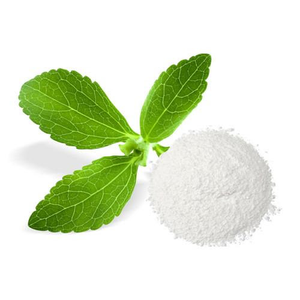
Concrete admixtures—chemical or mineral additives incorporated into concrete mixes to modify fresh or hardened properties—have evolved from simple workability aids to sophisticated performance enhancers. Among these, superplasticizers represent one of the most transformative innovations, enabling high-strength, self-consolidating, and eco-efficient concrete. This article offers a detailed technical comparison of key admixture types, with emphasis on water-reducing superplasticizers, and evaluates their roles in modern construction.
2. Understanding Admixture Types and Functions
Concrete admixture types are broadly categorized into chemical and mineral admixtures. Chemical admixtures include superplasticizers, accelerators, retarders, air-entraining agents, and waterproofing additives. Mineral admixtures—such as fly ash, silica fume, and slag—enhance long-term strength and durability through pozzolanic reactions.
The selection of an admixture used in concrete depends on factors like ambient temperature, required setting time, exposure conditions, and structural performance goals. For instance, a concrete accelerator may be essential in cold-weather concreting to reduce curing time, while a concrete retarder is preferred in hot climates or for large pours to prevent cold joints.
3. Superplasticizers: The Engine of High-Performance Concrete
3.1 Naphthalene-Based vs. Polycarboxylate Ether (PCE) Superplasticizers
Superplasticizer admixtures, also known as high-range water reducers, dramatically increase concrete fluidity without adding extra water. Two dominant chemistries dominate the market: naphthalene sulfonate formaldehyde condensate (NSF) and polycarboxylate ether (PCE).
Naphthalene-based superplasticizers have been widely used since the 1970s. They offer strong initial dispersion and cost-effectiveness but suffer from rapid slump loss and higher dosage requirements. In contrast, PCE-based superplasticizers provide superior slump retention, lower dosage (typically 0.1–0.3% by cement weight), and greater compatibility with supplementary cementitious materials.
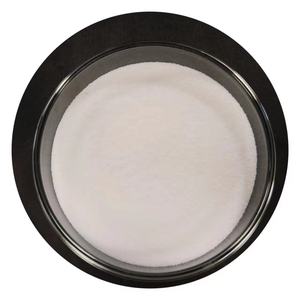
- Naphthalene superplasticizer: Higher chloride content risk, less eco-friendly synthesis, moderate water reduction (15–20%)
- Polycarboxylate ether superplasticizer: Near-zero slump loss, water reduction up to 40%, excellent for self-compacting concrete (SCC)
3.2 Performance and Sustainability Implications
PCE superplasticizers enable significant cement reduction—up to 20%—by improving particle packing efficiency, directly lowering CO₂ emissions. Their molecular design allows tailored side-chain lengths for specific applications, making them the best superplasticizer for concrete in green building projects. Meanwhile, naphthalene-based systems remain relevant in cost-sensitive markets but face phase-out pressures in regions like the EU due to environmental concerns.
4. Specialized Admixtures for Durability and Functionality
4.1 Air Entraining and Waterproofing Solutions
Air entraining concrete incorporates microscopic air bubbles via air entraining admixtures (e.g., vinsol resin or synthetic detergents), enhancing freeze-thaw resistance. These air entraining agents are critical in northern climates but must be dosed precisely to avoid strength loss.
For moisture protection, crystalline waterproofing admixtures react with cement hydration byproducts to form insoluble crystals that block capillary pores. Unlike surface-applied membranes, integral waterproofers like cement waterproofing additives provide permanent, self-healing protection—ideal for basements and water tanks.
4.2 Fiber Reinforcement and Accelerated Curing
Fiber reinforced concrete integrates reinforcement fiber for concrete—such as polypropylene fibres for concrete, steel fibers for concrete, or even coconut fiber reinforced concrete—to control cracking and improve impact resistance. Macro fibers enhance post-crack ductility, while microfibers reduce plastic shrinkage.
Fast curing concrete additives, including accelerating admixtures for concrete like calcium nitrate, shorten concrete accelerator curing time by boosting early hydration. These are indispensable in precast operations or emergency repairs.
5. Practical Selection Guidelines
Choosing the best admixture for concrete requires balancing performance, cost, and compatibility. For high-rise construction demanding flowable yet stable mixes, PCE-based superplasticizer in concrete is unmatched. In rural road projects with limited batching control, naphthalene-based water reducer may suffice. Similarly, concrete waterproof admix should be selected based on hydrostatic pressure exposure, while air entraining cement is non-negotiable in freeze-thaw zones.
Always verify compatibility between admixtures—e.g., some superplasticizers can interact negatively with certain concrete retarder admixtures. Manufacturer data sheets (often called bio data sheets in industry parlance) are essential for dosage calibration.
6. Conclusion
As the construction industry advances toward smarter, more resilient infrastructure, the role of concrete chemicals—from super plasticizers to crystalline waterproofing admixture—becomes increasingly pivotal. While traditional admixtures like naphthalene sulfonate retain niche utility, polycarboxylate ether superplasticizers represent the future: efficient, adaptable, and aligned with sustainability mandates. By understanding the nuanced differences among admixture types, engineers and contractors can optimize mix designs for performance, economy, and longevity.
Our Website founded on October 17, 2012, is a high-tech enterprise committed to the research and development, production, processing, sales and technical services of ceramic relative materials such as Superplasticizers. Our products includes but not limited to Boron Carbide Ceramic Products, Boron Nitride Ceramic Products, Silicon Carbide Ceramic Products, Silicon Nitride Ceramic Products, Zirconium Dioxide Ceramic Products, etc. If you are interested, please feel free to contact us.