Concrete-mesa | Concrete Admixtures, Tools, and Production Machines

7 Essential Types of Concrete Admixtures You Need to Know in 2024
1. Introduction
Just 48 hours ago, a major infrastructure project in Texas made headlines for using advanced polycarboxylate-based superplasticizers to pour ultra-high-performance concrete in record heat—proving how critical modern admixtures are in today’s construction challenges. As climate extremes and sustainability demands grow, understanding concrete admixtures isn’t just technical—it’s essential.
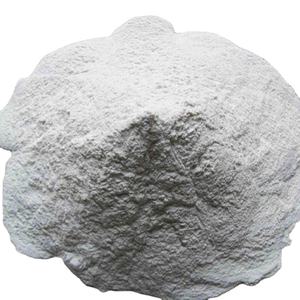
Whether you’re pouring a driveway, building a skyscraper, or crafting decorative stamped concrete, the right admixture can make or break your project. Let’s break down the seven most impactful types of concrete admixtures used today—and why choosing the best admixture for concrete matters more than ever.
2. Superplasticizers: The Power Behind Flowable Concrete
Superplasticizers (also called high-range water reducers) are game-changers in modern concrete. They drastically reduce water content while boosting workability—without sacrificing strength.
Two dominant chemistries dominate the market: naphthalene-based superplasticizers and polycarboxylate ether (PCE) superplasticizers.
- Naphthalene sulfonate formaldehyde (SNF) types offer strong slump retention but can cause faster slump loss and aren’t as eco-friendly.
- PCE-based superplasticizers deliver superior flow, lower dosage requirements, and better compatibility with cement blends—making them the go-to for high-performance and self-consolidating concrete.
When you see terms like ‘superplasticizer in concrete‘ or ‘polycarboxylate superplasticizer,’ they refer to these advanced concrete chemicals that enable thinner sections, complex shapes, and reduced curing time.
3. Accelerators vs. Retarders: Controlling Cure Time
Concrete accelerator and concrete retarder admixtures do opposite jobs—but both are vital for timing control.
Accelerating admixtures for concrete (like calcium nitrate or proprietary blends) shorten setting time and boost early strength—ideal for cold weather or fast-track repairs. They directly impact concrete accelerator curing time, allowing forms to be stripped sooner.
On the flip side, a concrete retarder admixture delays hydration, useful in hot climates or for long hauls. Surface retarder concrete products even allow decorative stamping by keeping the surface soft while the core sets.
Choosing between them depends on ambient conditions, logistics, and whether you need fast curing concrete additives or extended workability.
4. Air Entraining Admixtures: Frost Resistance Built In
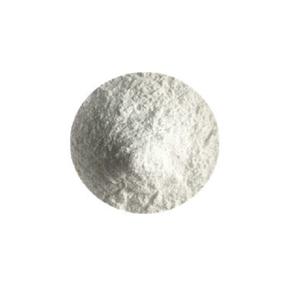
Air entraining concrete contains billions of microscopic air bubbles—introduced via air entraining admixture (AEA). These bubbles act as pressure relief valves during freeze-thaw cycles, preventing cracking.
Common air entraining agents include vinsol resin or synthetic surfactants. While they slightly reduce compressive strength, the trade-off for durability in cold regions is worth it.
Don’t confuse this with accidental air—it’s a deliberate, controlled process. Look for terms like ‘air entraining cement’ or ‘air entraining concrete’ when specifying mixes for bridges, roads, or sidewalks in northern climates.
5. Waterproofing Admixtures: From Integral to Crystalline
Waterproofing admixture options range from hydrophobic pore blockers to reactive crystalline systems.
Integral waterproofers (like stearates or silanes) repel water physically. In contrast, crystalline waterproofing admixture reacts with moisture and unhydrated cement to form insoluble crystals that block capillaries permanently.
Products labeled ‘concrete waterproof admix,’ ‘cement waterproofing additive,’ or ‘waterproof admix’ serve different purposes—crystalline types offer long-term protection even if the surface cracks.
For basements, tunnels, or water tanks, admixture waterproofing is often more reliable than surface coatings alone.
6. Fibers: Reinforcement Beyond Steel
Fiber reinforced concrete uses reinforcement fiber for concrete—polypropylene, steel, or even coconut fiber—to control cracking and improve toughness.
Macro fibers (like steel fibers for concrete) enhance structural capacity, while microfibers (e.g., polypropylene fibres for concrete) reduce plastic shrinkage cracks.
Popular in slabs, overlays, and shotcrete, fibers eliminate or reduce rebar needs. Brands like Hardie concrete siding and CertainTeed concrete siding use fiber cement composites for durable, wood-look exteriors.
Note: ‘Concrete fiber siding cost’ includes these additives, which improve impact resistance and longevity compared to traditional cement house siding.
7. Foaming Agents & Specialty Additives
Foam agent for lightweight concrete enables cellular lightweight concrete (CLC), used in blocks and insulation. Protein-based foaming agents create stable, fine-cell foam; synthetic types offer consistency.
Meanwhile, colored concrete relies on pigments and release agents—powder or spray—that prevent stamps from sticking while adding tint. Think ‘stamped concrete colors’ like charcoal, terra cotta, or grey—all enhanced by proper concrete release agent use.
Even white cement applications (like countertops or pavers) benefit from superplasticizer admixture to maintain fluidity without graying the mix.
8. Conclusion
From superplasticizer admixture to air entraining and waterproofing solutions, modern concrete admixtures transform ordinary mixes into high-performance, durable, and beautiful materials. Understanding admixture types—whether chemical or mineral—empowers smarter decisions on every job site.
As innovations like PCE superplasticizers and crystalline waterproofers become mainstream, the line between ‘concrete additives’ and essential engineering tools continues to blur. Choose wisely, and your concrete will thank you for decades.
Our Website founded on October 17, 2012, is a high-tech enterprise committed to the research and development, production, processing, sales and technical services of ceramic relative materials such as 7. Our products includes but not limited to Boron Carbide Ceramic Products, Boron Nitride Ceramic Products, Silicon Carbide Ceramic Products, Silicon Nitride Ceramic Products, Zirconium Dioxide Ceramic Products, etc. If you are interested, please feel free to contact us.