Concrete-mesa | Concrete Admixtures, Tools, and Production Machines

How to Choose and Use the Best Concrete Admixtures for Your Project
1. Introduction
Just 24 hours ago, a major construction firm in Texas reported significant delays due to unexpected concrete cracking caused by improper admixture selection during a high-temperature pour. This real-world example highlights how critical it is to understand and correctly apply concrete admixtures—chemical or mineral additives that enhance performance, durability, and workability. Whether you’re a DIYer or a pro, knowing how to choose and use the right admixture can save time, money, and headaches.
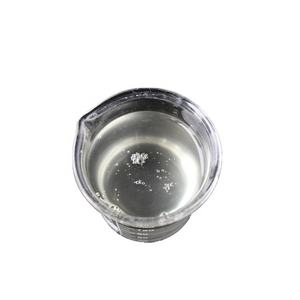
In this guide, we’ll walk you through the most common types of admixtures, how to select the best one for your needs, and step-by-step instructions for proper use. From superplasticizers to waterproofing agents and fiber reinforcement, we’ve got you covered.
2. Understand the Main Types of Concrete Admixtures
Admixtures fall into two broad categories: chemical and mineral. Chemical admixtures include superplasticizers, accelerators, retarders, air-entraining agents, and waterproofing additives. Mineral admixtures—like fly ash or silica fume—improve long-term strength and reduce permeability.
Here are the most widely used admixture types you’ll encounter:
- Water reducing admixtures (including mid-range and high-range water reducers like superplasticizer)
- Concrete accelerator and concrete retarder for controlling setting time
- Air entraining admixture to improve freeze-thaw resistance
- Integral waterproofer or crystalline waterproofing admixture for moisture protection
- Fiber reinforcement (polypropylene, steel, or coconut fiber) for crack control
- Foaming agents for lightweight or cellular concrete (e.g., CLC foaming agent)
3. Step-by-Step: How to Select the Right Admixture
Choosing the best admixture for concrete starts with identifying your primary challenge. Ask yourself: Is the mix too stiff? Does it set too fast? Is water seepage a concern?
For improved flow without adding water, use a superplasticizer in concrete—especially polycarboxylate ether (PCE)-based superplasticizer, which offers high-range water reduction and excellent slump retention. These are often labeled as ‘super plasticizers’ or ‘concrete water reducer’ products.
If you’re pouring in cold weather, an accelerating admixtures for concrete will shorten curing time. Conversely, in hot climates, a concrete retarder admixture or surface retarder concrete helps prevent premature setting.
For basements, foundations, or wet areas, opt for a waterproofing admixture for concrete—such as a cement waterproofing additive or crystalline waterproofing admixture—which reacts with moisture to seal pores from within.
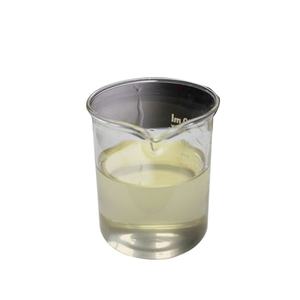
4. How to Properly Mix and Apply Admixtures
Always follow the manufacturer’s dosage guidelines. Overuse of a plasticizer admixture or superplasticizer admixture can cause segregation or excessive bleeding.
Step 1: Add water to the mixer first.
Step 2: Introduce cement and aggregates.
Step 3: Add the admixture chemical last—typically diluted in a small amount of mix water. For liquid superplasticizers, pre-dilution ensures even distribution.
Step 4: Mix for at least 2–3 minutes after adding the admixture to achieve homogeneity.
Never add extra water after introducing a water reducer—this defeats the purpose and weakens the final product.
5. Solving Common Problems with Targeted Admixtures
Problem: Concrete is cracking during curing. Solution: Add polypropylene fibres for concrete or macro fibers. These act as reinforcement fiber for concrete, reducing plastic shrinkage cracks.
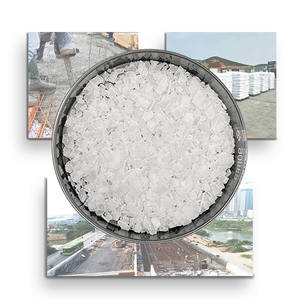
Problem: Surface scaling in freeze-thaw zones. Solution: Use an air entraining agent. Air entraining concrete contains tiny air bubbles that relieve internal pressure during freezing.
Problem: Need fast turnaround on a repair job. Solution: Use fast curing concrete additives like a concrete accelerator to cut curing time by up to 50%.
Problem: Want colored stamped concrete without efflorescence. Solution: Pair white cement with a tinted concrete powder and use a water-based release agent to prevent staining.
6. Special Considerations for Modern Applications
For exterior cladding, many builders now choose concrete siding that looks like wood—products like Hardie concrete siding or Certainteed concrete siding. These often contain fiberfor concrete (e.g., cellulose or polypropylene) for impact resistance and reduced weight.
When making foam concrete or aircrete, select a protein based foaming agent or synthetic foaming agent for concrete depending on desired density and stability. Always test small batches first.
And if you’re working with decorative finishes, don’t forget concrete release agent (powder or spray) to prevent stamps from sticking—options like Brickform liquid release are industry favorites.
7. Conclusion
Selecting and using the right admixture used in concrete isn’t just about following a recipe—it’s about understanding your environment, timeline, and structural needs. Whether you need a superplasticizer to boost workability, an air entraining cement for durability, or a concrete waterproof admix for basement walls, the right additive makes all the difference. Always read technical data sheets, start with small test batches, and consult suppliers like Chryso admixture specialists when in doubt. With the right approach, your concrete won’t just hold up—it’ll perform.
Our Website founded on October 17, 2012, is a high-tech enterprise committed to the research and development, production, processing, sales and technical services of ceramic relative materials such as How. Our products includes but not limited to Boron Carbide Ceramic Products, Boron Nitride Ceramic Products, Silicon Carbide Ceramic Products, Silicon Nitride Ceramic Products, Zirconium Dioxide Ceramic Products, etc. If you are interested, please feel free to contact us.