Concrete4U | Concrete Admixtures, Tools, and Production Machines

What Are Admixtures and How Do They Transform Modern Concrete?
1. Introduction
Just 24 hours ago, global construction giant LafargeHolcim announced a new partnership with Chryso to scale up eco-friendly concrete admixtures across North America—highlighting how critical these additives have become in modern building practices. As sustainability and performance demands rise, admixtures are no longer optional extras; they’re essential tools shaping the future of concrete.
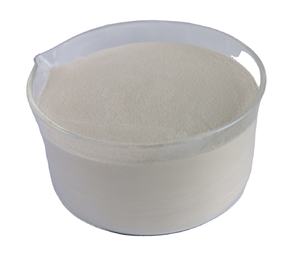
Whether you’re pouring a driveway, constructing a skyscraper, or waterproofing a basement, the right admixture can dramatically improve strength, workability, durability, and curing time. But with so many options—from superplasticizers to fiber reinforcement—it’s easy to feel overwhelmed. Let’s break it all down.
2. What Are Admixtures?
Admixtures (sometimes spelled ‘ad mixtures’) are ingredients added to concrete before or during mixing to modify its properties. These concrete additives go beyond basic cement, water, sand, and aggregate to deliver tailored performance for specific applications.
They fall into two broad categories: chemical admixtures and mineral admixtures. Chemical versions include liquids or powders like superplasticizers or accelerators, while mineral types often involve supplementary cementitious materials like fly ash or silica fume.
3. Major Types of Concrete Admixture
3.1 Water-Reducing Admixtures
Water reducing admixtures lower the water content needed for a given slump (workability), boosting strength without sacrificing pourability. The most powerful among them are high-range water reducers—better known as superplasticizers.
Superplasticizer in concrete can reduce water by 15–40%, enabling high-strength, self-consolidating mixes. Common types include polycarboxylate ether (PCE)-based superplasticizers, naphthalene sulfonate, and melamine-based variants. PCE superplasticizers are now the industry favorite due to their efficiency and compatibility with modern cements.
- Superplasticizer admixture improves flow without segregation
- Concrete water reducer enhances compressive strength
- Best superplasticizer for concrete depends on mix design and ambient conditions
3.2 Accelerating and Retarding Admixtures
Concrete accelerator admixtures speed up early strength development—ideal for cold weather or fast-track projects. They shorten concrete accelerator curing time significantly, allowing forms to be stripped sooner.
On the flip side, concrete retarder admixtures delay setting, useful in hot climates or for long hauls. Surface retarder concrete is even used decoratively to expose aggregates in stamped finishes.
3.3 Air-Entraining Admixtures
Air entraining concrete contains microscopic air bubbles that improve freeze-thaw resistance. An air entraining admixture (or air entraining agent) introduces these bubbles during mixing.
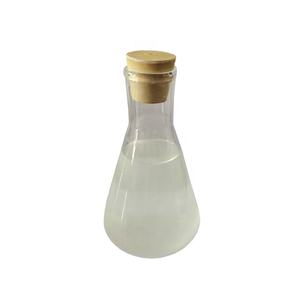
This is crucial in regions with harsh winters. Air entraining cement isn’t a different cement—it’s standard cement mixed with an air-entraining chemical admixture for concrete.
3.4 Waterproofing Admixtures
From basements to bridges, keeping water out matters. Waterproofing admixture for concrete includes integral waterproofers that react within the matrix to block capillaries.
Crystalline waterproofing admixture is especially effective—it grows crystals inside pores when exposed to moisture, creating a permanent barrier. Other options include cement waterproofing additive or concrete waterproof admix formulas.
- Admixture waterproofing vs. surface coatings: one treats from within
- Concrete waterproofing additive works best when added at batching
4. Specialty Additives and Reinforcements
4.1 Fiber Reinforcement
Fibers for concrete—like polypropylene fibres for concrete, steel fibers for concrete, or even coconut fiber reinforced concrete—add tensile strength and crack control.
Fiber reinforced concrete is now standard in industrial floors, shotcrete, and precast elements. Macro fibers and microfibers serve different roles: macro for structural reinforcement, micro for plastic-shrinkage control.
Popular products include Fibermesh concrete and branded solutions like Hardie concrete siding or CertainTeed concrete siding—both use fiber cement technology for durable, wood-look exteriors.
4.2 Foaming Agents
For lightweight applications like CLC (Cellular Lightweight Concrete) blocks, a concrete foaming agent creates stable air voids. Protein-based foaming agents and synthetic types are common.
Foam agent for lightweight concrete must produce uniform, stable bubbles. CLC foaming agent price varies, but performance hinges on compatibility with your mix and foaming equipment.
4.3 Color and Release Agents
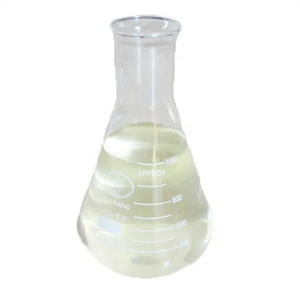
Colored concrete and stamped concrete colors rely on pigments and release agents. Powder concrete colorants and spray release agents prevent stamps from sticking while adding accent hues.
From charcoal stamped concrete to terra cotta concrete color, the palette is vast. Always pair with a quality concrete form release agent—water-based or oil-based—to protect molds and enhance finish.
5. Choosing the Best Admixture for Concrete
The best admixture for concrete depends on your project goals: faster curing? Use accelerating admixtures for concrete. Need flow? Go with a superplasticizer. Worried about cracks? Add polypropylene fibre or steel fiber reinforced concrete.
Brands like Chryso admixture offer engineered solutions, but even home improvement stores like Home Depot carry basic concrete additives for mortar and small pours.
Always check compatibility with your cement type—especially when using white cement, which behaves differently than gray Portland cement. White concrete for countertops, for example, often requires specialized superplasticizer and release agents to maintain brightness.
6. Conclusion
Admixtures have revolutionized concrete from a simple structural material into a high-performance, customizable medium. Whether you’re selecting a concrete retarder for a summer pour, a crystalline waterproofing admixture for a foundation, or fibers for crack-resistant siding, understanding admixture types empowers better builds.
As green construction grows, expect more innovation in bio-based plasticizers, recycled mineral admixtures, and smart-release technologies. One thing’s clear: in today’s concrete world, it’s not just what you pour—it’s what you add.
Our Website founded on October 17, 2012, is a high-tech enterprise committed to the research and development, production, processing, sales and technical services of ceramic relative materials such as What. Our products includes but not limited to Boron Carbide Ceramic Products, Boron Nitride Ceramic Products, Silicon Carbide Ceramic Products, Silicon Nitride Ceramic Products, Zirconium Dioxide Ceramic Products, etc. If you are interested, please feel free to contact us.