Concrete-mesa | Concrete Admixtures, Tools, and Production Machines

How to Choose and Use the Best Concrete Admixtures for Your Project
1. Introduction
Ever poured concrete only to find it too stiff, too slow to set, or prone to cracking? The secret weapon pros use isn’t better cement—it’s admixtures. These concrete additives fine-tune performance without changing your base mix. From superplasticizer in concrete to air entraining admixture and fiber reinforcement, the right admixture can transform your pour from mediocre to masterful.
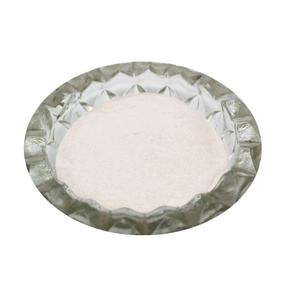
In this guide, we’ll show you how to pick and apply the best admixture for concrete based on your project’s needs—whether it’s faster curing, better flow, freeze-thaw resistance, or waterproofing. No fluff, just actionable steps.
2. Understand the Main Types of Concrete Admixtures
Not all admixtures are created equal. They fall into two broad categories: chemical and mineral. Chemical admixtures (like superplasticizers, accelerators, and retarders) alter setting time or workability. Mineral admixtures (like fly ash or silica fume) improve long-term strength and durability.
Common admixture types include:
- Water reducing admixtures (e.g., superplasticizer, plasticizer for concrete)
- Accelerating admixtures for concrete (e.g., concrete accelerator)
- Concrete retarder admixture (e.g., surface retarder concrete)
- Air entraining concrete additives (e.g., air entraining agent)
- Waterproofing admixture (e.g., crystalline waterproofing admixture, integral waterproofer)
- Fiber reinforcement (e.g., polypropylene fibres for concrete, steel fibers for concrete)
3. Step-by-Step: Choosing the Right Admixture for Your Problem
3.1 Need Better Workability Without Adding Water?
Use a superplasticizer admixture. Superplasticizers (also called high-range water reducers) dramatically increase flow while cutting water content by 15–30%. This boosts strength and reduces cracking.
Look for polycarboxylate ether (PCE)-based superplasticizers—they’re the most efficient modern option. Avoid older naphthalene or melamine types unless cost is critical.
Dosage tip: Typically 0.5–2% by weight of cement. Always follow manufacturer specs—overdosing can cause segregation.
3.2 Pouring in Cold Weather or Need Fast Curing?
Add a concrete accelerator. These reduce initial setting time and help achieve early strength—ideal for winter pours or fast-track projects.
Calcium chloride is common but avoid it in reinforced concrete (it corrodes steel). Non-chloride options like Chryso admixture or proprietary blends are safer.
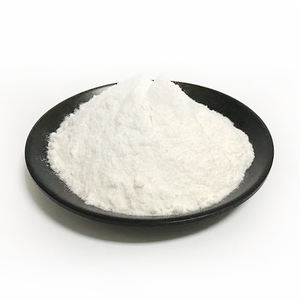
Note: Concrete accelerator curing time varies by product—some cut setting time by 50%.
3.3 Working in Hot Weather or Need Delayed Setting?
Use a concrete retarder admixture. Retarders slow hydration, giving you extra time to place and finish concrete in high temps or large pours.
Admixture retarder types include sugars, lignosulfonates, or synthetic polymers. Dosage is critical—too much can prevent hardening entirely.
3.4 Worried About Freeze-Thaw Damage?
Incorporate an air entraining admixture. These create microscopic air bubbles that act as pressure relief valves when water freezes inside the concrete.
Air entraining concrete typically targets 4–7% air content. Use an air meter to verify. Don’t confuse this with foaming agents for foam concrete—they serve different purposes.
3.5 Need Waterproof Concrete?
Choose a waterproofing admixture. Options include:
- Integral waterproofer (hydrophobic chemicals that repel water)
- Crystalline waterproofing admixture (reacts with moisture to form water-blocking crystals)
- Cement waterproofing additive (often used in basements or tanks)
For above-grade applications like walls, consider concrete waterproof admix that won’t affect finishability.
3.6 Preventing Cracks and Boosting Toughness?
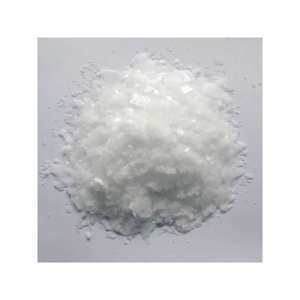
Add fibers. Fibers for concrete come in many forms:
- Polypropylene fibre (microfibers for plastic-shrinkage crack control)
- Steel fibers for concrete (macro fibers for structural toughness)
- Coconut fiber reinforced concrete (eco-friendly but less common)
Fiber reinforced concrete improves impact resistance and reduces crack width. Mix thoroughly—use fibermesh concrete methods if adding macro fibers.
4. Mixing and Application Best Practices
Always add admixtures during batching—not after. For liquid types (like superplasticizer or release agents), dilute in mix water first. For powders (like colored concrete powder or some retarders), blend with dry cement.
Never guess dosages. Overuse of plasticizer admixture can cause bleeding; too much air entraining agent weakens concrete.
Test small batches first. A trial mix reveals compatibility issues—especially when combining multiple concrete chemicals (e.g., superplasticizer + accelerator).
5. Common Mistakes to Avoid
- Using expired or improperly stored admixtures (store in cool, dry places)
- Mixing incompatible products (e.g., some retarders neutralize accelerators)
- Ignoring ambient conditions (temperature and humidity affect admixture performance)
- Skipping manufacturer instructions—each brand (like Certainteed, Hardie, or Chryso) has unique guidelines
6. Conclusion
The right admixture used correctly turns ordinary concrete into high-performance material. Whether you need a water reducer for strength, an air entraining agent for durability, or a waterproof admix for basements, understanding admixture types and their functions is key. Start small, test your mix, and always prioritize quality over convenience. With these steps, your next concrete project will be smoother, stronger, and longer-lasting.
Our Website founded on October 17, 2012, is a high-tech enterprise committed to the research and development, production, processing, sales and technical services of ceramic relative materials such as How. Our products includes but not limited to Boron Carbide Ceramic Products, Boron Nitride Ceramic Products, Silicon Carbide Ceramic Products, Silicon Nitride Ceramic Products, Zirconium Dioxide Ceramic Products, etc. If you are interested, please feel free to contact us.