Concrete4U | Concrete Admixtures, Tools, and Production Machines

Stop Guessing—Master the Best Concrete Admixtures for Every Job
1. Introduction
Just 24 hours ago, the global concrete industry got a jolt: major suppliers like Chryso and Sika announced accelerated R&D into bio-based superplasticizers to meet new EU sustainability mandates. Translation? The era of slapping any old ‘concrete additive’ into your mix is over. Today’s builders need precision, performance—and yes, a little humor—to navigate the wild world of admixtures.
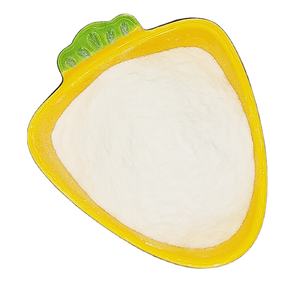
Whether you’re pouring a patio that doubles as a dance floor or reinforcing a high-rise with steel fibers, the right admixture can mean the difference between cracking under pressure and standing tall for decades. So let’s crack open (pun intended) the toolbox of modern concrete chemistry.
2. Superplasticizers Showdown: Polycarboxylate vs. Naphthalene
If concrete were a cocktail, superplasticizers would be the premium mixer that makes everything flow smoother without watering it down. But not all superplasticizers are created equal.
Polycarboxylate ether (PCE)-based superplasticizers are the sleek Teslas of the admixture world: high-range water reducers that deliver exceptional slump retention, minimal dosage (often just 0.1–0.3% by cement weight), and compatibility with modern cements. They’re ideal for self-consolidating concrete and precast applications where precision matters.
Naphthalene sulfonate formaldehyde (SNF) superplasticizers? Think rugged pickup trucks. They’ve been around since the 1960s, cost less, and still work well for general-purpose pours. But they degrade faster in hot weather, require higher dosages, and can’t match PCE’s slump control.
- Polycarboxylate superplasticizer: better for high-performance, low-water mixes
- Naphthalene-based: budget-friendly but less efficient and eco-friendly
Pro tip: If your project specs say ‘best superplasticizer for concrete,’ and budget allows, go PCE. Your future self (and the environment) will thank you.
3. Waterproofing Warriors: Crystalline vs. Integral Solutions
Water and concrete are frenemies. You need water to mix it, but too much invites decay. Enter waterproofing admixtures—the unsung heroes keeping basements dry and bridges intact.
Crystalline waterproofing admixtures react with moisture and unhydrated cement particles to grow insoluble crystals inside capillaries, effectively self-sealing microcracks. Brands like Xypex dominate here, especially in below-grade structures.
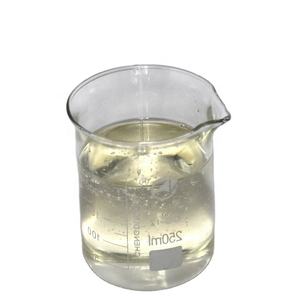
Integral waterproofers (sometimes called concrete waterproof admix or cement waterproofing additives) work differently—they create a hydrophobic barrier throughout the matrix. These are great for above-ground applications like tanks or facades.
Both beat surface coatings that peel or wear off. And no, dumping extra cement isn’t a substitute—real waterproof admix saves long-term repair costs.
4. Air Entraining, Accelerating, and Retarding: The Time & Climate Trio
Concrete doesn’t cure—it hydrates. And like a finicky sourdough starter, it needs the right conditions. That’s where air entraining admixtures, concrete accelerators, and concrete retarders come in.
Air entraining concrete contains microscopic bubbles (thanks to air entraining agents like vinsol resin) that act as pressure relief valves during freeze-thaw cycles. Essential in cold climates—skip it, and your driveway becomes a pothole playground by spring.
Concrete accelerator curing time? Slashed. Calcium nitrate or proprietary blends (like those from Chryso) speed up early strength gain—perfect for fast-track projects or winter pours. But beware: overuse can cause flash setting or corrosion in rebar.
On the flip side, concrete retarder admixtures (e.g., sugar-based or lignosulfonates) delay setting in hot weather or for complex placements. Surface retarder concrete even lets you expose aggregate for decorative finishes.
5. Fiber Reinforcement: From Polypropylene to Coconut
Forget steel rebar for a sec. Fibers are having a moment. Fiber reinforced concrete isn’t just stronger—it’s more crack-resistant, impact-tolerant, and sometimes even greener.
Polypropylene fibres for concrete (PP fiber concrete) are cheap, non-corrosive, and great for controlling plastic shrinkage cracks. Steel fibers for concrete? Heavy-duty—ideal for industrial floors or blast-resistant structures.
Now, the curveball: coconut fiber reinforced concrete. Yes, really. Researchers in India and the Philippines are testing agricultural waste fibers for low-cost housing. It’s not mainstream yet, but it shows how innovation is blooming—even in concrete.
And while we’re at it—no, concrete fiber siding (like Hardie or CertainTeed products) isn’t made with these internal fibers. That’s a different beast entirely, though equally fascinating for home exteriors.
6. Bonus Round: Foaming Agents, White Cement & Release Agents
Need lightweight blocks? CLC foaming agents (protein-based or synthetic) whip air into slurry to make foam concrete. Protein-based foaming agents give finer, more stable bubbles—but cost more.
Craving a pristine white finish? White Portland cement isn’t just pretty—it’s essential for colored concrete, countertops, and architectural elements. Pair it with tinted concrete powders for custom stamped concrete colors.
And don’t forget release agents! Whether powder or spray, a good concrete form release agent prevents sticking without marring patterns. Water-based? Eco-friendly. Oil-based? Classic reliability.
7. Conclusion
Choosing the best admixture for concrete isn’t about grabbing the shiniest bottle off the shelf. It’s about matching chemistry to climate, design intent, and durability needs. From superplasticizer admixtures that defy physics to crystalline waterproofing that heals itself, today’s concrete chemicals are smarter than ever.
So next time someone says ‘just add water,’ wink and whisper: ‘I add science.’
Our Website founded on October 17, 2012, is a high-tech enterprise committed to the research and development, production, processing, sales and technical services of ceramic relative materials such as Stop. Our products includes but not limited to Boron Carbide Ceramic Products, Boron Nitride Ceramic Products, Silicon Carbide Ceramic Products, Silicon Nitride Ceramic Products, Zirconium Dioxide Ceramic Products, etc. If you are interested, please feel free to contact us.