Concrete4U | Concrete Admixtures, Tools, and Production Machines

How to Choose a Concrete Foaming Agent: A 5-Step Practical Guide
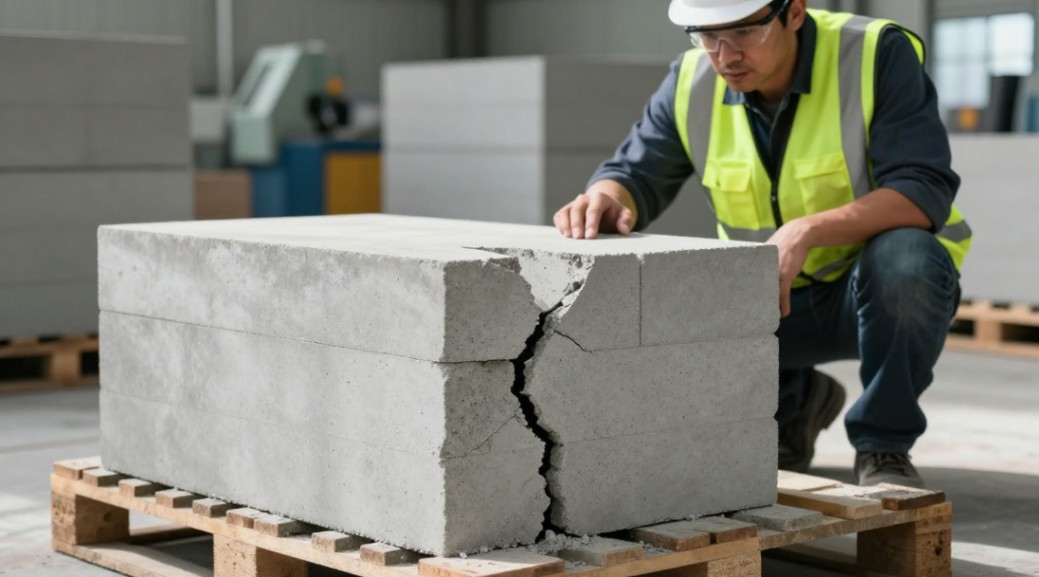
I remember the frustration on my client’s face. He had a simple goal: produce consistent, lightweight concrete blocks for an affordable housing project. But his foam kept collapsing, leaving him with weak, crumbling material and a pile of wasted cement. His supplier kept pushing the cheapest option, insisting it was “just as good.” It wasn’t. We solved his problem not with magic, but with a systematic selection process. If you’re tired of trial-by-error and want reliable, predictable results, let’s walk through that exact process together.
The Foundation: Understanding Your Agent
First, forget the marketing. You need to understand the two primary families of foaming agents. Protein-based agents are derived from natural materials like hydrolyzed animal proteins. They create a tough, stable bubble structure. Imagine a strong, flexible soap film. This stability translates to higher strength and lower water absorption in your final concrete. Synthetic agents, typically based on surfactants, generate foam faster and can be cheaper upfront. Their bubbles are less resilient. Your choice here sets the entire performance trajectory. Protein foams often win for load-bearing or exposed applications where durability is non-negotiable. Synthetic foams can be suitable for non-structural fill or low-strength requirements. Know the family before you go shopping.
The Five-Step Selection Blueprint
Step 1: Define Your Target Concrete
What are you making? A 600 kg/m3 insulating fill? Or a 1200 kg/m3 load-bearing block? The target dry density is your master key. Higher density demands stronger, more stable foam. Write down your required compressive strength. Now, look at the agent’s technical data sheet (TDS). Reputable manufacturers will provide a density-versus-strength chart. Cross-reference your target density with the agent’s proven performance. If the TDS lacks this data, move on. This step removes guesswork.
Step 2: Audit Your Project Environment
Your local water and climate are silent partners in this process. Hard water, rich in calcium and magnesium ions, can destabilize certain synthetic agents. The foam collapses prematurely. Ask for the agent’s hard water resistance data. Temperature matters too. Cold weather slows the chemical reactions in protein foams, potentially requiring dosage adjustments. Hot weather can accelerate foam breakdown. Your site conditions are not generic; your agent choice shouldn’t be either.
Step 3: Match Agent to Machine
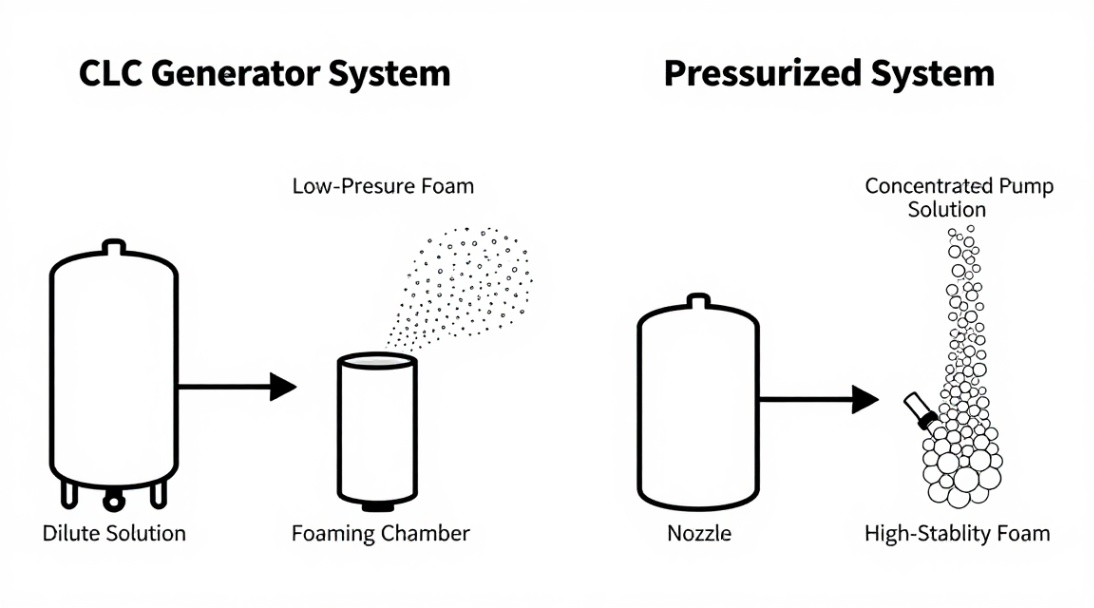
This is a critical, often overlooked, compatibility check. Your foaming equipment dictates the agent’s physical requirements. CLC (Cellular Lightweight Concrete) generator systems typically use a more dilute solution and require an agent that froths easily at low pressure. Pressurized foam generator systems, common in precast plants, force a concentrated solution through a nozzle. They need an agent with high expansion ratio and exceptional stability under pressure. Using the wrong type leads to poor foam quality and equipment clogging. Know your machine’s manual. Talk to your equipment supplier.
Step 4: Validate with a Trial Batch
Never skip this. Order a small sample. Produce a test batch using your actual materials-your cement, your fly ash, your local water. Measure everything precisely: agent dilution ratio, water-to-cement ratio, mixing time. Cast test cubes. Let them cure. Then, test them. Check the wet density immediately. Check the dry density and compressive strength after 7 and 28 days. Does it meet your targets from Step 1? This small-scale test is your insurance policy against costly, full-scale failure. It reveals interactions no data sheet can predict.
Step 5: Evaluate Beyond the Price Tag
The cheapest drum is often the most expensive. Calculate cost per cubic meter of finished concrete, not cost per liter of concentrate. A slightly more expensive protein agent might achieve the same strength at a lower density, saving on overall cement cost. Check for relevant certifications-does it comply with ASTM C869 or EN 934-10? Investigate the supplier’s technical support and supply chain reliability. Can they provide consistent quality, batch after batch? A trustworthy partner is part of the product’s value.
Your Final Selection Checklist
Before you finalize, run through this list. It consolidates everything into actionable points.
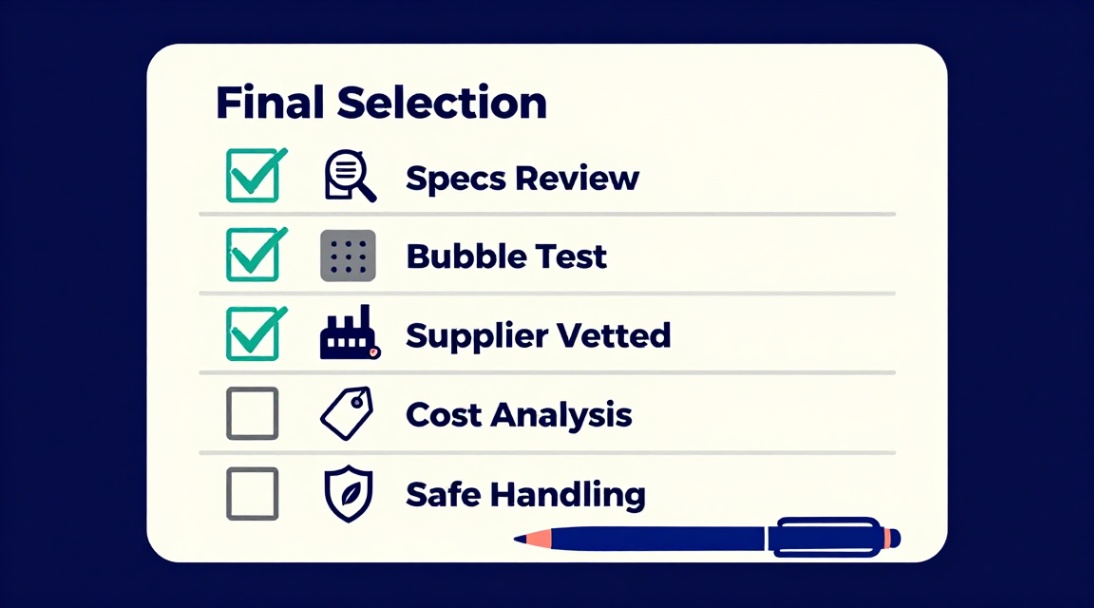
- Project Specs Locked In: Target density and strength are defined and documented.
- Technical Data Sheet Scrutinized: Density/strength charts and hard water resistance data are present and acceptable.
- Equipment Compatibility Confirmed: Agent type (for CLC or pressurized generators) matches your machinery.
- Sample Test Results Pass: Trial batch meets all key physical and strength requirements.
- Total Cost of Ownership Calculated: Evaluated cost per m³ of concrete, including potential material savings.
- Supplier Vetted: Verified certifications, consistent quality control, and reliable technical support.
Choosing a concrete foaming agent is a technical decision, not a commodity purchase. It demands a methodical, project-specific approach. By following these five steps-defining your target, auditing your environment, matching your machine, testing rigorously, and evaluating holistically-you move from hopeful experimentation to confident engineering. You stop being a passive consumer and become the expert in charge of your project’s quality. Start with Step 1 today. Write down your density target. That simple act puts you on the path to consistent, high-performing foam concrete.
Supplier
We are the global leader in lightweight concrete and advanced engineered foam solutions. Known globally for its commitment to research, innovation, and applied expertise, we have been providing engineered foam solutions since the early 2012’s.
We can supply high-quality concrete admixture and foam concrete related products all over the world.
The company has a professional technical department and quality supervision department, a well-equipped laboratory, and equipped with advanced testing equipment and after-sales customer service center.
If you are interested, please feel free and contact us.