Concrete-mesa | Concrete Admixtures, Tools, and Production Machines

Potassium Silicate Solution: The Superior Binder for Durable Mineral Paints
What is potassium silicate solution for mineral paints?
A potassium silicate solution is the reactive liquid binder that chemically bonds mineral based paints to masonry substrates. It’s the key ingredient that transforms powdered silicates and pigments into a permanent, rock-like coating. Think of it as “liquid stone” that cures to form an integral part of the wall itself. This process, known as silicification, is what sets true mineral paints apart from all others.
How does this solution differ from conventional paint binders?
Organic binders like acrylic or vinyl form a plastic film on the surface. A potassium silicate solution creates a chemical bond. It reacts with atmospheric carbon dioxide and calcium in the substrate, forming a crystalline silicate matrix. This inorganic bond is inherently fireproof, UV-stable, and will not degrade from sunlight. Your paint won’t peel or blister because it becomes part of the wall. Many restoration specialists on professional forums point out how paints made with this solution survive for decades on historic facades where modern paints have repeatedly failed.
What are the core advantages of using potassium silicate paints?
The benefits stem directly from the inorganic chemistry of the <strong>potassium silicate solution. Let’s break down the key advantages you get.
Superior Durability and Protection
These paints offer unparalleled longevity. The mineral bond resists chalking, fading, and erosion far better than organic films. More importantly, they are highly vapor permeable (breathable). This allows moisture trapped within the wall to escape as vapor. Trapped moisture is the primary cause of spalling, freeze-thaw damage, and mold growth. By letting walls breathe, mineral paints protect the structure. Community feedback often highlights a significant reduction in algae and mold growth on exterior walls after switching.
Environmental and Health Profile
Paints based on potassium silicate solution contain zero volatile organic compounds (VOCs). They are odorless during application and non-toxic when cured. This makes them ideal for hospitals, schools, and sensitive environments. The raw materials are abundant minerals, contributing to a sustainable product lifecycle.
Where and how should I use potassium silicate mineral paints?
These paints excel on mineral, alkaline substrates. Perfect application requires understanding both the surface and the material.
Ideal Substrates and Surface Prep
Your substrate must be sound, clean, and absorbent. Ideal surfaces include:
- New and old concrete
- Lime and cement plasters
- Brick, masonry, and natural stone
- Properly prepared mineral fiber cement boards
Preparation is non-negotiable. Remove all loose material, dirt, oils, and existing organic paints or sealers. These create a barrier that prevents the critical chemical reaction. The surface must be uniformly dampened before application to control the suction rate and prevent premature drying of the potassium silicate solution.
Critical Application Techniques
Mixing and application have specific rules. Always add the dry powder to the liquid potassium silicate solution, never the reverse. Mix thoroughly to a lump-free consistency. Apply with a stiff brush or roller in a cross-hatch pattern to work the paint into the substrate. Work in manageable sections. Avoid applying in direct, hot sun or strong wind, as rapid drying can hinder proper silicification. The paint will feel dry to the touch quickly, but the full chemical cure takes several weeks.
How do these paints compare to acrylic or silicate dispersion paints?
This is a common point of confusion. Let’s be clear.
Potassium silicate paints (also called pure silicate or sol-silicate paints) undergo a true chemical reaction (silicification). Silicate dispersion paints (or silicate emulsion paints) blend a small amount of silicate with organic binders like acrylic. They form a hybrid film. The dispersion paints offer easier application and better adhesion to slightly problematic surfaces, but they sacrifice the full breathability, longevity, and fire resistance of the pure system. For maximum performance and historic authenticity, the pure potassium silicate solution is the definitive choice.
How do I maintain and clean a mineral paint finish?
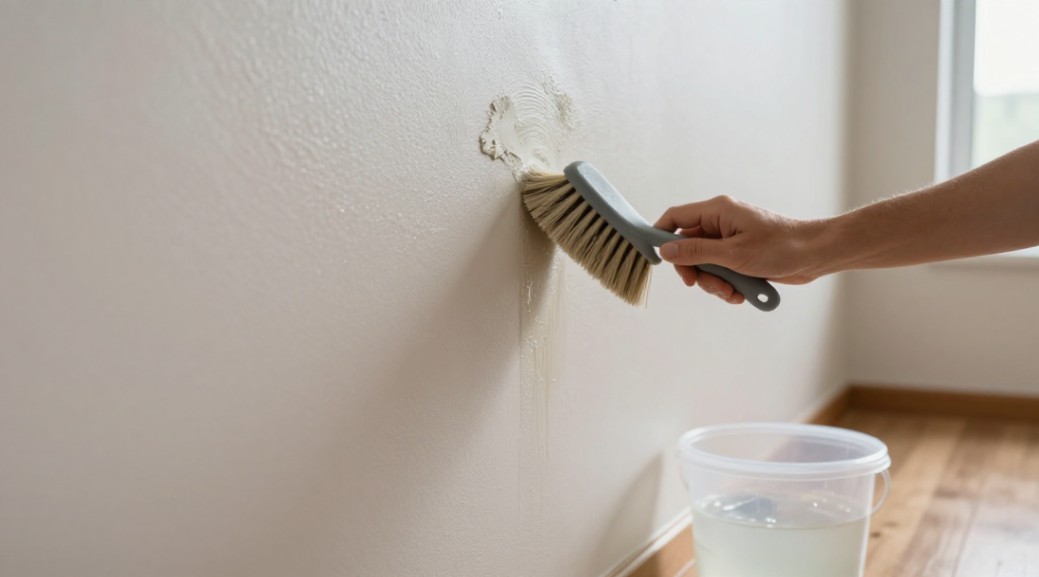
Maintenance is straightforward due to the paint’s inorganic nature. For routine cleaning, use low-pressure water. For stubborn dirt or biological growth, a soft brush with a mild detergent solution is effective. Avoid high-pressure washing, which can damage the substrate, and harsh acidic or alkaline cleaners, which can attack the silicate bond. The high alkalinity of the fresh coat naturally inhibits mold, but if growth occurs over many years, it’s typically only on surface dirt and cleans off easily.
Ready to experience the definitive mineral paint performance?
If you demand a coating that protects the building structure, lasts for generations, and is completely environmentally inert, your search ends with paint based on a genuine potassium silicate solution. Don’t compromise with hybrids or imitations. For your next project on masonry, concrete, or plaster, specify a true potassium silicate mineral paint. Contact a specialist supplier today to get the correct materials and detailed technical data sheets for your specific substrate. Make the permanent choice.
Supplier
We are the global leader in lightweight concrete and advanced engineered foam solutions. Known globally for its commitment to research, innovation, and applied expertise, we have been providing engineered foam solutions since the early 2012’s.
We can supply high-quality concrete admixture and foam concrete related products all over the world.
The company has a professional technical department and quality supervision department, a well-equipped laboratory, and equipped with advanced testing equipment and after-sales customer service center.
If you are interested, please feel free and contact us.