Concrete4U | Concrete Admixtures, Tools, and Production Machines

10 Essential Things You Need to Know About Admixtures in Modern Concrete Construction
1. Introduction
Just 24 hours ago, a major infrastructure project in Texas announced the use of advanced polycarboxylate ether (PCE)-based superplasticizers to achieve ultra-high-strength concrete with reduced water content—highlighting how modern admixtures are revolutionizing sustainable construction. As builders seek stronger, faster-curing, and more durable materials, admixtures have become indispensable in concrete technology.
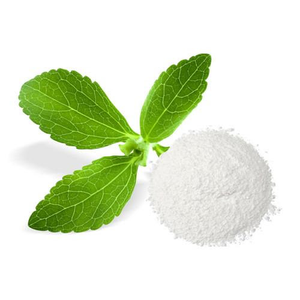
Admixtures—often referred to as concrete additives or concrete chemicals—are ingredients added to concrete mixes (besides cement, water, and aggregates) to modify its properties during mixing, placing, or curing. Whether you’re pouring a driveway, constructing a skyscraper, or installing fiber cement siding, understanding admixture types can dramatically improve your results.
2. What Are Admixtures and Why Do They Matter?
Admixtures are categorized into chemical and mineral types. Chemical admixtures include liquid or powder additives like superplasticizers, accelerators, and retarders, while mineral admixtures—such as fly ash or silica fume—are finely ground materials that enhance long-term strength and durability.
The best admixture for concrete depends on your specific needs: workability, setting time, strength, weather resistance, or even appearance. With hundreds of options available—from Chryso admixture products to DIY solutions—choosing the right one is key.
3. Common Types of Concrete Admixtures
Water reducing admixtures are among the most widely used. These include mid-range and high-range water reducers (like superplasticizers), which allow for lower water-cement ratios without sacrificing flow. A concrete water reducer improves strength and reduces permeability.
Superplasticizers—also called super plasticizers or high-range water reducers—are essential for self-consolidating and high-performance concrete. Polycarboxylate ether (PCE) superplasticizers are now preferred over older naphthalene or melamine-based versions due to their superior slump retention and eco-friendliness.
Concrete accelerator admixtures shorten curing time, ideal for cold-weather pours or fast-track projects. Conversely, a concrete retarder (or admixture retarder) delays setting—useful in hot climates or for complex placements. Surface retarder concrete is even used in decorative stamped concrete to expose aggregates.
Air entraining admixtures introduce microscopic air bubbles into the mix, improving freeze-thaw resistance. This air entraining agent is critical in northern climates. Look for terms like air entraining concrete or air entraining cement when sourcing these products.
4. Waterproofing and Specialty Additives
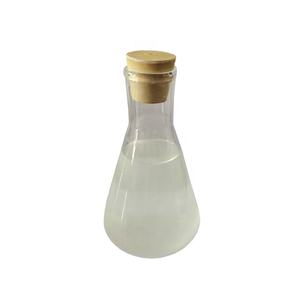
Waterproofing admixtures protect structures from moisture damage. Options include integral waterproofer, crystalline waterproofing admixture, and cement waterproofing additive. These create a barrier within the concrete matrix itself—unlike surface sealers.
A concrete waterproof admix or waterproof admix integrates seamlessly during batching. For basements, tunnels, or water tanks, a high-quality waterproofing admixture for concrete is non-negotiable.
5. Fiber Reinforcement in Concrete
Fibers for concrete—such as polypropylene fibres, steel fibers, or even coconut fiber—add tensile strength and reduce cracking. Fiber reinforced concrete is now standard in industrial floors, pavements, and even residential siding.
Products like Fibermesh concrete or macro fibers enhance durability without traditional rebar. Homeowners increasingly choose concrete fiber siding (also called fibercement siding or concrete cement siding) for its wood-like appearance and low maintenance. Brands like Hardie and CertainTeed dominate this market, offering concrete siding that looks like wood at competitive concrete siding cost.
6. Foaming Agents and Lightweight Concrete
Foaming agents are crucial for producing cellular lightweight concrete (CLC). A concrete foaming agent—whether protein-based or synthetic—creates stable foam that yields aircrete or foamcrete blocks. These are popular for insulation and non-load-bearing walls.
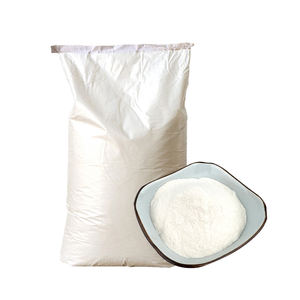
When shopping, compare CLC foaming agent price or look for the best foaming agent for aircrete based on foam stability and compatibility with your mix design.
7. Color, Finish, and Release Agents
Colored concrete has surged in popularity for driveways, patios, and facades. Stamped concrete colors range from charcoal and terra cotta to white and blue, often applied using colored concrete powder or stains.
To achieve clean patterns, contractors use concrete release agents—available as powders, sprays, or oils. A water-based release agent or mould release spray prevents sticking without harming the finish.
8. White Cement and Decorative Applications
White cement is prized for architectural finishes, countertops, and tile grout. Its bright base allows true color rendering in tinted concrete. While white cement price varies by region, its aesthetic value justifies the cost for high-end projects like white concrete countertops or pavers.
9. Choosing the Right Admixture
Always consider your environment, structural requirements, and budget. For example, accelerating admixtures for concrete help in winter, while a concrete retarder admixture is better in summer. Similarly, PCE-based superplasticizer admixture offers the best flow with minimal dosage.
Don’t confuse terms: plasticizer for concrete and concrete plasticiser refer to the same category, though ‘superplasticizer’ denotes high-efficiency versions. Likewise, ad mixtures is simply a common misspelling of admixtures.
10. Conclusion
From superplasticizer in concrete to fiber reinforcement and waterproof admix, modern admixtures empower builders to push the limits of what concrete can do. Whether you’re a contractor, architect, or DIYer sourcing from Home Depot or specialty suppliers, understanding concrete admixture types ensures smarter, stronger, and more beautiful builds.
Our Website founded on October 17, 2012, is a high-tech enterprise committed to the research and development, production, processing, sales and technical services of ceramic relative materials such as 10. Our products includes but not limited to Boron Carbide Ceramic Products, Boron Nitride Ceramic Products, Silicon Carbide Ceramic Products, Silicon Nitride Ceramic Products, Zirconium Dioxide Ceramic Products, etc. If you are interested, please feel free to contact us.