Concrete4U | Concrete Admixtures, Tools, and Production Machines

7 Critical Types of Concrete Admixtures Every Engineer Must Understand in 2024
1. Introduction
In a major industry development reported just 48 hours ago, global construction giant LafargeHolcim announced a strategic partnership with Chryso to deploy next-generation polycarboxylate ether (PCE)-based superplasticizers across its European ready-mix operations—signaling a decisive shift toward high-performance, sustainable concrete solutions. This move underscores the growing importance of advanced admixtures in meeting stringent environmental regulations and performance demands.
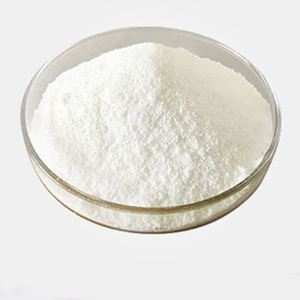
Concrete admixtures—chemical or mineral additives incorporated into concrete mixes to modify properties—are no longer optional extras but essential components in modern construction. From skyscrapers to residential driveways, the right admixture can enhance workability, durability, strength, and aesthetics. With dozens of options available, understanding the nuances between admixture types is critical for engineers, contractors, and specifiers.
2. Superplasticizers: The Workability Revolution
Superplasticizers, also known as high-range water reducers, are among the most transformative concrete chemicals ever developed. They enable significant water reduction (up to 40%) without compromising flowability, resulting in high-strength, low-permeability concrete.
Two dominant chemistries dominate this category: naphthalene-based superplasticizers (SNF) and polycarboxylate ether (PCE) superplasticizers. SNF admixtures, derived from naphthalene sulfonate formaldehyde condensates, offer robust performance at lower cost but exhibit faster slump loss and higher dosage requirements. In contrast, PCE-based superplasticizers provide superior slump retention, lower dosages, and compatibility with supplementary cementitious materials—making them the preferred choice for self-consolidating and ultra-high-performance concrete.
- Naphthalene superplasticizer: Cost-effective but limited slump retention
- Polycarboxylate ether (PCE): High efficiency, excellent flow control, ideal for green concrete
3. Accelerators and Retarders: Mastering Curing Time
Controlling setting time is crucial in varying climates and complex pours. Accelerating admixtures for concrete, such as calcium nitrate or triethanolamine-based formulations, reduce initial set time and boost early strength—essential for cold-weather concreting or fast-track projects requiring rapid formwork removal.
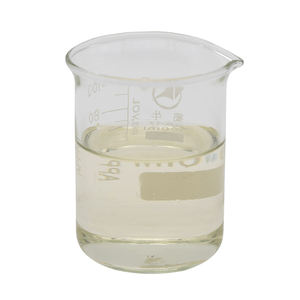
Conversely, concrete retarder admixtures like gluconates or phosphates delay hydration, preventing cold joints in large placements or mitigating heat buildup in mass concrete. Surface retarder concrete products are also used decoratively to expose aggregates in stamped finishes.
The balance between accelerator and retarder use directly impacts concrete accelerator curing time and long-term durability, demanding precise dosage control.
4. Air-Entraining and Waterproofing Additives
Air entraining admixture introduces microscopic air bubbles into the mix, dramatically improving freeze-thaw resistance—a non-negotiable in northern climates. These air entraining agents stabilize bubbles during mixing and curing, enhancing resilience without significantly reducing strength.
For moisture management, integral waterproofer systems—including crystalline waterproofing admixture and cement waterproofing additive—react with free lime and moisture to form insoluble crystals that block capillary pores. Unlike surface sealers, these concrete waterproofing additives provide permanent, internal protection, making them ideal for basements, tunnels, and water-retaining structures.
5. Fiber Reinforcement: Beyond Steel
Fiber reinforced concrete has evolved far beyond traditional steel mesh. Today’s reinforcement fiber for concrete includes polypropylene fibres for crack control, macro fibers for structural toughness, and even carbon fiber reinforcement in concrete for specialized applications requiring high tensile strength and electromagnetic transparency.
Polypropylene fibre (PP fiber concrete) is widely used in slabs and pavements to minimize plastic shrinkage cracks. Meanwhile, steel fibers for concrete enhance impact resistance in industrial floors and blast-resistant structures. Emerging bio-based options like coconut fiber reinforced concrete offer sustainable alternatives, though with lower mechanical performance.
6. Foaming Agents and Specialty Additives
Foam agent for lightweight concrete enables the production of cellular lightweight concrete (CLC), reducing dead load and improving thermal insulation. Protein-based foaming agents yield stable, fine-cell foam ideal for CLC blocks, while synthetic variants offer higher yield but less stability.
Other specialty concrete additives include concrete release agents—critical for stamped concrete patterns—and colored concrete powders that allow architects to achieve charcoal, terra cotta, or white concrete finishes without paint. White cement, often paired with superplasticizer in concrete, is increasingly used for countertops and decorative elements.
7. Selecting the Best Admixture for Concrete
There is no universal ‘best admixture for concrete.’ The optimal choice depends on environmental conditions, structural requirements, sustainability goals, and budget. For instance, PCE superplasticizer admixture excels in high-performance applications but may be overkill for simple footings. Similarly, while air entraining concrete is vital in freeze-thaw zones, it’s unnecessary in arid regions.
Leading brands like Chryso admixture, Certainteed concrete siding, and Hardie concrete siding integrate specific admixtures tailored to product performance—demonstrating how formulation precision drives real-world success.
8. Conclusion
As the construction industry embraces decarbonization and performance-driven design, the role of concrete admixtures will only grow. From superplasticizer in concrete enabling lower cement content to crystalline waterproofing admixture extending service life, these chemical admixtures for concrete are foundational to resilient, efficient, and innovative infrastructure. Understanding their mechanisms, trade-offs, and synergies is not just technical knowledge—it’s a strategic advantage.
Our Website founded on October 17, 2012, is a high-tech enterprise committed to the research and development, production, processing, sales and technical services of ceramic relative materials such as 7. Our products includes but not limited to Boron Carbide Ceramic Products, Boron Nitride Ceramic Products, Silicon Carbide Ceramic Products, Silicon Nitride Ceramic Products, Zirconium Dioxide Ceramic Products, etc. If you are interested, please feel free to contact us.