Concrete-mesa | Concrete Admixtures, Tools, and Production Machines

Choose Your Superplasticizer Wisely: A Side-by-Side Guide to PCE vs. Older Technologies
The Concrete Conundrum We’ve All Faced
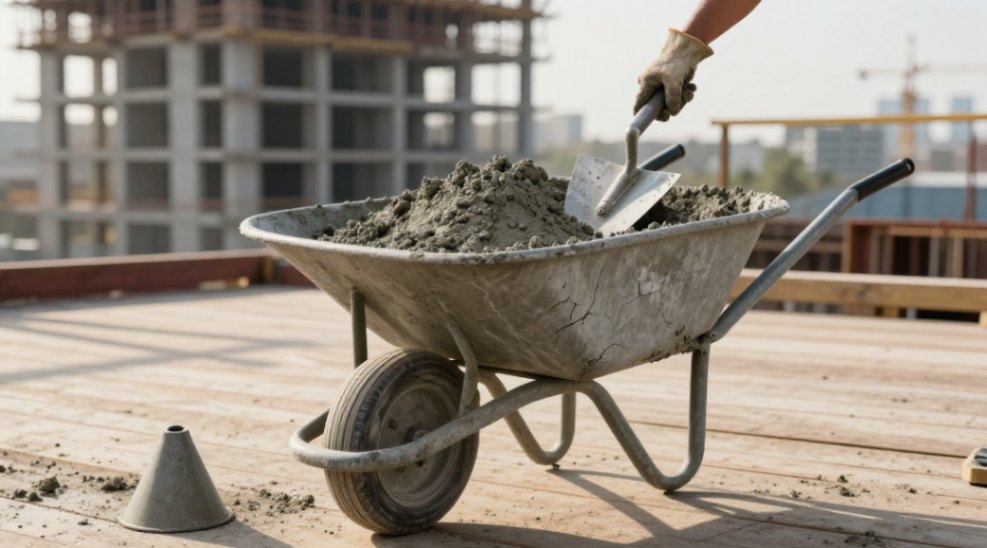
I’ve been there for decades. You design a perfect mix for a high-rise core or a delicate architectural element. The initial slump is textbook. But an hour later, on-site, the concrete is stiff and unworkable. You face delays, re-tempering with water, and the inevitable compromise on strength and durability. Sound familiar? This daily struggle is precisely why the choice of superplasticizer is critical. It’s not just an admixture; it’s the guardian of your concrete’s performance from the plant to the placement.
Understanding the Engine: How Polycarboxylate Ether Superplasticizer Works
To choose wisely, you must understand the machinery. Older superplasticizers, like naphthalene or melamine-based sulfonates, work primarily by electrostatic repulsion. They give concrete particles a negative charge, pushing them apart. It works, but it’s a blunt instrument.
A polycarboxylate ether superplasticizer for concrete is a different breed. Its long, comb-like polymer chains anchor to cement particles. The protruding “teeth” of the comb create a powerful physical barrier known as steric hindrance. Think of it as giving each particle a personal force field. This mechanism provides far superior water reduction and, crucially, much better control over the rate of slump loss. The chemical structure isn’t fixed; we can tailor the backbone and side chains. This lets us design a PCE for specific needs like rapid slump retention, early strength, or extreme water reduction.
The Definitive Comparison: PCE vs. Legacy Superplasticizers
Let’s move from theory to a practical, side-by-side analysis. This table breaks down the core differences that impact your projects every day.
| Aspect | Polycarboxylate Ether (PCE) Superplasticizers | Traditional Superplasticizers (Naphthalene/Melamine Sulfonates) |
|---|---|---|
| Chemical Basis | Engineered comb-shaped polymers with a polycarboxylate backbone and polyether side chains. | Condensed polymers or sulfonated hydrocarbon chains. |
| Primary Mechanism | Steric hindrance (physical barrier) supported by some electrostatic repulsion. | Primarily electrostatic repulsion. |
| Water Reduction | Exceptionally high (25-40%). Enables low water-cement ratios for high-strength concrete. | Moderate to high (12-25%). Limited by charge saturation and sensitivity to ions. |
| Slump Retention | Excellent and highly adjustable. Slump life can be designed for 90+ minutes without significant loss. | Generally poor. Rapid slump loss often requires re-dosing or re-tempering. |
| Dosage Sensitivity | Highly efficient at low dosages, but has an optimal range. Overdosing can cause severe segregation or excessive retardation. | Less efficient, requiring higher dosages. Wider, more forgiving dosage window before severe issues occur. |
| Cement Compatibility | More sensitive to cement chemistry (C3A content, sulfates). May require adjustment or specific PCE types. | Generally robust with a wide range of cements. Less sensitive to variations. |
| Strength Development | Promotes very high early and ultimate strength due to superior water reduction and lower porosity. | Improves strength, but the gains are limited by its lower water-reducing capacity. |
| Key Applications | Modern high-performance concrete, self-consolidating concrete (SCC), high-strength mixes, precast with long haul times, sustainable mixes with high SCM content. | Standard ready-mix for basic workability, precast with fast turnover, applications where cost is the primary driver and performance needs are modest. |
| Environmental Profile | Typically chloride-free and low-alkali. Enables significant cement reduction (lower CO2 footprint). Higher bio-based content potential. | Often contains higher levels of sodium sulfate or other salts. Less effective at enabling major cement reduction. |
| Cost Consideration | Higher cost per liter. However, lower dosage and superior performance often result in a better cost-benefit ratio for demanding applications. | Lower cost per liter. The apparent savings can be offset by higher dosage needs, performance limitations, and jobsite inefficiencies. |
Making the Right Choice for Your Project
This comparison isn’t about declaring one universally ‘better.’ It’s about matching the tool to the task. Let’s apply some logic.
When to Specify a Polycarboxylate Ether Superplasticizer
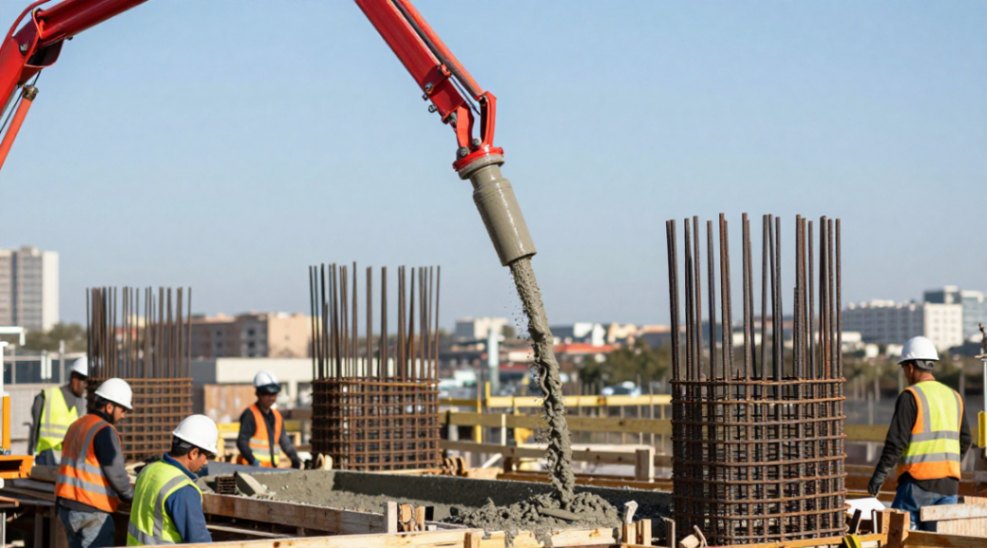
Choose PCE when performance and control are non-negotiable. Your project needs high-strength concrete with a water-cement ratio below 0.40. You are pumping concrete to great heights or across long distances. You are placing self-compacting concrete for complex forms or dense rebar. Your precast plant has extended haul times between mixing and casting. You are pursuing a sustainable design with high volumes of fly ash or slag, where PCE’s robustness is essential. In these scenarios, the initial cost of PCE is an investment that pays off in predictable performance, reduced labour, and superior hardened properties.
When a Traditional Superplasticizer Might Suffice
Consider older sulfonates for simpler applications. Basic slab-on-grade work with short delivery times and immediate placement. Low to mid-strength ready-mix for non-critical elements. Projects where the cement source is highly variable and unknown, and you need maximum compatibility ‘insurance.’ Budget-driven projects where the performance specifications are minimal, and the primary goal is basic workability enhancement. Here, the simpler chemistry and lower upfront cost can be justified.
Handling and Future Horizons
Treat your polycarboxylate ether superplasticizer with respect. Store it above freezing and out of direct sun. Avoid contamination with other admixtures. Always conduct trial batches with your specific cement and aggregates. Compatibility is key.
The future is exciting. We are developing PCEs with even greater tolerance for challenging materials like clay-contaminated aggregates. Next-generation polymers aim for smarter slump release or internal curing. The drive for sustainability is pushing bio-based and biodegradable PCE components. This technology continues to evolve, enabling concrete to do more with less.
Your Clear Path Forward
If your work involves modern, high-specification concrete, the logical choice is clear. The superior water reduction, unparalleled slump control, and strength benefits of a polycarboxylate ether superplasticizer for concrete are not just marketing claims. They are the proven tools that let engineers and producers deliver consistent, high-quality results. Stop battling unpredictable slump loss and compromising on design intent.
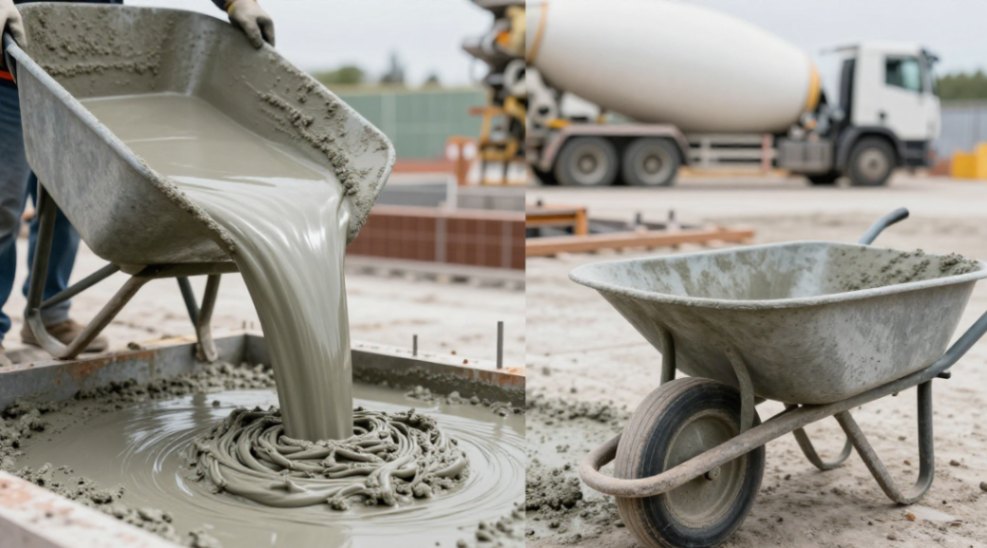
The next step is decisive. Don’t just read about it-experience the difference. Contact a leading technical admixture supplier today. Request a sample of their latest-generation PCE product. Schedule a trial batch with your specific mix materials. Compare the slump retention, the finishability, and the early strength gain against your current admixture. Let the performance data make the final argument for you. Your most challenging projects deserve nothing less.
Supplier
We are the global leader in lightweight concrete and advanced engineered foam solutions. Known globally for its commitment to research, innovation, and applied expertise, we have been providing engineered foam solutions since the early 2012’s.
We can supply high-quality concrete admixture and foam concrete related products all over the world.
The company has a professional technical department and quality supervision department, a well-equipped laboratory, and equipped with advanced testing equipment and after-sales customer service center.
If you are interested, please feel free and contact us.