Concrete-mesa | Concrete Admixtures, Tools, and Production Machines

The Brutal Truth About Early Strength Agents for Rapid Floor Repair
Your production line is silent. Your forklifts are parked. Every hour your warehouse floor is a torn-up, unusable mess costs you thousands. The traditional concrete repair playbook demands a 3 to 7-day curing shutdown-a luxury your business can’t afford. This is the brutal reality of industrial maintenance. But what if you could reopen that critical aisle in 4 to 6 hours, not 4 to 6 days? The solution isn’t magic; it’s a deliberate chemical intervention: the early strength agent for rapid floor repair.
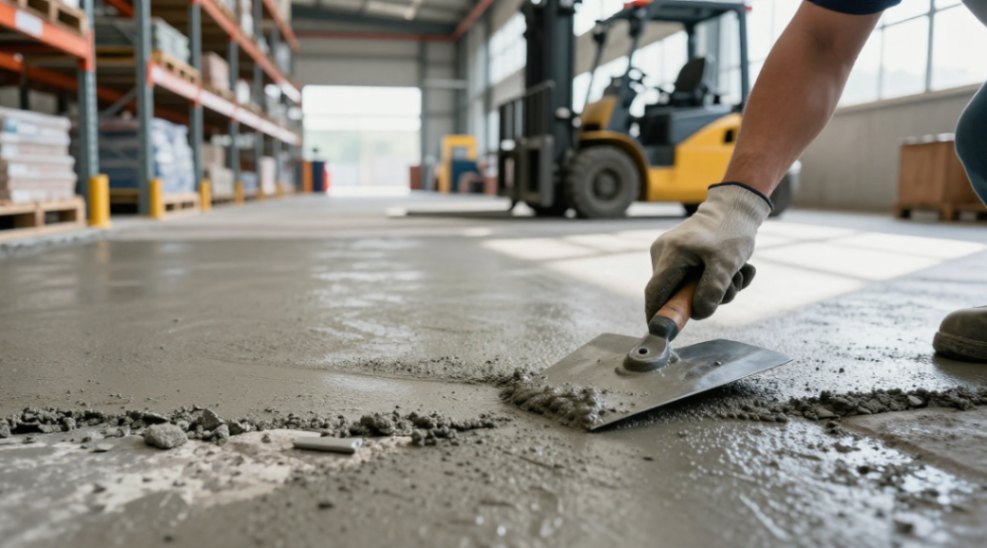
What is an Early Strength Agent for Rapid Floor Repair?
Forget vague technical jargon. An early strength agent for rapid floor repair is a chemical accelerator you mix into concrete or mortar. Its sole, ruthless purpose is to force the material to develop structural strength at an exponentially faster rate than standard mixes. Think of standard concrete as a marathon runner, pacing itself for the long haul. An early strength agent creates a sprinter-engineered for a explosive, immediate performance to hit a target strength, like 20 MPa (3000 psi), in a matter of hours. This isn’t about slightly faster drying; it’s about radically compressing the hardening timeline to minimize operational downtime.
How It Works: The Chemistry of Impatience
The process begins the moment water hits cement. Standard concrete sets and hardens through a gradual, complex reaction called hydration. Early strength agents hijack this process. Traditional chloride-based agents (like calcium chloride) work by supercharging the reaction, generating heat and forming compounds that lock together faster. Modern, non-chloride alternatives-essential for preventing corrosion in steel-reinanced floors-use blends of nitrates, nitrites, or organic compounds to achieve the same aggressive acceleration without the corrosive side effects. The result is a dense, interlocked matrix that achieves walk-on strength in 1-2 hours and light vehicular traffic strength in 4-6.
The Non-Negotiable First Step: Surface Prep
This technology fails without violent surface preparation. The old, damaged concrete must be clean, sound, and brutally roughened. This means shot blasting or scarifying to expose a pristine, rough aggregate profile. Any dust, oil, or weak substrate will compromise the bond. The agent accelerates the new material, not your failure to prepare. As one veteran contractor on a industry forum put it: “The fancy juice in the mix is worthless if you’re bonding to dirt. You’re just making expensive, fast-setting dirt.”
Why It Beats Standard Concrete for Repairs
This is not a subtle upgrade. It’s a different tool for a different job. A standard concrete mix prioritizes ultimate strength and workability over days. An early strength repair mortar prioritizes early strength and minimal downtime above all else. The performance gap is vast. Where a standard patch might need 24 hours before you can even walk on it, a properly formulated rapid repair mix with an early strength agent can handle forklift traffic in less than a quarter of that time. For a food processing plant needing to fix a cooler floor overnight or a distribution center that can’t afford to close a main thoroughfare, the choice is binary.
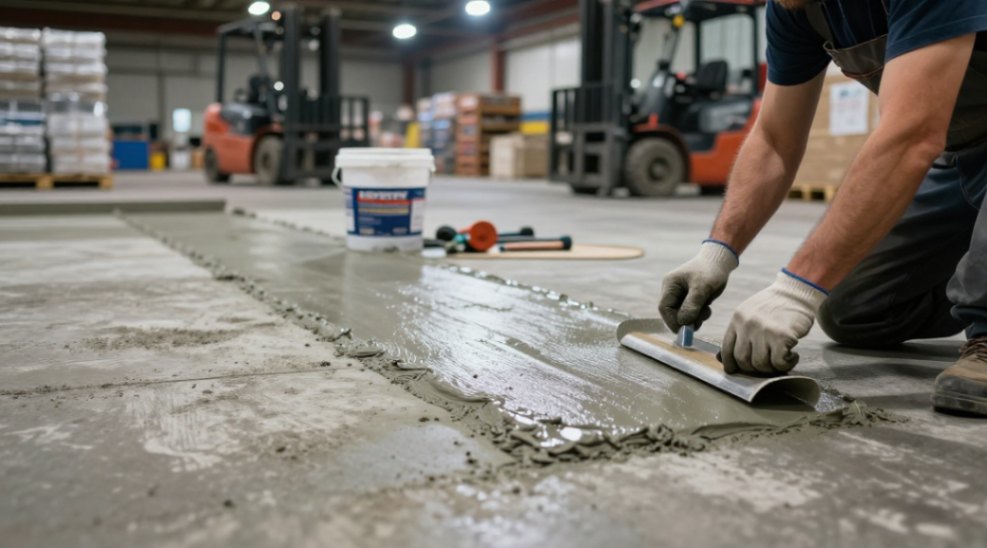
Selecting and Applying the Right Agent
Your selection criteria must be ruthless. First, environment: Is there embedded steel? If yes, you must use a non-chloride accelerator. Second, temperature: Some agents work better in cold weather, others are formulated for standard conditions. Third, the required return-to-service window dictates the specific strength development curve you need. Mixing is critical-follow the manufacturer’s ratio exactly. Overdosing can cause flash set, making the material unworkable; underdosing defeats the purpose. You apply it mixed into the repair material, not onto the surface. Trowel it, finish it, and then protect it as it generates its own heat during the accelerated cure.
The Verdict from the Field
The proof is in the reopened facility. Users in manufacturing and logistics don’t talk about “calcium aluminate formation.” They report: “We patched the loading dock at 8 PM, and the morning shift was loading trucks over it at 6 AM.” Or, “We fixed a 10-foot slab section in the auto plant during the weekend shutdown and were running robots over it Monday morning.” The metric is hours of downtime saved, translated directly into dollars not lost.
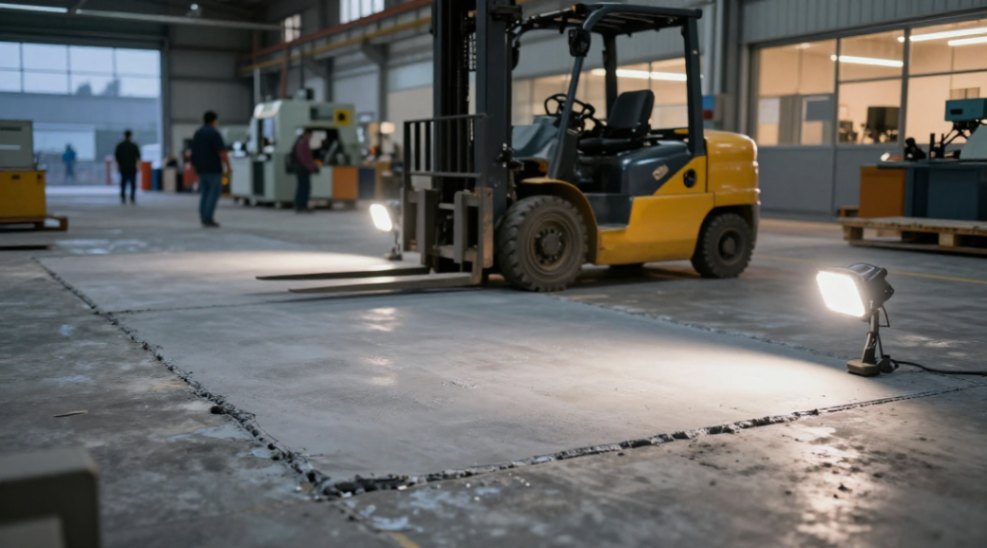
Your Next Move
Stop planning your maintenance around concrete’s leisurely schedule. Your downtime is a cost center you can control. For your next critical floor repair, specify a proprietary rapid-setting repair mortar that contains a non-chloride early strength agent. Consult with a specialist supplier, provide them with your exact traffic requirements and environmental conditions, and test the selected material in a non-critical area first. The goal isn’t just to repair concrete; it’s to reclaim your operational tempo. Buy the right product, follow the instructions with discipline, and get your floor back in service.
Supplier
We are the global leader in lightweight concrete and advanced engineered foam solutions. Known globally for its commitment to research, innovation, and applied expertise, we have been providing engineered foam solutions since the early 2012’s.
We can supply high-quality concrete admixture and foam concrete related products all over the world.
The company has a professional technical department and quality supervision department, a well-equipped laboratory, and equipped with advanced testing equipment and after-sales customer service center.
If you are interested, please feel free and contact us.