Concrete4U | Concrete Admixtures, Tools, and Production Machines

Choose the Right Admixtures for High-Performance Concrete: A Comprehensive Comparison
1. Introduction
In modern construction, achieving high-performance concrete demands more than just cement, water, and aggregates. The strategic use of concrete admixtures—also referred to as concrete additives or ad mixtures—has become essential to tailor fresh and hardened concrete properties. From improving workability with superplasticizer in concrete to enhancing freeze-thaw resistance via air entraining admixture, these chemical admixture for concrete formulations solve specific engineering challenges. This article offers a detailed comparative analysis of major admixture types, including water reducing admixtures, integral waterproofers, fiber reinforcement systems, and curing modifiers, to guide professionals in selecting the best admixture for concrete.
2. Water Reducing Admixtures: Superplasticizers Compared
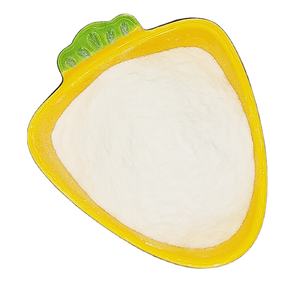
Water reducing admixtures are among the most widely used concrete chemicals, primarily designed to reduce water content while maintaining workability. Within this category, superplasticizers—also known as high-range water reducers—stand out for their exceptional dispersing power.
2.1 Naphthalene-Based Superplasticizers
Naphthalene sulfonate formaldehyde condensates (SNF) were among the first-generation superplasticizers. These admixtures offer significant water reduction (15–25%) and are cost-effective, making them popular in precast and ready-mix applications. However, they exhibit rapid slump loss over time, limiting their use in long-haul deliveries or hot weather. Additionally, naphthalene-based superplasticizer formulations may release trace volatile organic compounds, raising environmental concerns.
2.2 Polycarboxylate Ether (PCE) Superplasticizers
Polycarboxylate ether superplasticizers represent the latest advancement in concrete plasticiser technology. PCE-based admixtures provide superior water reduction (up to 40%), excellent slump retention, and compatibility with supplementary cementitious materials like fly ash or slag. Their molecular structure allows steric hindrance rather than electrostatic repulsion, resulting in more stable dispersion. Though typically more expensive than SNF, PCE superplasticizers are ideal for self-consolidating concrete (SCC), high-strength mixes, and sustainable construction. Leading brands like Chryso admixture often utilize PCE chemistry for premium performance.
3. Air Entraining and Waterproofing Admixtures
Beyond workability, durability is a critical concern—especially in climates with freeze-thaw cycles or exposure to moisture.
3.1 Air Entraining Admixture
Air entraining concrete incorporates microscopic air bubbles that act as pressure relief valves during water expansion in freezing conditions. An air entraining agent, such as vinsol resin or synthetic surfactants, stabilizes these bubbles throughout the mix. While beneficial for durability, excessive air can reduce compressive strength, requiring precise dosage control. Air entraining cement is commonly specified in bridge decks, pavements, and exterior slabs.
3.2 Waterproofing Admixtures
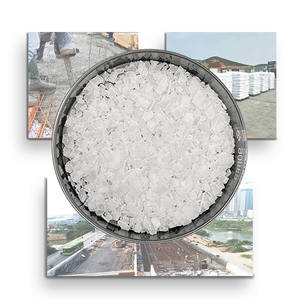
For structures requiring moisture resistance, waterproofing admixture options include integral waterproofer, crystalline waterproofing admixture, and cement waterproofing additive systems. Crystalline admixtures react with cement hydration byproducts to form insoluble crystals that block capillary pores, offering permanent protection from within. In contrast, hydrophobic integral waterproofers repel water without affecting breathability. These concrete waterproof admix solutions eliminate the need for external membranes in basements, tunnels, and water tanks.
4. Time-Modifying Admixtures: Accelerators and Retarders
Controlling setting time is crucial for scheduling and environmental adaptation.
4.1 Concrete Accelerator
Accelerating admixtures for concrete, such as calcium chloride or non-chloride alternatives, shorten initial set time and enhance early strength—critical for fast curing concrete additives in cold-weather concreting or emergency repairs. However, chloride-based accelerators risk steel corrosion and are prohibited in reinforced structures. Non-chloride versions, though safer, may be less potent and more costly.
4.2 Concrete Retarder
Conversely, a concrete retarder admixture delays hydration, useful in hot climates or for complex placements. Surface retarder concrete products are also employed in exposed-aggregate finishes. Common retarders include lignosulfonates and sugar derivatives. Overuse can lead to extended curing times and reduced ultimate strength, necessitating careful calibration.
5. Fiber Reinforcement and Specialty Additives
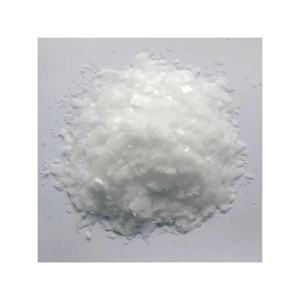
Modern admixture types extend beyond liquids to include discrete reinforcement and functional enhancements.
5.1 Fibers for Concrete
Fiber reinforced concrete incorporates reinforcement fiber for concrete such as polypropylene fibres for concrete, steel fibers for concrete, or even coconut fiber reinforced concrete for crack control and impact resistance. Macro fibers improve post-crack ductility, while microfibers reduce plastic shrinkage. Applications range from industrial floors (using fibermesh concrete) to architectural panels like fibercement siding. Notably, fiberfor concrete systems do not replace structural rebar but complement it by controlling microcracking.
5.2 Foaming and Coloring Agents
Specialized admixtures include concrete foaming agent for lightweight cellular concrete (e.g., CLC blocks) and colored concrete powders for decorative stamped concrete. Protein-based or synthetic foaming agents generate stable air voids, while powder release agents and tinted concrete stains enable aesthetic customization—from charcoal stamped concrete to terra cotta concrete color—without compromising integrity.
6. Conclusion
Selecting the right admixture used in concrete requires balancing performance goals, environmental conditions, and economic constraints. While naphthalene-based water reducer options remain viable for basic applications, polycarboxylate superplasticizer admixtures offer unmatched efficiency for advanced mixes. Similarly, combining air entraining with crystalline waterproofing admixture can dramatically extend service life in harsh environments. By understanding the nuances of each concrete admixture type—from plasticizer admixture to accelerating admixtures for concrete—professionals can optimize mix designs for strength, durability, and sustainability.
Our Website founded on October 17, 2012, is a high-tech enterprise committed to the research and development, production, processing, sales and technical services of ceramic relative materials such as Choose. Our products includes but not limited to Boron Carbide Ceramic Products, Boron Nitride Ceramic Products, Silicon Carbide Ceramic Products, Silicon Nitride Ceramic Products, Zirconium Dioxide Ceramic Products, etc. If you are interested, please feel free to contact us.