Concrete-mesa | Concrete Admixtures, Tools, and Production Machines

Your Guide to Foam Generating Machines with Foam Pumps: The Professional’s Secret for Superior Cleaning
Frustrated by Ineffective Cleaning Foam? Here’s Your Solution.
You know the frustration. You mix chemicals, connect a hose, and hope for a thick, clinging foam. Instead, you get a thin, watery solution that slides right off your equipment. It wastes time, wastes product, and leaves you questioning the entire cleaning process. If this sounds familiar, you’re not alone. The root of the problem often lies not in the chemistry, but in the delivery system. A dedicated foam generating machine with a foam pump is the tool that bridges the gap between expectation and reality. This guide will show you exactly how it works and how to use it to achieve consistent, professional-grade results every time.
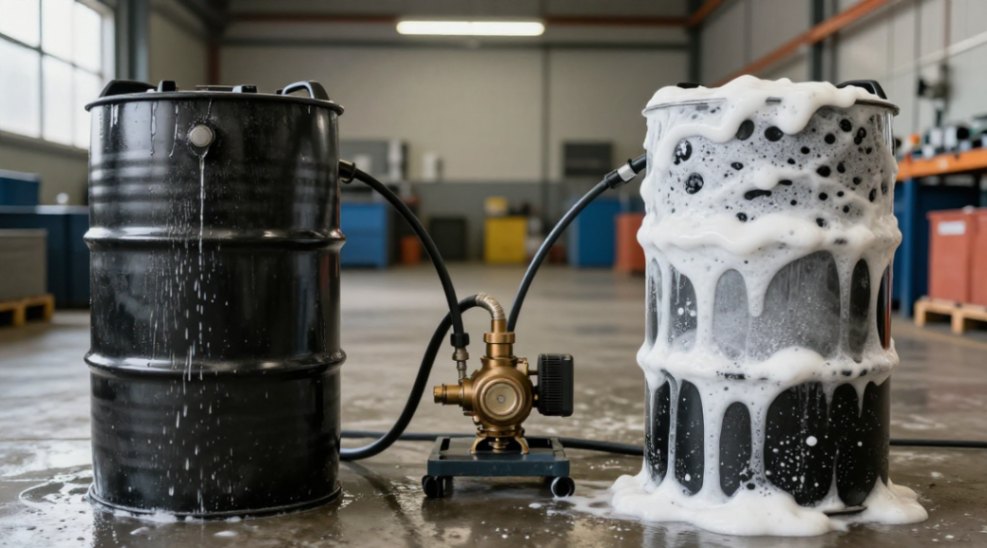
How a Foam Generating Machine with Foam Pump Actually Works
Forget guesswork. This system delivers precision. At its core, the machine precisely meters and mixes two components: water and a concentrated cleaning chemical (detergent or sanitizer). The foam pump, which can be a durable piston or diaphragm type, is the heart. It creates the pressure needed to force this mixture through a special foaming nozzle. This nozzle introduces air into the liquid stream, creating a dense, stable foam. The key advantage is consistency. You control the foam’s thickness, or “wetness,” by adjusting the chemical-to-water ratio. This ensures maximum surface contact and dwell time, allowing the cleaner to do its job effectively.
The Tangible Benefits: Why It Beats Traditional Spraying
Moving from a simple spray bottle or basic hose to a foam generating system is a game-changer for efficiency. The thick foam clings to vertical and overhead surfaces, dramatically increasing the contact time of the active chemicals. This means better soil breakdown, more effective sanitation, and less scrubbing for your team. The precise metering function of the foam pump prevents chemical overuse, leading to direct cost savings. You also reduce overspray and runoff, creating a safer work environment and meeting environmental standards more easily.
Selecting Your Machine: A Step-by-Step Guide
Choosing the right machine prevents headaches later. Follow this process.
Step 1: Assess Your Application and Chemical
First, identify your primary use. Is it for heavy-duty degreasing in a food plant, gentle disinfecting in a brewery, or applying protective coatings? This dictates the required chemical compatibility. Match your machine’s pump and fluid path materials (like polypropylene or stainless steel) to your chemicals. Using a chlorinated cleaner with incompatible seals will lead to rapid pump failure.
Step 2: Determine Your Required Flow Rate and Pressure
Next, consider scale. How large is the area you need to cover? A smaller machine with a flow rate of 2-3 gallons per minute (GPM) suits a garage or small workshop. Large industrial bays or food processing conveyors may need 5+ GPM. Higher pressure (measured in PSI) helps generate finer, drier foam and is crucial for reaching higher areas. List your must-have features.
| Feature | Small Shop / Light Duty | Large Facility / Heavy Duty |
|---|---|---|
| Flow Rate | 1.5 – 3.0 GPM | 3.0 – 8.0+ GPM |
| Pump Type | Diaphragm Pump (economical, good for varied chemicals) | Piston Pump (higher pressure, longer life for constant use) |
| Tank Size | 15 – 30 Gallons | 50 – 100+ Gallons |
| Key Consideration | Portability, easy chemical switchover | Durability, integration with central systems |
Step 3: Prioritize Ease of Use and Safety
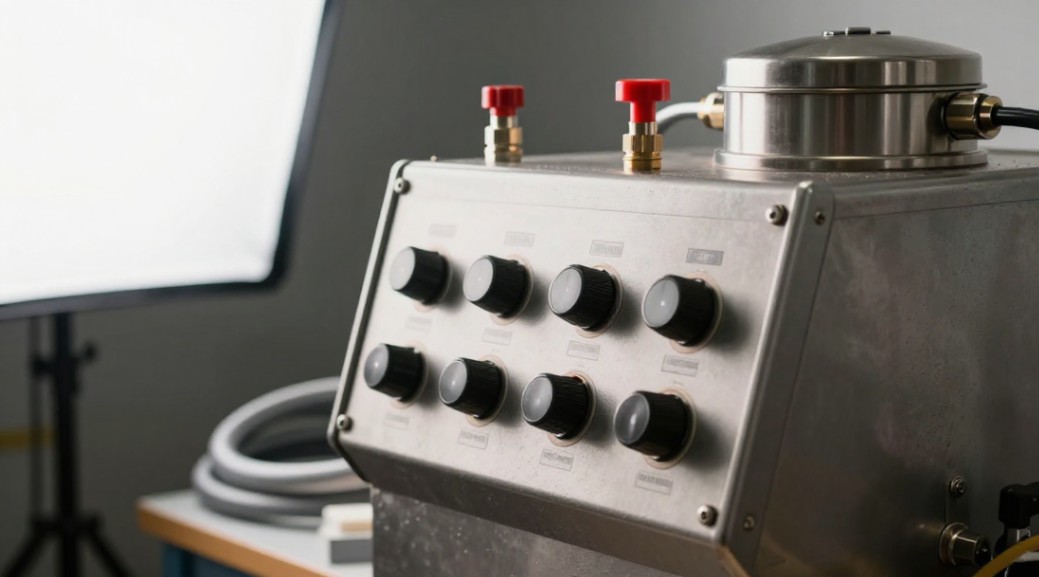
Finally, evaluate the human factor. Look for machines with clear, calibrated controls for adjusting the foam mixture. Quick-connect fittings save time during chemical changes. Built-in rinse functions protect the pump when switching products. Safety features like pressure relief valves and secure tank lids are non-negotiable for professional use. A well-designed machine makes correct operation the easiest path.
Operation and Maintenance: Your Critical Action Plan
Proper care ensures longevity. Here is your action plan.
Daily Operation Procedure
- Pre-Operation Cheque: Inspect hoses and connections for leaks. Ensure the chemical tank is filled with the properly diluted solution.
- Startup: Turn on the water supply first. Then, power the foam pump. Adjust the chemical draw knob until you achieve a thick, shaving cream-like consistency from the foam nozzle.
- Application: Apply foam from the bottom up on vertical surfaces. Allow the recommended dwell time (usually 5-15 minutes) for the chemical to work before rinsing.
- Shutdown: After use, run clean water through the system for 60-120 seconds to flush chemical residue from the pump and lines. This single step prevents most common pump issues.
Essential Weekly and Monthly Maintenance
Consistency beats heroic repairs. Every week, check pump oil levels if applicable and inspect seals. Each month, clean the foam nozzle’s air intake screen and verify all adjustment knobs move freely. Annually, consider replacing wear items like pump seals and diaphragms as part of a preventative schedule. This proactive approach, as industry expert John Carson notes, “can triple the service life of a foam pump compared to a run-to-failure mindset.”
Troubleshooting Common Issues
Even the best equipment needs attention. Use this quick-reference guide to diagnose problems.
| Problem | Likely Cause | Solution |
|---|---|---|
| Foam is too thin/watery | Chemical ratio too low, clogged nozzle air inlet, low water pressure | Increase chemical draw setting. Clean air screen. Check inlet water pressure (needs min. 20 PSI). |
| Foam is too dry/collapses quickly | Chemical ratio too high | Decrease chemical draw setting. |
| Pump runs but no foam/output | Clogged suction filter, air leak on inlet side, damaged pump seals | Clean inlet filter. Check all suction hose fittings. Inspect and replace pump seals. |
| Pump pulsates or loses pressure | Worn pump valves or diaphragms, low oil (for piston pumps) | Service or replace pump head kit. Check and refill oil to sight glass. |
Making the Investment Pay Off
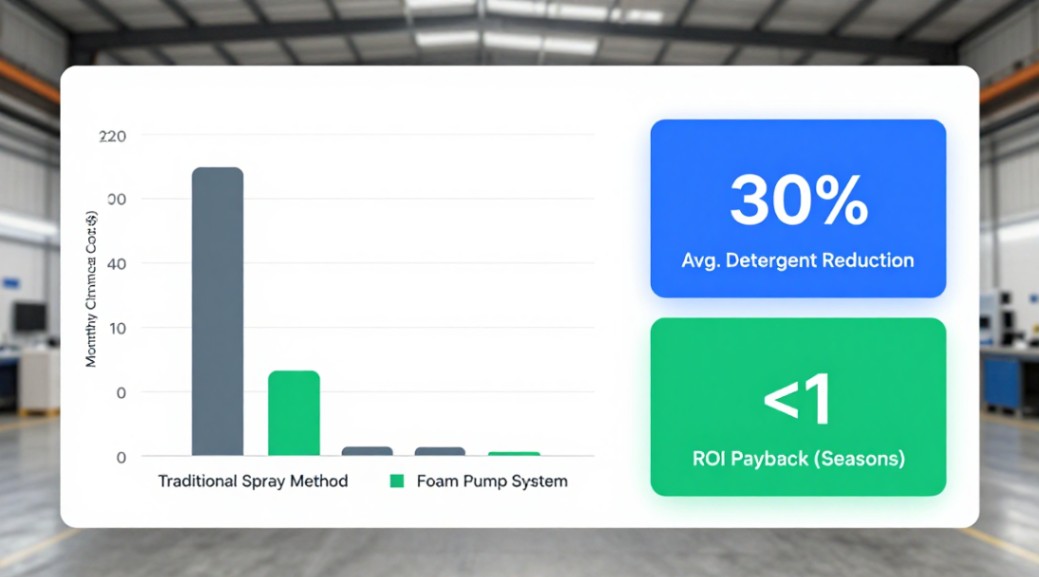
The true value of a foam generating machine with a foam pump isn’t just in the purchase price. It’s in the operational savings. By precisely controlling chemical use, most facilities report a 20-40% reduction in detergent consumption. Labor efficiency improves because the foam works for you during the dwell time, reducing scrubbing. This combination delivers a rapid return on investment, often within a single cleaning season. When evaluating models, factor in these long-term savings, not just the initial sticker price. The right machine, matched to your specific needs from the selection steps above, becomes a profit center through efficiency.
Ready to end the guesswork and inconsistency? Your next step is to apply this framework. Review your current cleaning challenges, define your requirements using the steps provided, and seek out a machine built with a robust foam pump designed for your industry’s demands. The difference in performance, cost control, and results will be immediately apparent.
Supplier
We are the global leader in lightweight concrete and advanced engineered foam solutions. Known globally for its commitment to research, innovation, and applied expertise, we have been providing engineered foam solutions since the early 2012’s.
We can supply high-quality concrete admixture and foam concrete related products all over the world.
The company has a professional technical department and quality supervision department, a well-equipped laboratory, and equipped with advanced testing equipment and after-sales customer service center.
If you are interested, please feel free and contact us.