Concrete-mesa | Concrete Admixtures, Tools, and Production Machines

How to Choose and Use the Best Concrete Admixtures for Your Project
1. Introduction
Ever poured concrete only to find it too stiff, sets too fast, or cracks after drying? The secret weapon pros use is concrete admixtures—specialized chemicals that fine-tune performance. From improving flow with a superplasticizer to speeding up curing with a concrete accelerator, these concrete additives solve real-world problems on job sites every day. This guide breaks down how to pick and use the best admixture for concrete based on your specific needs.
2. Understanding Admixture Types
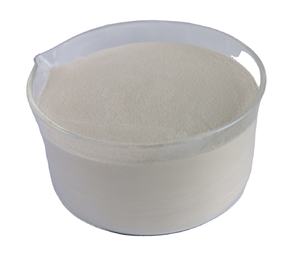
Not all admixtures are created equal. Broadly, they fall into chemical and mineral categories. Chemical admixtures include water reducers, retarders, accelerators, air-entraining agents, and waterproofing compounds. Mineral admixtures—like fly ash or silica fume—enhance long-term strength and durability. Knowing the difference helps you choose the right admixture used in concrete for your application.
3. Step-by-Step: Selecting the Right Admixture
Start by identifying your primary goal. Is your mix too dry? Do you need faster curing? Are you working in freezing temps? Match your challenge to an admixture type:
- Need better workability without extra water? Use a superplasticizer in concrete (also called high-range water reducer).
- Pouring in hot weather? A concrete retarder admixture slows setting time.
- Working in cold conditions? An accelerating admixtures for concrete cuts curing time.
- Want freeze-thaw resistance? Add an air entraining admixture to create microscopic air bubbles.
- Need moisture protection? Try a crystalline waterproofing admixture or integral waterproofer.
- Boosting crack resistance? Mix in polypropylene fibres for concrete or steel fibers for concrete.
4. Common Problems and How Admixtures Fix Them
Problem: Concrete is too stiff to place easily. Solution: Add a plasticizer for concrete or superplasticizer admixture. These water reducing admixtures let you cut water content by 15–30% while maintaining flow—ideal for dense reinforcement or complex forms.
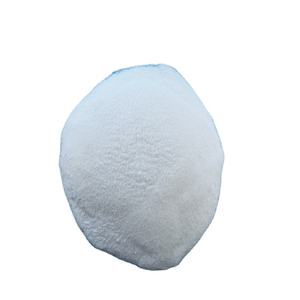
Problem: Concrete sets too quickly in summer heat. Solution: Use a concrete retarder or surface retarder concrete to delay hydration. This gives you more time to finish surfaces smoothly.
Problem: Cracking due to shrinkage. Solution: Incorporate reinforcement fiber for concrete like pp fiber concrete or macro fibers. Fiber reinforced concrete resists microcracks during early curing.
Problem: Water seepage through basement walls. Solution: Apply a concrete waterproofing additive such as a cement waterproofing additive or crystalline waterproofing admixture that reacts with moisture to seal pores permanently.
5. Practical Tips for Mixing and Applying Admixtures
Always follow manufacturer dosage guidelines—overdosing can cause segregation or delayed setting. For liquid admixtures like super plasticizers or concrete form release agents, add them to mixing water before introducing cement. Powdered additives (e.g., colored concrete powder or white cement) should be pre-blended with dry ingredients.
When using air entraining concrete admixtures, monitor air content with a pressure meter—target 4–7% for freeze-thaw zones. For fiberfor concrete mixes, ensure adequate mixing time (3–5 minutes) so fibers disperse evenly and don’t clump.
Store admixture chemical products in cool, dry places. Many superplasticizer types (like polycarboxylate ether or naphthalene based superplasticizer) degrade if frozen or exposed to extreme heat.
6. Specialized Applications: Beyond Basic Concrete
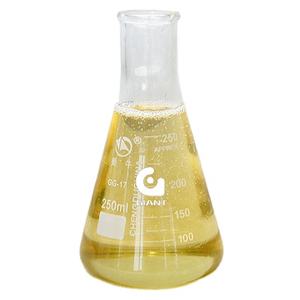
For decorative stamped concrete, combine tinted concrete with a concrete stamp release agent (powder or spray) to prevent sticking and add accent colors. Popular stamped concrete colors include charcoal, terra cotta, and grey—all enhanced with color powder for sale at most building suppliers.
If you’re making lightweight foam concrete, use a protein based foaming agent or synthetic foaming agent for concrete. CLC foaming agent creates stable air cells for insulating blocks.
For modern concrete siding or fibercement siding that mimics wood, manufacturers often blend fiber reinforced polymer concrete with waterproof admix. Brands like Hardie or Certainteed use this approach for durable, low-maintenance exteriors.
7. Avoiding Costly Mistakes
Never assume one admixture fits all projects. A superplasticizer admixture great for high-strength columns might over-disperse a mortar mix. Similarly, using a fast curing concrete additives in thin overlays can cause curling.
Test small batches first—especially when combining multiple admixtures (e.g., superplasticizer + air entraining agent). Some combinations reduce effectiveness or cause unexpected reactions.
Don’t confuse concrete additives fiber with structural rebar. Fibers improve toughness but don’t replace steel reinforcement in load-bearing elements.
8. Conclusion
Choosing the right concrete admixture isn’t guesswork—it’s smart engineering. Whether you need a water reducer for pumpable slabs, an air entraining cement for driveways, or a waterproof admix for basements, there’s a tailored solution. By matching your project’s demands to the correct admixture types—from polycarboxylate superplasticizer to coconut fiber reinforced concrete—you’ll save time, reduce waste, and build stronger, longer-lasting structures.
Our Website founded on October 17, 2012, is a high-tech enterprise committed to the research and development, production, processing, sales and technical services of ceramic relative materials such as How. Our products includes but not limited to Boron Carbide Ceramic Products, Boron Nitride Ceramic Products, Silicon Carbide Ceramic Products, Silicon Nitride Ceramic Products, Zirconium Dioxide Ceramic Products, etc. If you are interested, please feel free to contact us.