Concrete4U | Concrete Admixtures, Tools, and Production Machines

Admixtures Are Revolutionizing Modern Concrete—Here’s Everything You Need to Know
1. Introduction
Just 48 hours ago, the American Concrete Institute (ACI) announced updated guidelines emphasizing the critical role of high-performance admixtures in sustainable infrastructure projects. With global demand for greener, stronger, and more durable concrete rising, admixtures have moved from optional additives to essential components in modern mixes.
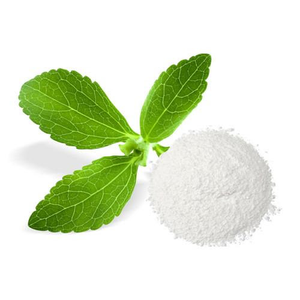
Whether you’re a contractor, engineer, or DIY enthusiast, understanding admixtures can help you build smarter, faster, and longer-lasting structures. In this guide, we’ll explore what admixtures are, the different admixture types, and how they transform ordinary concrete into high-performance material.
2. What Are Admixtures?
Admixtures—sometimes spelled ‘ad mixtures’—are materials added to concrete before or during mixing to modify its properties. These concrete additives can improve workability, accelerate or delay setting time, enhance strength, add color, or provide waterproofing.
Used correctly, admixtures reduce water content, minimize cracking, increase durability, and even lower overall costs. They fall into two broad categories: chemical admixtures and mineral admixtures.
3. Major Types of Concrete Admixture
3.1 Water-Reducing Admixtures
Water reducing admixtures, also called concrete water reducers, cut the amount of water needed in a mix without sacrificing workability. This leads to higher strength and lower permeability.
Superplasticizers are the most powerful type of water reducer. Often referred to as high-range water reducers, super plasticizers like polycarboxylate ether (PCE) can reduce water content by up to 40%. Superplasticizer in concrete is especially popular in high-strength and self-consolidating mixes.
- Common superplasticizer types include naphthalene-based, melamine-based, and PCE-based formulations.
- Best superplasticizer for concrete depends on your project needs—PCE offers superior slump retention and is eco-friendlier.
3.2 Retarding and Accelerating Admixtures
Concrete retarder admixtures delay the initial setting time—ideal for hot weather or long hauls. Surface retarder concrete is often used in decorative stamped finishes to expose aggregate.
On the flip side, concrete accelerator additives speed up curing. Accelerating admixtures for concrete are crucial in cold climates or when fast formwork removal is needed. They directly impact concrete accelerator curing time, allowing projects to stay on schedule.
3.3 Air-Entraining Admixtures
Air entraining concrete contains microscopic air bubbles that improve freeze-thaw resistance. An air entraining admixture (or air entraining agent) introduces these bubbles during mixing.
This is vital in regions with harsh winters. Air entraining cement helps prevent surface scaling and internal cracking caused by ice expansion.
3.4 Waterproofing Admixtures
Want concrete that repels water? Waterproofing admixture options include integral waterproofers, crystalline waterproofing admixtures, and cement waterproofing additives.
A concrete waterproofing additive works from within the matrix, unlike surface sealers. Crystalline types react with moisture to form insoluble crystals that block capillaries—making them ideal for basements and water tanks.
Look for terms like admixture waterproofing, waterproof admix, or concrete waterproof admix when sourcing these products.
3.5 Mineral Admixtures
Mineral admixture includes fly ash, slag, silica fume, and metakaolin. These pozzolanic materials replace part of the cement, improving long-term strength and sustainability.
They also reduce heat of hydration and enhance resistance to chemical attack—key for marine or industrial environments.
4. Fiber Reinforcement and Specialty Additives
Fibers for concrete—like polypropylene fibres, steel fibers, or even coconut fiber—are increasingly common. Fiber reinforced concrete improves crack control, impact resistance, and ductility.
From macro fibers to concrete microfiber, these reinforcements eliminate or reduce the need for traditional rebar in slabs and overlays. Products like Fibermesh concrete use synthetic fibers for residential and commercial floors.
Carbon fiber reinforced concrete is emerging in high-tech applications, offering exceptional tensile strength with minimal weight.
Note: While ‘concrete fiber siding’ and ‘fibercement siding’ sound related, they refer to exterior cladding—not structural concrete mixes. Brands like Hardie and CertainTeed offer concrete siding that looks like wood, but that’s a separate product category.
5. Foaming Agents and Aesthetic Additives
For lightweight applications like CLC (Cellular Lightweight Concrete) blocks, a concrete foaming agent creates stable air voids. Protein-based or synthetic foaming agents are used in foam concrete, aircrete, and insulation panels.
Meanwhile, colored concrete relies on pigments and release agents. Stamped concrete colors—from charcoal to terra cotta—are achieved using colored concrete powder and mold release sprays. Don’t forget the concrete release agent; it prevents sticking and adds accent colors to patterns.
White cement is another aesthetic choice, often used in countertops, tiles, and decorative elements. Waterproof white cement variants combine beauty with function.
6. Choosing the Best Admixture for Concrete
The best admixture for concrete depends on your goals:
- Need flow without extra water? Go for a superplasticizer admixture.
- Building in freezing temps? Use an air entraining concrete additive.
- Pouring in summer heat? A concrete retarder will buy you time.
- Want leak-proof basements? Crystalline waterproofing admixture is your answer.
Always check compatibility with your cement type and follow dosage guidelines. Brands like Chryso offer tailored solutions for complex projects.
7. Conclusion
Admixtures aren’t just extras—they’re game-changers. From superplasticizer in concrete to fiber reinforcement and smart waterproofing systems, these concrete chemicals empower builders to meet today’s demands for speed, sustainability, and resilience.
As ACI’s latest update shows, the future of concrete is admixture-driven. Whether you’re mixing a backyard patio or a skyscraper foundation, choosing the right admixture used in concrete can make all the difference.
Our Website founded on October 17, 2012, is a high-tech enterprise committed to the research and development, production, processing, sales and technical services of ceramic relative materials such as Admixtures. Our products includes but not limited to Boron Carbide Ceramic Products, Boron Nitride Ceramic Products, Silicon Carbide Ceramic Products, Silicon Nitride Ceramic Products, Zirconium Dioxide Ceramic Products, etc. If you are interested, please feel free to contact us.