Concrete-mesa | Concrete Admixtures, Tools, and Production Machines

Admixtures Are Revolutionizing Modern Concrete Construction
1. Introduction
Just 48 hours ago, a major infrastructure project in Texas announced it would use advanced polycarboxylate ether (PCE)-based superplasticizers to achieve high-strength, low-permeability concrete for a new flood-resilient bridge. This move highlights a growing trend: the strategic use of admixtures to meet sustainability, durability, and efficiency goals in modern construction.
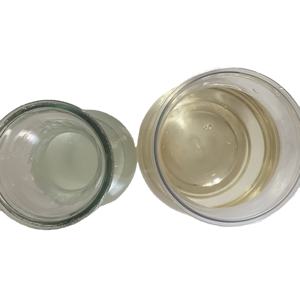
Admixtures—often called concrete additives—are materials added to concrete, mortar, or grout during mixing to modify its properties. Whether you’re pouring a driveway, building a skyscraper, or crafting decorative stamped concrete, admixtures play a crucial role in tailoring performance to specific needs.
2. What Are Admixtures?
Admixtures are chemical or mineral ingredients incorporated into concrete mixes to enhance characteristics like setting time, strength, workability, and resistance to environmental factors. They’re used in nearly all modern concrete applications, from residential sidewalks to massive dams.
The term ‘ad mixtures’ is sometimes used informally, but industry professionals refer to them as concrete admixtures or cement admixtures. These concrete chemicals fall into two broad categories: chemical admixtures and mineral admixtures.
3. Common Types of Concrete Admixtures
Understanding admixture types helps contractors and engineers select the best admixture for concrete in any given scenario. Below are the most widely used categories:
- Water reducing admixtures (including mid-range and high-range water reducers)
- Superplasticizers (also called super plasticizers or high-range water reducers)
- Concrete accelerators and retarders
- Air entraining admixtures
- Waterproofing admixtures
- Fiber reinforcement additives
- Foaming agents for lightweight concrete
4. Superplasticizers: The Game-Changer in Concrete Workability
Superplasticizer in concrete is one of the most transformative innovations in recent decades. These powerful concrete water reducers—especially polycarboxylate ether (PCE) and naphthalene-based types—allow for significant water reduction without sacrificing flow.
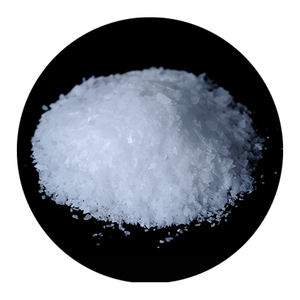
A superplasticizer admixture can reduce water content by up to 40%, resulting in higher strength, lower permeability, and improved durability. PCE-based superplasticizers are now preferred for their eco-friendliness, compatibility with other additives, and consistent performance. Brands like Chryso admixture offer advanced formulations tailored for everything from precast elements to self-consolidating concrete.
5. Setting Time Control: Accelerators and Retarders
Concrete accelerator curing time is critical in cold weather or fast-track projects. Accelerating admixtures for concrete speed up hydration, enabling earlier form removal and faster strength gain.
Conversely, a concrete retarder admixture delays setting—ideal for hot climates or long hauls. Surface retarder concrete is even used decoratively to expose aggregates in stamped or patterned finishes.
6. Air Entraining and Durability Enhancement
Air entraining concrete contains microscopic air bubbles created by an air entraining agent. These bubbles relieve internal pressure during freeze-thaw cycles, drastically improving longevity in cold regions.
An air entraining admixture is essential for outdoor slabs, pavements, and bridges in northern climates. It’s often combined with other concrete additives for synergistic effects.
7. Waterproofing Solutions for Long-Lasting Structures
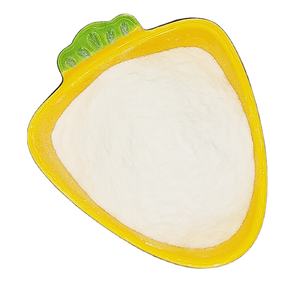
Waterproofing admixture for concrete comes in several forms: integral waterproofer, crystalline waterproofing admixture, and cement waterproofing additive. These admixtures block capillary pores or react with moisture to form insoluble crystals that seal cracks.
Whether you call it concrete waterproof admix, waterproof admix, or admixture waterproofing, the goal is the same: prevent water ingress without relying solely on external membranes.
8. Fiber Reinforcement: Beyond Steel Rebar
Fibers for concrete—including polypropylene fibres for concrete, steel fibers for concrete, and even coconut fiber reinforced concrete—add tensile strength and crack resistance. Fiber reinforced concrete is now standard in industrial floors, shotcrete, and thin architectural panels.
Macro fibers and microfibers serve different purposes: macro fibers control cracking after initial set, while microfibers reduce plastic shrinkage. Products like Fibermesh concrete integrate seamlessly into the mix, offering reinforcement without complex rebar cages.
9. Specialized Additives: Foaming Agents and Colorants
Foaming agent for foam concrete enables the creation of lightweight cellular concrete (CLC). CLC foaming agent—often protein-based or synthetic—is vital for insulating blocks and void-fill applications.
Meanwhile, colored concrete relies on pigments and release agents. Stamped concrete colors range from charcoal and terra cotta to white and blue, with powder release agents ensuring clean pattern transfer and added color accents.
10. Choosing the Right Admixture
Selecting the best admixture for concrete depends on climate, structural requirements, and aesthetic goals. For example, fast curing concrete additives suit emergency repairs, while a concrete plasticiser improves pumpability in tall buildings.
Always consult technical data sheets and consider compatibility—especially when combining a superplasticizer with a waterproofing admixture or fiber reinforcement.
11. Conclusion
From superplasticizer admixture boosting strength to air entraining cement enhancing freeze-thaw resistance, admixtures are indispensable in modern construction. As innovation continues—like PCE superplasticizer advancements and sustainable coconut fibre concrete—the future of concrete is smarter, stronger, and more adaptable than ever.
Our Website founded on October 17, 2012, is a high-tech enterprise committed to the research and development, production, processing, sales and technical services of ceramic relative materials such as Admixtures. Our products includes but not limited to Boron Carbide Ceramic Products, Boron Nitride Ceramic Products, Silicon Carbide Ceramic Products, Silicon Nitride Ceramic Products, Zirconium Dioxide Ceramic Products, etc. If you are interested, please feel free to contact us.