Concrete4U | Concrete Admixtures, Tools, and Production Machines

Master the Mix: Understand Every Type of Concrete Admixture for Stronger, Smarter Builds
1. Introduction
Just 24 hours ago, a major breakthrough in sustainable construction was announced: researchers at MIT unveiled a new generation of polycarboxylate ether (PCE)-based superplasticizers that reduce cement usage by up to 30% without compromising strength. This innovation highlights how critical admixtures have become in modern concrete technology—not just as additives, but as game-changers for efficiency, resilience, and environmental impact. Whether you’re pouring a driveway, building high-rises, or crafting decorative stamped concrete, understanding admixtures is essential.
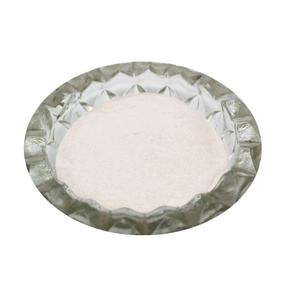
Concrete admixtures—often called concrete additives—are materials added to concrete before or during mixing to modify its properties. Far from being optional extras, they’re now integral to nearly every concrete application worldwide. From speeding up curing time with a concrete accelerator to enhancing freeze-thaw resistance with air entraining admixtures, these chemical and mineral compounds solve real-world challenges on job sites every day.
2. What Are Admixtures and Why Do They Matter?
Admixtures are substances other than water, aggregates, and cement that are added to concrete to improve its workability, durability, setting time, or appearance. The term ‘ad mixtures’ (sometimes misspelled) actually refers to ‘admixture types’ designed for specific outcomes. Without them, achieving high-performance concrete—especially in extreme climates or complex architectural designs—would be nearly impossible.
Modern construction relies heavily on chemical admixture for concrete formulations that meet precise engineering demands. Whether you’re using a plasticizer for concrete to increase flow without adding water or a crystalline waterproofing admixture to protect basements, these additives make concrete smarter, stronger, and more versatile.
3. Major Types of Concrete Admixture
3.1 Water-Reducing Admixtures
Water reducing admixtures, also known as concrete water reducers, decrease the water content needed for a given slump (workability). This results in higher strength and lower permeability. They come in mid-range and high-range varieties—superplasticizers fall into the latter category. A superplasticizer in concrete can reduce water by 15–30%, enabling self-consolidating or high-strength mixes. Polycarboxylate ether (PCE) superplasticizers are now the gold standard due to their efficiency and compatibility with modern cements.
Common names include super plasticizers, PCE-based superplasticizer, and high range water reducer. Brands like Chryso admixture offer tailored solutions, but even home depot concrete siding installers may use generic superplasticizer admixture for precast elements.
3.2 Accelerating and Retarding Admixtures
When time is tight, accelerating admixtures for concrete shorten setting time and boost early strength—ideal for cold weather or fast-track projects. A concrete accelerator directly impacts concrete accelerator curing time, allowing forms to be stripped sooner. Calcium chloride is a traditional option, though non-chloride alternatives are preferred for reinforced structures.
Conversely, a concrete retarder (or admixture retarder) delays hydration, useful in hot climates or for long hauls. Surface retarder concrete is used in exposed-aggregate finishes, where the top layer is washed away after partial set to reveal stones or pebbles.
3.3 Air Entraining Admixtures
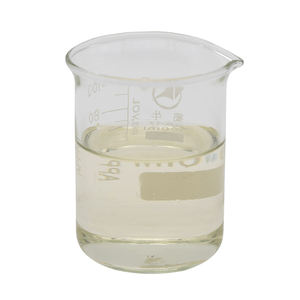
Air entraining concrete contains microscopic air bubbles that improve resistance to freeze-thaw cycles. An air entraining admixture introduces these bubbles via an air entraining agent, typically derived from vinsol resin or synthetic surfactants. This is crucial for roads, bridges, and outdoor slabs in cold regions. Don’t confuse this with foaming agents used in lightweight cellular concrete—those create larger, structural voids.
3.4 Waterproofing and Integral Additives
For basements, tunnels, or wet areas, waterproofing admixture options include integral waterproofers, crystalline systems, and cement waterproofing additives. A concrete waterproofing additive like a crystalline waterproofing admixture reacts with moisture to form insoluble crystals that block capillaries. Unlike surface coatings, these provide permanent, internal protection—making them a favorite for below-grade applications.
Terms like admixture waterproofing, waterproof admix, and concrete waterproof admix all refer to similar technologies aimed at reducing permeability and preventing leaks.
4. Specialty and Performance-Enhancing Admixtures
4.1 Fiber Reinforcement
Fibers for concrete—whether polypropylene fibres for concrete, steel fibers for concrete, or even coconut fiber reinforced concrete—add tensile strength and crack control. Fiber reinforced concrete is now standard in industrial floors, shotcrete, and seismic zones. Macro fibers and microfibers serve different roles: macro fibers bridge cracks, while microfibers reduce plastic shrinkage.
Products like Fibermesh concrete or carbon fiber reinforced concrete push performance further. Though concrete fiber siding and fibercement siding (e.g., Hardie or CertainTeed concrete siding) use fibers for durability and wood-like aesthetics, they’re distinct from structural fiber-reinforced mixes used in slabs or beams.
4.2 Foaming Agents and Lightweight Concrete
Foaming agent for foam concrete—such as protein based foaming agent or synthetic variants—is key for CLC (cellular lightweight concrete) blocks and insulating fills. These agents create stable air cells, reducing density while maintaining thermal performance. CLC foaming agent price varies, but quality matters: poor foam stability leads to collapse or segregation.
Note: This is unrelated to air entraining, which targets durability, not weight reduction.
4.3 Color, Release, and Aesthetic Additives
Colored concrete relies on pigments mixed into the batch or applied as powder release agents during stamping. Stamped concrete colors—from charcoal to terra cotta—combine with patterns for realistic stone or wood looks. A concrete release agent (spray, oil, or powder) prevents stamps from sticking; options include water-based release agent or traditional form release oil.
White cement is another aesthetic choice, prized for countertops, tiles, and bright architectural elements. Its higher cost is offset by design flexibility and reflectivity.
5. Choosing the Best Admixture for Concrete
The best admixture for concrete depends on your project’s climate, timeline, structural needs, and budget. For high-flow, low-water mixes, a polycarboxylate superplasticizer is unmatched. For freeze resistance, prioritize air entraining. In wet environments, go crystalline waterproofing. Always consult technical data sheets and consider compatibility—some admixtures interact poorly when combined.
Remember: even small dosages (often 0.1–2% by cement weight) can dramatically alter performance. Never guess—test trial batches first.
6. Conclusion
From superplasticizer admixture boosting sustainability to fiber reinforcement enhancing toughness, admixtures transform ordinary concrete into a high-tech building material. As innovations like MIT’s new PCE formulas emerge, staying informed ensures your builds are not just strong—but smarter, greener, and longer-lasting. Whether you’re a contractor or homeowner, knowing your concrete chemicals pays off in every pour.
Our Website founded on October 17, 2012, is a high-tech enterprise committed to the research and development, production, processing, sales and technical services of ceramic relative materials such as Master. Our products includes but not limited to Boron Carbide Ceramic Products, Boron Nitride Ceramic Products, Silicon Carbide Ceramic Products, Silicon Nitride Ceramic Products, Zirconium Dioxide Ceramic Products, etc. If you are interested, please feel free to contact us.