Concrete-mesa | Concrete Admixtures, Tools, and Production Machines

7 Niche Applications of Concrete Admixtures That Are Revolutionizing Modern Construction
1. Introduction
Just 48 hours ago, researchers at ETH Zurich unveiled a new ultra-low-carbon concrete mix that leverages advanced polycarboxylate ether (PCE) superplasticizers and coconut fiber reinforcement to cut CO₂ emissions by over 60%. This innovation underscores a growing trend: admixtures aren’t just additives—they’re enablers of next-generation construction.
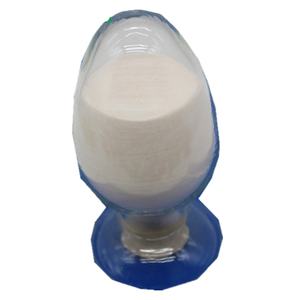
Gone are the days when ‘concrete admixture’ meant only basic water reducers or accelerators. Today, specialized admixtures empower engineers to build underwater, print houses layer by layer, or create siding that mimics wood grain—all while boosting durability, sustainability, and performance.
2. Underwater Concrete for Marine Infrastructure
Pouring concrete beneath the ocean’s surface sounds impossible—but it’s routine thanks to tailored admixtures.
Water reducing admixtures and superplasticizer in concrete ensure high fluidity without segregation, even under hydrostatic pressure. Meanwhile, air entraining admixture introduces microscopic bubbles that prevent freeze-thaw damage in tidal zones.
- Integral waterproofer and crystalline waterproofing admixture seal pores against saltwater intrusion.
- Concrete accelerator curing time is carefully balanced with concrete retarder admixture to allow placement before setting begins.
Projects like offshore wind turbine foundations rely on this precise cocktail of chemical admixture for concrete to survive decades of marine exposure.
3. 3D-Printed Concrete Structures
Additive manufacturing in construction demands flowable yet rapid-setting mixes. Enter PCE-based superplasticizer admixture.
These super plasticizers provide extreme workability at low water-cement ratios—critical for extrusion through printer nozzles. But the mix must also stiffen quickly to support subsequent layers.
Fast curing concrete additives and accelerating admixtures for concrete are dosed precisely to control this balance. Some formulations even include polypropylene fibres for concrete to prevent cracking during printing.
Companies like COBOD and ICON now use these advanced concrete chemicals to print entire homes in under 24 hours.
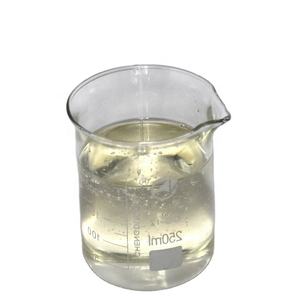
4. High-Performance Fiber-Reinforced Siding
Modern concrete siding isn’t your grandfather’s stucco. Products like Hardie concrete siding and CertainTeed concrete siding mimic wood grain while offering fire resistance and zero rot.
The secret? Fiber reinforced concrete with macro fibers and microfibers—often polypropylene fibre or even carbon fiber reinforcement in concrete.
Admixture used in concrete for siding includes surface retarder concrete to expose aggregate textures and concrete waterproof admix to repel rain. Coconut fiber reinforced concrete is also gaining traction as a sustainable alternative.
Home Depot concrete siding options now feature these engineered blends, proving that concrete fiber siding cost is competitive with traditional materials—especially over the lifespan of a home.
5. Lightweight Foam Concrete with Bio-Based Foaming Agents
Foam concrete—used in insulation blocks, void filling, and green roofs—relies on foaming agent used in foam concrete to trap air and reduce density.
Recent advances favor protein based foaming agent concrete over synthetic versions for lower environmental impact. CLC foaming agent (Cellular Lightweight Concrete) creates stable bubbles that yield compressive strengths of 1–10 MPa with densities under 1,200 kg/m³.
When paired with white cement and tinted concrete colorants, this mix becomes ideal for decorative panels or acoustic barriers.
6. Decorative Stamped Concrete with Precision Release Systems
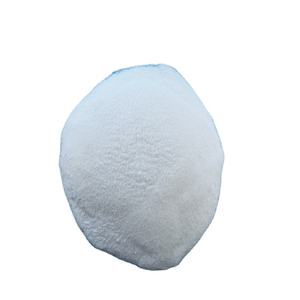
Stamped concrete colors and patterns dominate patios and driveways—but achieving crisp detail requires more than just molds.
Concrete release agent—often a powder release agent or water based release agent—prevents sticking while adding accent hues like charcoal stamped concrete or terra cotta concrete color.
Superplasticizer ensures the mix flows into fine mold details, while concrete retarder controls surface set time for optimal stamping. Without the right plasticizer for concrete, edges blur and patterns lose definition.
7. Self-Healing and Waterproof Concrete for Tunnels
In critical infrastructure like subway tunnels, waterproofing admixture for concrete isn’t optional—it’s existential.
Crystalline waterproofing admixture reacts with moisture to grow insoluble crystals that block capillaries permanently. Combine this with integral waterproofer and you get concrete that resists hydrostatic pressure without membranes.
Some mixes even embed bacteria or microcapsules that activate upon cracking—truly self-healing concrete. These systems depend on compatible admixture chemical formulations that don’t interfere with healing agents.
8. Conclusion
From deep-sea installations to backyard patios, admixtures have evolved far beyond simple cement additives. Whether you need the best admixture for concrete in a seismic zone or a bio-based foaming agent for eco-blocks, today’s concrete admixture types offer precision-engineered solutions.
As sustainability and performance demands rise, expect innovations like PCE superplasticizer, coconut fibre concrete, and smart waterproofing admixtures to become standard—not niche.
Our Website founded on October 17, 2012, is a high-tech enterprise committed to the research and development, production, processing, sales and technical services of ceramic relative materials such as 7. Our products includes but not limited to Boron Carbide Ceramic Products, Boron Nitride Ceramic Products, Silicon Carbide Ceramic Products, Silicon Nitride Ceramic Products, Zirconium Dioxide Ceramic Products, etc. If you are interested, please feel free to contact us.