Concrete-mesa | Concrete Admixtures, Tools, and Production Machines

How Advanced Admixtures Are Revolutionizing Fiber-Reinforced Concrete Siding
1. Introduction
Just 24 hours ago, CertainTeed announced a major expansion of its fiber cement siding production line in North America, citing surging demand for low-maintenance, fire-resistant, and eco-friendly home exteriors. This move underscores a broader industry shift toward advanced concrete formulations—specifically, fiber-reinforced concrete siding enhanced with high-performance admixtures. As homeowners increasingly seek alternatives that mimic wood but outperform it in durability, the role of concrete chemicals has never been more critical.
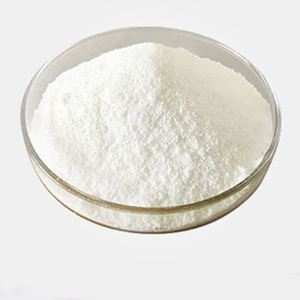
In this article, we’ll dive into how specific admixture types—like superplasticizers, integral waterproofers, and air-entraining agents—are transforming what was once a basic building material into a high-tech cladding solution. From improving workability during manufacturing to boosting weather resistance on your house, these concrete additives are quietly revolutionizing exterior design.
2. Why Fiber-Reinforced Concrete Siding Needs Specialized Admixtures
Fiber-reinforced concrete (FRC) siding—often marketed as fibercement siding or concrete fiber siding—isn’t just regular concrete slapped onto a wall. It’s a precision-engineered composite that blends cement, sand, water, and reinforcement fibers (like polypropylene or cellulose) to create panels that resist cracking, warping, and moisture damage. But without the right admixture used in concrete, this mix would be too stiff to mold, too porous to last, or too slow to cure for mass production.
That’s where modern concrete admixtures come in. These chemical admixture for concrete formulations fine-tune everything from flowability to setting time, making large-scale manufacturing of consistent, high-quality siding possible.
3. Key Admixture Types Powering Modern Concrete Siding
3.1 Superplasticizers: The Workability Game-Changer
Superplasticizer in concrete is arguably the most vital additive for fiber-reinforced siding. Because FRC mixes contain dense fiber networks (including macro fibers and microfibers like polypropylene fibres for concrete), they tend to be less fluid. Enter polycarboxylate ether (PCE)-based superplasticizers—high-range water reducers that dramatically increase slump without adding extra water.
This means manufacturers can produce thin, intricate panels (like those mimicking wood grain in concrete siding that looks like wood) while maintaining strength. Brands like Chryso admixture offer tailored superplasticizer admixture solutions that also reduce curing time—critical for fast-turnaround production lines.
3.2 Waterproofing Admixtures: Keeping Moisture Out for Decades
Unlike traditional wood siding, quality concrete siding must resist rain, snow, and humidity without peeling or rotting. That’s where crystalline waterproofing admixture and integral waterproofer technologies shine. These concrete waterproofing additives react with cement to form insoluble crystals that block capillary pores, offering permanent, internal protection.
Products like cement waterproofing additive or concrete waterproof admix eliminate the need for surface sealants, reducing long-term maintenance. For coastal or high-humidity regions, this built-in defense is a game-changer—especially when paired with air entraining concrete techniques.
3.3 Air-Entraining and Retarding Admixtures: Durability Meets Control
Air entraining admixture introduces microscopic air bubbles into the mix, improving freeze-thaw resistance—a must for homes in colder climates. This air entraining agent helps prevent spalling and surface flaking over time.
Meanwhile, concrete retarder admixtures (or admixture retarder) give producers precise control over setting time. Surface retarder concrete formulas allow for texturing or stamping before final set, enabling realistic finishes like brickform or wood-look patterns without compromising structural integrity.
4. Fibers + Admixtures: A Synergistic Formula
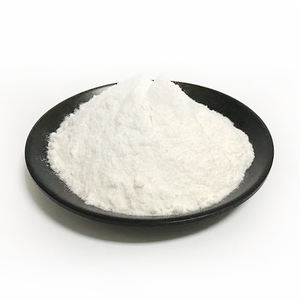
The magic really happens when fibers meet advanced admixtures. Whether it’s steel fibers for concrete, coconut fiber reinforced concrete, or synthetic polypropylene fiber concrete, each reinforcement type interacts uniquely with chemical additives.
- Polypropylene fibre improves impact resistance and reduces plastic shrinkage cracks—especially when combined with a water reducer.
- Carbon fiber reinforcement in concrete enhances tensile strength but requires highly fluid mixes, making PCE superplasticizer essential.
- Even natural options like coconut fibre concrete benefit from air entraining cement formulas to prevent fiber degradation in wet conditions.
This synergy allows brands like Hardie concrete siding and Certainteed concrete siding to offer products that are lighter, stronger, and more versatile than ever.
5. Real-World Impact: Cost, Sustainability, and Performance
Thanks to optimized admixture types, modern concrete siding costs have stabilized despite rising material prices. Home Depot concrete siding options now include panels with built-in waterproofing admixture and fiber reinforcement, offering better value per square foot.
Environmentally, reduced water content (via concrete water reducer tech) lowers the carbon footprint of production. Plus, the longevity of properly formulated fiberfor concrete mix means fewer replacements—and less waste—over a building’s lifetime.
6. Conclusion
From superplasticizer admixture enabling ultra-thin profiles to crystalline waterproofing admixture ensuring decades of weather resistance, admixtures are the unsung heroes behind today’s high-performance concrete siding. As demand grows for sustainable, beautiful, and resilient home exteriors, the marriage of fiber reinforcement and smart concrete chemicals will only get stronger. Whether you’re a builder, architect, or homeowner, understanding these advanced admixture types helps you choose the best admixture for concrete—ensuring your siding doesn’t just look good, but lasts generations.
Our Website founded on October 17, 2012, is a high-tech enterprise committed to the research and development, production, processing, sales and technical services of ceramic relative materials such as How. Our products includes but not limited to Boron Carbide Ceramic Products, Boron Nitride Ceramic Products, Silicon Carbide Ceramic Products, Silicon Nitride Ceramic Products, Zirconium Dioxide Ceramic Products, etc. If you are interested, please feel free to contact us.