Concrete-mesa | Concrete Admixtures, Tools, and Production Machines

How to Choose and Use the Best Concrete Admixtures for Every Construction Challenge
1. Introduction
In the past 48 hours, a major infrastructure project in Texas reported significant delays due to premature concrete setting caused by incorrect admixture selection under high-temperature conditions. This incident underscores the critical importance of understanding and correctly applying concrete admixtures—a topic gaining urgent attention among contractors and civil engineers nationwide.
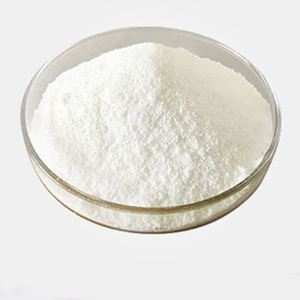
Concrete admixtures are essential chemical or mineral additives that modify the properties of fresh or hardened concrete to meet specific performance requirements. Whether you’re aiming to reduce water content, accelerate curing, enhance durability, or achieve aesthetic finishes, choosing the right admixture can make or break your project. This guide walks you through a systematic approach to selecting, using, and troubleshooting the most common types of admixtures used in concrete today.
2. Understanding Admixture Types and Their Functions
Before application, it’s crucial to understand the primary categories of concrete admixtures and their intended effects. Admixtures fall into two broad groups: chemical and mineral. Chemical admixtures include water reducers, accelerators, retarders, air-entraining agents, and superplasticizers. Mineral admixtures—such as fly ash, silica fume, and ground granulated blast-furnace slag—improve long-term strength and durability.
- Water reducing admixtures lower the water-cement ratio without sacrificing workability, enhancing strength and durability.
- Superplasticizer admixture (also called high-range water reducers) dramatically increase fluidity while maintaining low water content—ideal for self-consolidating or high-strength concrete.
- Concrete accelerator speeds up setting time, useful in cold weather or fast-track projects.
- Concrete retarder admixture delays hydration, beneficial in hot climates or for long hauls.
- Air entraining admixture introduces microscopic air bubbles to improve freeze-thaw resistance.
- Waterproofing admixture (including crystalline waterproofing admixture and integral waterproofer) blocks moisture penetration within the concrete matrix.
3. Step-by-Step Guide to Selecting the Right Admixture
3.1. Assess Project Requirements
Begin by evaluating environmental conditions, structural demands, and aesthetic goals. For example, if you’re pouring a driveway in Minnesota, an air entraining concrete admixture is non-negotiable for freeze-thaw resistance. In contrast, a high-rise in Dubai may prioritize superplasticizer in concrete to enable pumpable, high-strength mixes.
3.2. Match Admixture to Performance Need
Use this quick-reference table:
- Need high flow without extra water? → Use polycarboxylate ether superplasticizer (a type of superplasticizer).
- Pouring in summer heat? → Add a concrete retarder admixture or surface retarder concrete for decorative finishes.
- Building a basement or water tank? → Specify a concrete waterproofing additive like a crystalline waterproofing admixture.
- Enhancing crack resistance? → Incorporate fibers for concrete (e.g., polypropylene fibres for concrete or steel fibers for concrete).
3.3. Verify Compatibility and Dosage
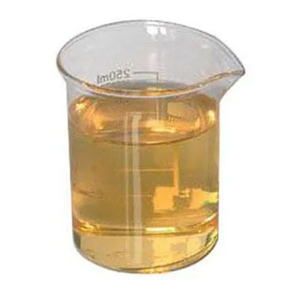
Always consult the manufacturer’s technical data sheet. Overdosing a superplasticizer can cause segregation; underdosing a concrete accelerator may not achieve desired early strength. Test trial batches before full-scale use, especially when combining multiple concrete chemicals.
4. Common Problems and Practical Solutions
4.1. Segregation or Bleeding
Often caused by excessive water reducer or improper superplasticizer dosage. Solution: Reduce admixture dose or switch to a mid-range water reducer with better cohesion control.
4.2. Delayed Setting in Cold Weather
Even with standard mix designs, low temperatures slow hydration. Remedy: Use accelerating admixtures for concrete, such as calcium chloride-free concrete accelerator to avoid corrosion risks.
4.3. Poor Surface Finish on Stamped Concrete
When coloring and stamping, inadequate release agent leads to pattern sticking. Always use a quality concrete form release agent—powder or spray—and pair with compatible colored concrete powder for consistent stamped concrete colors.
4.4. Moisture Penetration Despite Waterproofing Claims
Not all waterproof admix are equal. Cement waterproofing additive based on crystalline technology outperforms surface sealers in long-term protection. Ensure proper curing after using admixture waterproofing.
5. Specialized Applications and Emerging Trends
5.1. Fiber-Reinforced Concrete
For enhanced toughness, consider fiber reinforced concrete using macro fibers or microfibers. Options include polypropylene fibre, steel fiber reinforced concrete, or even sustainable coconut fiber reinforced concrete. These reduce plastic shrinkage cracks and improve impact resistance—ideal for industrial floors or seismic zones.
5.2. Lightweight and Foamed Concrete
Using a concrete foaming agent (e.g., protein-based or synthetic foaming agent for concrete) creates cellular concrete with reduced density. Critical for CLC blocks or insulation fills—ensure uniform foam stability with a reliable CLC foaming agent.
5.3. Aesthetic Finishes
Modern concrete siding, including Hardie concrete siding or fiber cement siding that mimics wood, often incorporates white cement and tinted concrete additives. For countertops or architectural elements, white Portland cement paired with a superplasticizer yields smooth, bright surfaces.
6. Conclusion
Selecting and applying the best admixture for concrete requires balancing chemistry, environment, and engineering goals. By understanding admixture types—from super plasticizers and concrete retarder to air entraining agent and waterproof admix—you can prevent costly errors and enhance performance. Always prioritize compatibility testing, follow dosage guidelines, and stay updated on innovations like PCE-based superplasticizers or crystalline waterproofing systems. With the right approach, admixtures transform ordinary concrete into a high-performance, resilient, and versatile building material.
Our Website founded on October 17, 2012, is a high-tech enterprise committed to the research and development, production, processing, sales and technical services of ceramic relative materials such as How. Our products includes but not limited to Boron Carbide Ceramic Products, Boron Nitride Ceramic Products, Silicon Carbide Ceramic Products, Silicon Nitride Ceramic Products, Zirconium Dioxide Ceramic Products, etc. If you are interested, please feel free to contact us.