Concrete4U | Concrete Admixtures, Tools, and Production Machines

Choose the Right Admixtures for High-Performance Concrete
1. Introduction
Just 24 hours ago, a major infrastructure project in Texas announced it would use advanced polycarboxylate-based superplasticizers to achieve ultra-high-strength concrete with minimal water content—highlighting how modern admixtures are reshaping construction standards. As sustainability and performance demands grow, understanding concrete admixtures has never been more critical.
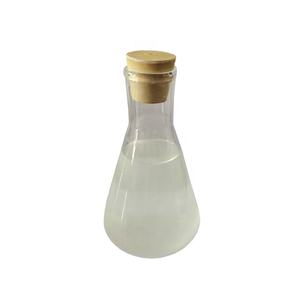
Admixtures—also called concrete additives or chemical admixtures for concrete—are ingredients added to concrete besides cement, water, and aggregates to modify its properties. Whether you’re aiming for faster curing, better workability, or enhanced durability, the right admixture can make all the difference.
2. Superplasticizers: The Game-Changer in Workability
Superplasticizers (or high-range water reducers) are among the most widely used concrete admixtures today. They drastically reduce water content while maintaining flowability—ideal for high-strength or self-consolidating concrete.
Two dominant chemistries dominate this space: naphthalene-based superplasticizers and polycarboxylate ether (PCE) superplasticizers.
- Naphthalene sulfonate-based superplasticizers offer strong initial slump retention but can lose effectiveness over time and may cause higher air entrainment unintentionally.
- Polycarboxylate ether (PCE) superplasticizers provide superior slump retention, lower dosage requirements, and better compatibility with modern cements. They’re considered the best superplasticizer for concrete in precision applications like precast or high-rise construction.
Both fall under water reducing admixtures, but PCE-based options are increasingly preferred due to their eco-friendlier profile and adaptability.
3. Setting Time Control: Accelerators vs. Retarders
Concrete accelerator and concrete retarder admixtures give contractors control over curing timelines—a crucial factor in extreme weather or complex pours.
Accelerating admixtures for concrete, like calcium chloride or non-chloride alternatives, shorten setting time and boost early strength—perfect for fast curing concrete additives in cold climates.
On the flip side, concrete retarder admixtures delay hydration, useful in hot weather or for large continuous pours. Surface retarder concrete is even used decoratively to expose aggregates.
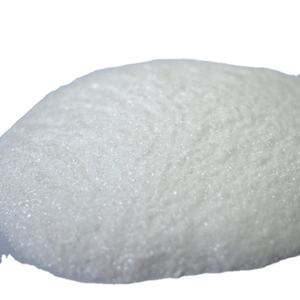
Choosing between them depends on ambient conditions, formwork schedule, and structural requirements—not one-size-fits-all.
4. Durability Boosters: Air Entraining and Waterproofing
Air entraining concrete improves freeze-thaw resistance by creating microscopic air bubbles that act as pressure relief valves during ice expansion. An air entraining admixture (or air entraining agent) is essential in northern climates.
Meanwhile, waterproofing admixtures protect against moisture ingress. Options include:
- Integral waterproofer types that block capillary pores
- Crystalline waterproofing admixture that reacts with water to form insoluble crystals
- Cement waterproofing additive variants for basements or water tanks
These concrete waterproofing additives are often confused with surface sealers—but they work from within, offering long-term protection without maintenance.
5. Fiber Reinforcement: Beyond Steel
Fiber reinforced concrete is gaining traction as a secondary reinforcement method. Unlike traditional rebar, fibers distribute stress evenly and reduce cracking.
Common types include:
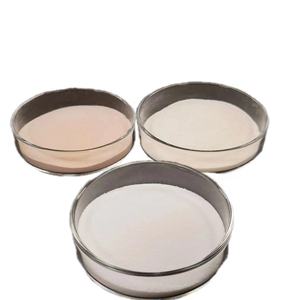
- Polypropylene fibres for concrete: cost-effective, control plastic shrinkage
- Steel fibers for concrete: enhance post-crack load capacity in industrial floors
- Carbon fiber reinforcement in concrete: ultra-high performance but expensive
- Even sustainable options like coconut fiber reinforced concrete are emerging in niche applications
Fibers for concrete come as macro or micro varieties, and products like Fibermesh concrete integrate them directly into the mix. Note: concrete fiber siding (e.g., Hardie or CertainTeed brands) uses fiber cement panels—not the same as fiber-reinforced structural concrete.
6. Specialty Additives: Foaming Agents, Color, and Release
Beyond performance, admixtures enable aesthetic and functional customization.
Foaming agents for foam concrete create lightweight cellular concrete (aircrete), used in CLC blocks. Protein-based and synthetic foaming agents each have trade-offs in stability and cost.
Colored concrete relies on pigments and release agents—like powder release agent for concrete or water-based release sprays—to achieve stamped concrete colors and patterns without sticking to molds.
White cement, often paired with superplasticizer for flow, enables bright finishes for countertops or architectural elements.
7. Choosing the Best Admixture for Concrete
There’s no universal ‘best admixture for concrete’—only the right one for your project. Consider:
- Environmental exposure (freeze-thaw? wet? hot?)
- Required strength and workability
- Curing timeline constraints
- Sustainability goals
Always consult technical data sheets and consider reputable brands like Chryso admixture for engineered solutions.
8. Conclusion
From superplasticizer in concrete to crystalline waterproofing admixture and polypropylene fibre reinforcement, modern admixtures empower builders to push performance boundaries. Understanding admixture types—whether chemical or mineral—ensures smarter, more durable, and efficient construction. Always match the admixture to the mission.
Our Website founded on October 17, 2012, is a high-tech enterprise committed to the research and development, production, processing, sales and technical services of ceramic relative materials such as Choose. Our products includes but not limited to Boron Carbide Ceramic Products, Boron Nitride Ceramic Products, Silicon Carbide Ceramic Products, Silicon Nitride Ceramic Products, Zirconium Dioxide Ceramic Products, etc. If you are interested, please feel free to contact us.