Concrete4U | Concrete Admixtures, Tools, and Production Machines

How to Choose and Use the Best Concrete Admixtures for Your Project
1. Introduction
Just 24 hours ago, a major infrastructure project in Texas halted due to unexpected cold weather delaying concrete curing—a problem easily avoidable with the right concrete accelerator. This real-world hiccup highlights how critical admixtures are in modern construction. Whether you’re pouring a backyard patio or building a high-rise, understanding concrete admixtures can save time, money, and headaches.
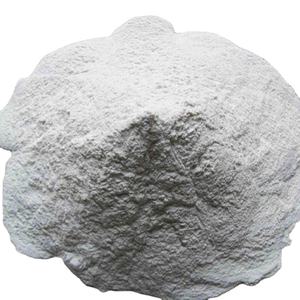
Admixtures—also called concrete additives—are chemical, mineral, or fibrous materials added to concrete before or during mixing to enhance its properties. From improving flow with a superplasticizer to boosting freeze-thaw resistance with an air entraining agent, these ingredients do far more than just ‘mix in.’
2. Understanding Common Admixture Types
Not all admixtures are created equal. The American Concrete Institute (ACI) classifies them into several key categories based on function:
- Water reducing admixtures (including mid-range and high-range types like superplasticizers)
- Accelerating admixtures for faster setting
- Retarding admixtures to delay hardening in hot weather
- Air entraining admixtures that create microscopic air bubbles
- Waterproofing admixtures like integral waterproofer or crystalline waterproofing admixture
- Fiber reinforcement (polypropylene, steel, or coconut fiber for concrete)
Each type serves a specific purpose, and many projects benefit from combining multiple admixture types.
3. Step-by-Step: Selecting the Right Admixture for Your Job
Start by identifying your primary challenge. Is your mix too stiff? Too slow to cure? Prone to cracking or water damage?
If workability is low, consider a plasticizer for concrete or, better yet, a superplasticizer admixture like polycarboxylate ether (PCE)—the best superplasticizer for concrete today due to its high efficiency and low dosage requirements.
For cold-weather pours, use accelerating admixtures for concrete to shorten curing time. Products like Chryso admixture offer reliable performance and are widely available at suppliers like Home Depot.
In hot climates or long-haul deliveries, a concrete retarder admixture (or surface retarder concrete for decorative finishes) keeps the mix workable longer.
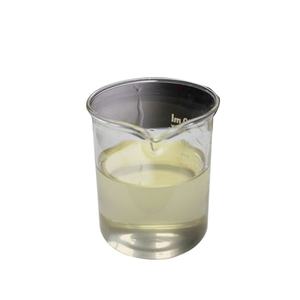
Need waterproofing? Choose between cement waterproofing additive for general protection or a crystalline waterproofing admixture for deep, self-healing barriers.
4. How to Properly Mix and Apply Admixtures
Always follow manufacturer instructions—but here’s a universal checklist:
- Never add admixtures directly to dry cement. Always dilute liquid types in mix water first.
- Add superplasticizer in concrete after initial mixing for maximum dispersion.
- For fiber reinforced concrete, slowly introduce fibers (like polypropylene fibres for concrete or steel fibers for concrete) during agitation to prevent clumping.
- When using foaming agents for foam concrete (e.g., protein-based foaming agent or CLC foaming agent), ensure your concrete foaming machine is calibrated to produce stable, uniform bubbles.
Overdosing is a common mistake. Even the best admixture for concrete can weaken your mix if used incorrectly. Stick to recommended dosages—typically 0.1% to 2% by weight of cement.
5. Troubleshooting Common Problems
Problem: Concrete is segregating or bleeding excessively.
Solution: You may have overused a water reducer. Try a mid-range water reducer instead of a high-range superplasticizer, or add a viscosity-modifying admixture.
Problem: Surface scaling after winter.
Solution: Likely insufficient air entraining. Use an air entraining admixture to achieve 4–7% entrained air for freeze-thaw durability.
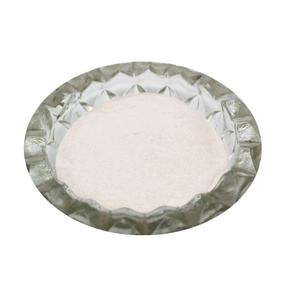
Problem: Cracks appearing within 24 hours.
Solution: Consider adding reinforcement fiber for concrete mix—macro fibers or microfibers like PP fiber concrete help control plastic shrinkage.
Problem: Water seeping through basement walls.
Solution: Switch to a waterproof admix like a concrete waterproofing additive with crystalline technology for long-term protection.
6. Special Considerations for Decorative and Colored Concrete
Working with stamped or colored concrete? Don’t forget release agents. Use a water-based release agent or powder release agent for concrete to prevent stamps from sticking while adding subtle color accents.
For white concrete countertops or architectural elements, pair white Portland cement with a superplasticizer to maintain fluidity without adding excess water—which can dull the finish.
When aiming for wood-like aesthetics with concrete siding (e.g., Hardie or CertainTeed concrete siding), ensure your mix includes fiber reinforcement for impact resistance and reduced cracking.
7. Conclusion
Concrete admixtures aren’t optional extras—they’re essential tools for modern builders. Whether you’re using a simple concrete water reducer or advanced PCE-based superplasticizer, the right admixture used correctly transforms ordinary concrete into a high-performance material. Always match the admixture to your environmental conditions, structural needs, and aesthetic goals. With this guide, you’re ready to mix smarter, not harder.
Our Website founded on October 17, 2012, is a high-tech enterprise committed to the research and development, production, processing, sales and technical services of ceramic relative materials such as How. Our products includes but not limited to Boron Carbide Ceramic Products, Boron Nitride Ceramic Products, Silicon Carbide Ceramic Products, Silicon Nitride Ceramic Products, Zirconium Dioxide Ceramic Products, etc. If you are interested, please feel free to contact us.