Concrete-mesa | Concrete Admixtures, Tools, and Production Machines

Master the Power of Admixtures: Boost Your Concrete’s Performance Today
1. Introduction
Just 24 hours ago, a major breakthrough in sustainable concrete technology made headlines: researchers at MIT unveiled a new bio-based superplasticizer that reduces cement use by up to 30% while maintaining high strength—ushering in a greener era for construction. This innovation highlights why understanding admixtures is more critical than ever.
Admixtures are game-changers in modern concrete. Whether you’re pouring a driveway, building a skyscraper, or crafting decorative stamped concrete, the right admixture can dramatically improve performance, longevity, and even appearance. Let’s break down everything you need to know about these essential concrete chemicals.
2. What Are Admixtures?
Admixtures—sometimes called ad mixtures—are ingredients added to concrete before or during mixing to modify its properties. They’re not part of the core recipe (cement, water, aggregates), but they fine-tune how concrete behaves during placement, curing, and service life.
From speeding up curing time to making concrete waterproof or more flexible, admixtures solve real-world challenges on job sites worldwide. The best admixture for concrete depends entirely on your project’s needs.
3. Major Types of Concrete Admixture
Concrete admixture types fall into two broad categories: chemical and mineral admixtures. Chemical admixtures include liquids or powders that alter hydration or rheology, while mineral admixtures (like fly ash or silica fume) enhance long-term strength and durability.
Here’s a quick look at common admixture types used in concrete:
- Water reducing admixtures (including mid-range and high-range water reducers)
- Superplasticizers (also called super plasticizers or high-range water reducers)
- Concrete accelerators and retarders
- Air entraining admixtures
- Waterproofing admixtures
- Fiber reinforcements
- Foaming agents for lightweight concrete
4. Superplasticizers: The Workability Wizards
Superplasticizer in concrete is one of the most widely used chemical admixtures today. Also known as plasticizer for concrete or concrete plasticiser, it drastically increases flow without adding extra water—critical for high-strength or self-consolidating mixes.
Modern superplasticizer admixtures are often based on polycarboxylate ether (PCE), offering superior performance over older naphthalene or melamine-based versions. PCE superplasticizers provide better slump retention, lower dosage requirements, and compatibility with various cements.
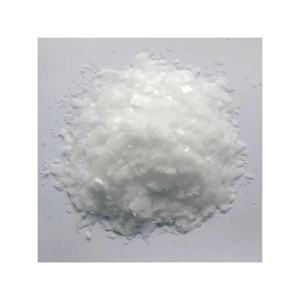
Whether labeled as polycarboxylate superplasticizer, PCE plasticizer, or concrete water reducer, these additives help achieve smoother finishes, easier pumping, and reduced permeability—all while cutting water content by 20–40%.
5. Setting Time Control: Accelerators & Retarders
Need fast curing concrete additives? Concrete accelerator admixtures shorten setting time and boost early strength—ideal for cold-weather pours or emergency repairs. They reduce concrete accelerator curing time significantly, sometimes allowing formwork removal in under 24 hours.
On the flip side, a concrete retarder (or admixture retarder) delays hydration, useful in hot climates or for complex placements where extended workability is needed. Surface retarder concrete products even allow decorative stamping by keeping the surface soft longer.
6. Air Entraining & Durability Boosters
Air entraining concrete contains microscopic air bubbles created by an air entraining agent or air entraining admixture. These bubbles act as pressure relief valves during freeze-thaw cycles, preventing cracking and spalling.
Air entraining cement isn’t a separate product—it’s regular cement mixed with an air-entraining admixture. This simple addition dramatically improves concrete’s resistance to weathering, especially in northern climates.
7. Waterproofing Solutions
Waterproofing admixture options range from integral waterproofer types to crystalline waterproofing admixture systems. A concrete waterproofing additive or cement waterproofing additive reacts internally to block capillary pores, offering permanent protection without surface membranes.
Popular choices include waterproof admix products that turn standard concrete into a moisture barrier—perfect for basements, tanks, or foundations. Look for terms like admixture waterproofing or concrete waterproof admix when sourcing materials.
8. Fiber Reinforcement: Beyond Steel
Fibers for concrete—like polypropylene fibres for concrete, steel fibers for concrete, or even coconut fiber reinforced concrete—add tensile strength and crack control. Fiber reinforced concrete is now standard in slabs, overlays, and industrial floors.
Macro fibers, microfibers, and carbon fiber reinforcement in concrete all serve different purposes. PP fiber concrete resists plastic shrinkage cracks, while steel fiber reinforced concrete enhances impact resistance. Brands like Fibermesh offer ready-to-use solutions.
Note: Concrete fiber siding (also called fibercement siding or concrete siding) uses similar fiber-reinforced technology but is a pre-manufactured cladding product—not poured on-site.
9. Specialty Additives: Color, Release, and Foam
Colored concrete relies on pigments and release agents. Stamped concrete colors—from charcoal to terra cotta—are applied using colored concrete powder and concrete stamp release agents (spray or powder).
For lightweight applications, a concrete foaming agent creates aircrete or CLC (cellular lightweight concrete). Protein-based or synthetic foaming agents produce stable foam for blocks or insulation fills. CLC foaming agent price varies, but efficiency gains often justify the cost.
White cement is another niche additive, prized for white concrete countertops, decorative elements, or bright mortar joints. It’s not just aesthetic—white portland cement also offers good sulfate resistance.
10. Choosing the Right Admixture
With so many concrete additives available—from Chryso admixture lines to home depot concrete siding sealers—it’s vital to match the product to your goal. Ask:
- Do I need better flow? → Go for a superplasticizer or water reducer.
- Is freeze-thaw a concern? → Use an air entraining admixture.
- Need waterproofing? → Consider crystalline or integral waterproofing admixture.
- Want crack resistance? → Add polypropylene or steel fibers.
Always follow manufacturer guidelines and test trial batches. Even the best admixture for concrete can cause issues if overdosed or misapplied.
11. Conclusion
Admixtures have transformed concrete from a basic building material into a high-performance, customizable solution. Whether you’re using a superplasticizer admixture to pour ultra-thin walls or a concrete retarder admixture to perfect your stamped patio, these additives unlock precision, durability, and creativity. Stay informed, experiment wisely, and let chemistry do the heavy lifting.
Our Website founded on October 17, 2012, is a high-tech enterprise committed to the research and development, production, processing, sales and technical services of ceramic relative materials such as Master. Our products includes but not limited to Boron Carbide Ceramic Products, Boron Nitride Ceramic Products, Silicon Carbide Ceramic Products, Silicon Nitride Ceramic Products, Zirconium Dioxide Ceramic Products, etc. If you are interested, please feel free to contact us.