Concrete4U | Concrete Admixtures, Tools, and Production Machines

How to Choose and Use the Best Concrete Admixtures for Your Project
1. Introduction
Just 24 hours ago, a major construction firm in Texas reported significant delays due to unexpected cold weather slowing concrete curing on a highway expansion project. Their solution? Switching to accelerating admixtures for concrete to maintain schedule integrity—a real-world reminder of how critical the right admixture can be. Whether you’re pouring a driveway, building a foundation, or crafting decorative stamped concrete, understanding concrete admixtures is essential for performance, durability, and cost-efficiency.
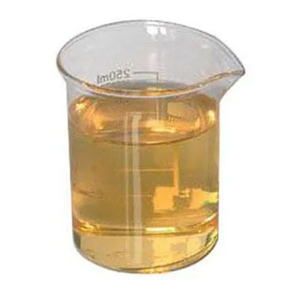
Concrete admixtures—also called concrete additives or cement admixtures—are chemical, mineral, or fibrous materials added to concrete before or during mixing to enhance its properties. From improving flow with a superplasticizer to adding freeze-thaw resistance with an air entraining agent, the right choice makes all the difference.
2. Understand Common Admixture Types
Before buying any product labeled ‘admixtures,’ know what each type does. The main categories include:
- Water reducing admixtures (like superplasticizers) improve workability without adding water.
- Concrete retarders delay setting time—ideal for hot weather or complex pours.
- Concrete accelerators speed up curing, especially useful in cold conditions.
- Air entraining admixtures introduce tiny air bubbles for frost resistance.
- Waterproofing admixtures (including crystalline waterproofing admixture and integral waterproofer) block moisture penetration.
- Fiber reinforcement (polypropylene fibres for concrete, steel fibers, etc.) reduces cracking and boosts tensile strength.
3. Step-by-Step: Selecting the Right Admixture
Start by identifying your primary challenge. Is your mix too stiff? Are you battling rain or freezing temps? Here’s how to match your need to the best admixture for concrete:
3.1 Need Better Flow Without Extra Water?
Use a superplasticizer in concrete—specifically a polycarboxylate ether (PCE) based superplasticizer. These high-range water reducers can cut water content by 30% while maintaining slump. Look for terms like ‘superplasticizer admixture’ or ‘concrete water reducer’ on the label. Brands like Chryso offer reliable options widely available at suppliers including Home Depot.
3.2 Pouring in Hot Weather?
Add a concrete retarder admixture or surface retarder concrete to prevent premature hardening. This gives you more time to finish large slabs or intricate stamped concrete patterns without cold joints.
3.3 Working in Cold Conditions?
Choose accelerating admixtures for concrete to reduce curing time. A concrete accelerator curing time of under 6 hours is achievable with modern fast curing concrete additives—just avoid calcium chloride if reinforcing steel is present due to corrosion risks.
3.4 Worried About Cracking?
Incorporate fibers for concrete like polypropylene fibre or macro fibers. These act as secondary reinforcement, minimizing plastic shrinkage cracks. For structural applications, consider steel fiber reinforced concrete or carbon fiber reinforcement in concrete.
3.5 Need Waterproofing?
Opt for a waterproofing admixture for concrete such as a crystalline waterproofing admixture or cement waterproofing additive. Unlike surface sealers, these integral additives react within the matrix to block capillary pores permanently.
4. Mixing and Dosage Tips
Always follow manufacturer instructions. Overdosing a superplasticizer can cause segregation; too little air entraining agent won’t provide freeze-thaw protection. General guidelines:
- Superplasticizer: 0.5–2% by weight of cement.
- Air entraining admixture: aim for 4–7% air content in freeze-prone zones.
- Fibers: typically 0.5–1.0 kg per cubic meter of concrete.
Add liquid admixtures to mixing water first. Dry powders (like colored concrete powder or release agents) should be blended thoroughly with aggregates before adding cement.
5. Common Mistakes to Avoid
- Using a plasticizer for concrete when you actually need a superplasticizer—regular plasticizers offer only mid-range water reduction.
- Confusing surface-applied waterproofing with integral waterproof admix. The latter works from within.
- Ignoring compatibility: some superplasticizers interact poorly with certain cements or other concrete chemicals. Test small batches first.
- Skipping air testing: if you’re using air entraining cement or an air entraining concrete mix, verify air content with a pressure meter.
6. Special Applications
For decorative projects like stamped and colored concrete, combine a water reducer with a concrete release agent (powder or spray) to prevent sticking and add accent colors. When using white cement for countertops or pavers, pair it with a compatible superplasticizer to maintain brightness and flow.
Foam concrete enthusiasts should use a quality foaming agent for foam concrete—protein-based or synthetic—along with a stabilizer to prevent collapse. CLC foaming agent price varies, but performance matters more than cost.
7. Conclusion
Choosing the right admixture used in concrete isn’t just about following a recipe—it’s about solving real-world problems before they happen. Whether you need a concrete waterproof admix, a reliable concrete accelerator, or fiberfor concrete mix reinforcement, understanding admixture types and their proper use ensures stronger, longer-lasting results. Always test new combinations on a small scale, and never guess on dosage. With the right concrete additives, your next pour could be your best one yet.
Our Website founded on October 17, 2012, is a high-tech enterprise committed to the research and development, production, processing, sales and technical services of ceramic relative materials such as How. Our products includes but not limited to Boron Carbide Ceramic Products, Boron Nitride Ceramic Products, Silicon Carbide Ceramic Products, Silicon Nitride Ceramic Products, Zirconium Dioxide Ceramic Products, etc. If you are interested, please feel free to contact us.