Concrete4U | Concrete Admixtures, Tools, and Production Machines

Master the Mix: Understand Every Type of Concrete Admixture for Stronger, Smarter Builds
1. Introduction
Just 24 hours ago, a major construction materials supplier announced a breakthrough in eco-friendly polycarboxylate ether (PCE) superplasticizers that reduce water usage by up to 40% while enhancing early-strength development—reigniting global interest in high-performance concrete admixtures. As sustainability and efficiency drive modern construction, understanding admixtures has never been more critical.
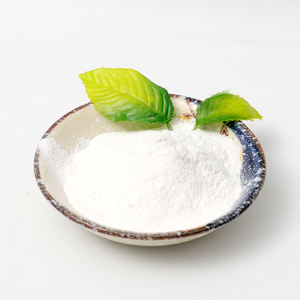
Whether you’re pouring a driveway, building high-rises, or crafting decorative stamped concrete, admixtures are the secret sauce behind stronger, faster, and more resilient structures. Let’s dive into everything you need to know about concrete admixtures—their types, uses, and real-world benefits.
2. What Are Admixtures?
Admixtures—sometimes spelled ‘ad mixtures’—are chemical or mineral additives mixed into concrete during batching to modify its properties. These concrete chemicals can improve workability, accelerate or delay setting time, enhance durability, or add special features like waterproofing or color.
Used in virtually every modern concrete project, admixtures allow engineers to fine-tune performance without altering the basic cement-aggregate-water ratio. From skyscrapers to backyard patios, the right admixture used in concrete makes all the difference.
3. Major Types of Concrete Admixtures
3.1. Water-Reducing Admixtures
Water reducing admixtures—also called concrete water reducers—are among the most common. They decrease the water content needed for a given slump, boosting strength and durability. These include mid-range and high-range water reducers, with superplasticizers falling into the latter category.
Superplasticizer in concrete (often labeled as super plasticizers or PCE-based superplasticizer) is a game-changer. Made from polycarboxylate ether, naphthalene, or melamine sulfonates, superplasticizer admixture delivers extreme fluidity without segregation—ideal for self-consolidating or high-strength concrete.
- Best superplasticizer for concrete includes polycarboxylate ether (PCE) types due to their low dosage and compatibility with modern cements.
- Superplasticizer price varies by chemistry, but PCE-based options offer long-term value through reduced cement use and faster formwork turnover.
3.2. Set-Modifying Admixtures
Concrete retarder admixtures slow hydration, useful in hot weather or for long hauls. Surface retarder concrete is often used for exposed-aggregate finishes.
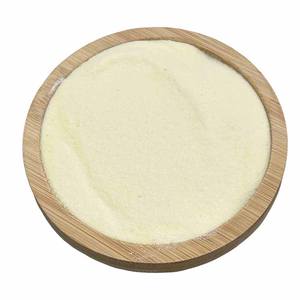
On the flip side, accelerating admixtures for concrete—like concrete accelerator curing time reducers—speed up early strength gain. These fast curing concrete additives are essential in cold climates or when quick turnaround is needed.
3.3. Air-Entraining Admixtures
Air entraining concrete contains microscopic air bubbles created by air entraining admixture (or air entraining agent). This improves freeze-thaw resistance and workability, especially in northern climates.
Air entraining cement isn’t a separate product—it’s regular cement with an added air-entraining admixture during mixing. Look for terms like ‘air entraining’ on spec sheets to ensure proper protection.
3.4. Waterproofing and Integral Additives
Waterproofing admixture for concrete comes in several forms. Crystalline waterproofing admixture reacts with moisture to form insoluble crystals that block capillaries. Integral waterproofer and cement waterproofing additive provide internal protection without surface coatings.
Concrete waterproof admix, waterproof admix, and admixture waterproofing are vital for basements, tunnels, and water tanks. Unlike topical sealers, these concrete additives become part of the matrix itself.
3.5. Mineral Admixtures
Mineral admixture includes fly ash, slag, and silica fume. These pozzolanic materials enhance long-term strength, reduce heat of hydration, and improve sustainability by replacing part of the Portland cement.
Though not chemical admixtures, they’re often grouped under concrete admixture types due to their functional impact.
4. Specialty Additives and Modern Innovations
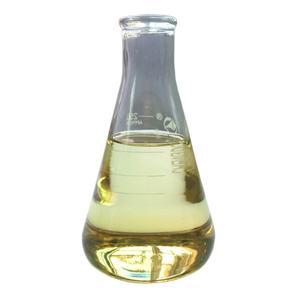
4.1. Fiber Reinforcement
Fibers for concrete—like polypropylene fibres for concrete, steel fibers for concrete, or even coconut fiber reinforced concrete—add tensile strength and crack control. Fiber reinforced concrete is now standard in industrial floors, shotcrete, and seismic zones.
Macro fibers, pp fiber concrete, and carbon fiber reinforcement in concrete offer varying levels of performance. Fibermesh concrete uses synthetic fibers to replace light rebar in slabs.
Note: Concrete fiber siding (also called fibercement siding or cement house siding) is a different product—used for exterior cladding, not structural concrete.
4.2. Foaming Agents for Lightweight Concrete
Foaming agent for foam concrete creates cellular lightweight concrete (CLC). CLC foaming agent—often protein-based or synthetic—produces aircrete used in blocks, insulation, and void filling.
Best foaming agent for aircrete depends on stability and bubble size. Prices vary, but quality agents ensure uniform density and strength in foamcrete machine output.
4.3. Color and Release Agents
Colored concrete relies on pigments mixed in or applied via stamped concrete colors. Powder concrete colorants and tinted concrete create everything from charcoal stamped concrete to terra cotta concrete color.
Concrete release agent—like spray release agent or powder release agent—prevents stamps from sticking. Water-based release agent and mold release oil are common for patterned concrete colours and DIY projects.
4.4. White Cement Applications
White cement—used for white concrete countertops, white concrete pavers, or aesthetic facades—often pairs with superplasticizer to maintain flow without graying. Waterproof white cement blends are gaining traction for decorative yet durable surfaces.
5. Choosing the Best Admixture for Concrete
The best admixture for concrete depends on your project goals: strength, speed, durability, or looks. Brands like Chryso admixture offer tailored solutions, but always check compatibility with your cement type.
For general use, a high-range water reducer (superplasticizer) combined with polypropylene fiber offers excellent all-around performance. For wet environments, crystalline waterproofing admixture is unmatched.
6. Conclusion
From superplasticizer admixture to fiberfor concrete mix and integral waterproofers, modern admixtures empower builders to do more with less. Understanding concrete admixture types—whether you’re selecting a concrete retarder, accelerator, or air entraining agent—ensures smarter, longer-lasting results. As new formulations like eco-PCE superplasticizers hit the market, staying informed keeps your builds ahead of the curve.
Our Website founded on October 17, 2012, is a high-tech enterprise committed to the research and development, production, processing, sales and technical services of ceramic relative materials such as Master. Our products includes but not limited to Boron Carbide Ceramic Products, Boron Nitride Ceramic Products, Silicon Carbide Ceramic Products, Silicon Nitride Ceramic Products, Zirconium Dioxide Ceramic Products, etc. If you are interested, please feel free to contact us.