Concrete-mesa | Concrete Admixtures, Tools, and Production Machines

How Do You Choose and Use the Right Admixtures for Your Concrete Project?
1. Introduction
Ever poured concrete only to find it’s too stiff, sets too fast, or cracks after drying? You’re not alone. The secret to high-performance, durable concrete often lies in the right admixtures. Concrete admixtures—also called concrete additives or ad mixtures—are chemical or mineral ingredients added to concrete mixes to enhance workability, strength, curing time, or durability. With dozens of options like superplasticizer, air entraining admixture, concrete accelerator, and integral waterproofer, choosing the right one can feel overwhelming. This step-by-step guide breaks it all down so you can confidently select and use the best admixture for concrete on your next project.
2. Understanding Admixture Types
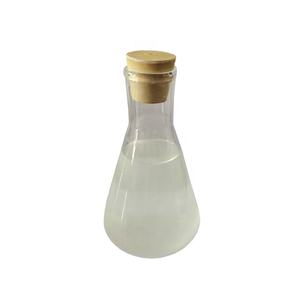
Before diving into usage, it helps to know what’s out there. Admixture types fall into two broad categories: chemical admixtures and mineral admixtures. Chemical admixtures include liquid or powder additives like superplasticizers, retarders, and air-entraining agents. Mineral admixtures—such as fly ash or silica fume—are finely ground materials that improve long-term strength and reduce permeability.
- Water reducing admixtures (including mid-range and high-range types like polycarboxylate ether superplasticizer) boost flow without adding extra water.
- Concrete accelerator and accelerating admixtures for concrete shorten curing time—ideal for cold weather or fast-track jobs.
- Concrete retarder and admixture retarder slow setting, useful in hot climates or for complex pours.
- Air entraining concrete uses air entraining admixture or air entraining agent to create microscopic bubbles that improve freeze-thaw resistance.
- Waterproofing admixture options include crystalline waterproofing admixture, cement waterproofing additive, and concrete waterproof admix for basements or wet areas.
3. Step-by-Step: How to Select the Right Admixture
3.1. Identify Your Concrete Challenge
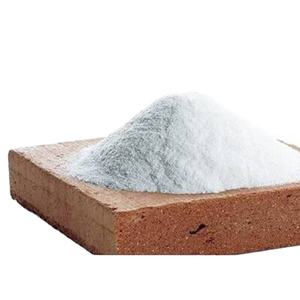
Ask yourself: What problem are you solving? Is your mix too dry? Does it need to set faster? Are you building in a freezing climate? Match your issue to an admixture function. For example, if you need better flow without weakening the mix, a superplasticizer in concrete (like PCE-based superplasticizer) is ideal. If you’re pouring a driveway in winter, consider a concrete accelerator to control concrete accelerator curing time.
3.2. Check Compatibility and Dosage
Not all admixtures play well together. Always consult the manufacturer’s bio data sheet for compatibility info. Overdosing a plasticizer for concrete or super plasticizers can cause segregation or excessive bleeding. Typical dosages range from 0.1% to 2% by weight of cement—follow label instructions precisely.
3.3. Consider Environmental Conditions
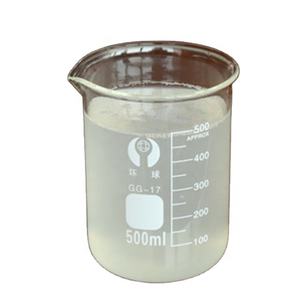
Hot weather? Use a concrete retarder admixture or surface retarder concrete. Cold or wet conditions? Opt for fast curing concrete additives or air entraining cement. For exterior applications like concrete siding or fibercement siding, fiber reinforced concrete with polypropylene fibres for concrete adds crack resistance.
4. Common Problems and Practical Fixes
4.1. Concrete Is Too Stiff or Hard to Place
Solution: Add a water reducer or superplasticizer admixture. Polycarboxylate-based superplasticizers offer high-range water reduction without compromising strength. Avoid just adding water—it weakens the final product.
4.2. Concrete Sets Too Quickly (or Too Slowly)
If it’s setting too fast, especially in summer, use a concrete retarder. If it’s too slow in winter, switch to an accelerating admixtures for concrete. Products like Chryso admixture lines offer tailored solutions for both scenarios.
4.3. Cracking or Poor Durability in Harsh Weather
Incorporate an air entraining admixture to improve resilience against freeze-thaw cycles. For added toughness, use reinforcement fiber for concrete—options include steel fibers for concrete, polypropylene fibre, or even coconut fiber reinforced concrete for sustainable builds.
4.4. Water Seepage in Basements or Foundations
Use a waterproofing admixture for concrete such as crystalline waterproofing admixture or integral waterproofer. These react with moisture to form insoluble crystals that block capillaries—far more effective than surface sealers alone.
5. Specialized Applications: From Siding to Colored Concrete
For modern concrete siding that looks like wood (think Hardie or CertainTeed concrete siding), fiberfor concrete mix is essential. Fiber reinforced concrete mix with macro fibers prevents warping and improves impact resistance. When working with colored concrete or stamped concrete colors, always pair your pigment with a compatible concrete release agent—powder or spray—to avoid staining and ensure clean pattern transfer.
If you’re using white cement for countertops or decorative elements, choose a superplasticizer compatible with white Portland cement to maintain brightness while improving flow. And for lightweight projects like CLC blocks, a quality foaming agent for foam concrete (protein-based or synthetic) ensures consistent air cell structure.
6. Pro Tips for Mixing and Application
- Always add admixtures to the mix water before introducing cement to ensure even dispersion.
- Never combine incompatible admixtures (e.g., some retarders neutralize accelerators).
- Test small batches first—especially when using new products like PCE superplasticizer or homemade foaming agent for concrete.
- Store concrete chemicals in cool, dry places; expired or contaminated admixture chemical can ruin entire batches.
7. Conclusion
Choosing the right admixture used in concrete doesn’t have to be guesswork. By matching your project’s needs—whether it’s improved workability, faster curing, waterproofing, or crack resistance—to the correct concrete admixture types, you’ll achieve professional results every time. From superplasticizer admixture for high-strength pours to fiber for concrete mix in siding applications, the right additive makes all the difference. Keep this guide handy, read labels carefully, and don’t hesitate to consult technical support from reputable brands when in doubt.
Our Website founded on October 17, 2012, is a high-tech enterprise committed to the research and development, production, processing, sales and technical services of ceramic relative materials such as How. Our products includes but not limited to Boron Carbide Ceramic Products, Boron Nitride Ceramic Products, Silicon Carbide Ceramic Products, Silicon Nitride Ceramic Products, Zirconium Dioxide Ceramic Products, etc. If you are interested, please feel free to contact us.