Concrete4U | Concrete Admixtures, Tools, and Production Machines

How Do You Choose and Use the Right Concrete Admixtures for Your Project?
1. Introduction
Just 24 hours ago, a major construction firm in Texas reported significant delays due to unexpected concrete cracking during a high-rise pour—traced back to incorrect admixture selection. This highlights how critical it is to understand and correctly use concrete admixtures. Whether you’re a DIYer or a pro, choosing the right admixture can make or break your project’s durability, finish, and timeline.
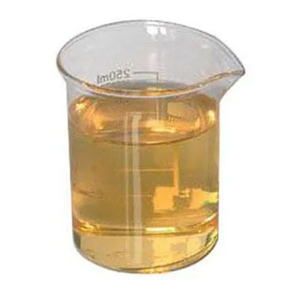
Concrete admixtures are chemical or mineral additives mixed into concrete to enhance its properties. From speeding up curing to making concrete waterproof or more flexible, these concrete chemicals solve real-world problems on job sites every day.
2. Understand Common Admixture Types
Before buying any product labeled ‘admixtures,’ know what each type does. Here’s a quick breakdown of the most widely used categories:
- Water reducing admixtures (including superplasticizers) improve workability without adding extra water.
- Concrete accelerators shorten curing time—ideal for cold weather or fast-track jobs.
- Concrete retarders delay setting time, useful in hot climates or large pours.
- Air entraining admixtures create tiny air bubbles that boost freeze-thaw resistance.
- Waterproofing admixtures (like integral waterproofer or crystalline waterproofing admixture) block moisture penetration.
- Fiber reinforcement (polypropylene fibres, steel fibers, etc.) reduces cracking and adds tensile strength.
3. Step-by-Step: How to Select the Best Admixture for Concrete
Start by identifying your main challenge. Is your mix too stiff? Does it crack easily? Is water seeping through your basement walls?
If workability is low, reach for a superplasticizer in concrete. Super plasticizers like polycarboxylate ether (PCE) offer high-range water reduction—up to 40%—without sacrificing strength. They’re far more effective than basic plasticizer for concrete.
For faster turnaround, use accelerating admixtures for concrete. These reduce concrete accelerator curing time dramatically, especially when temperatures drop below 50°F (10°C).
If you’re pouring in summer heat, a concrete retarder admixture or surface retarder concrete helps prevent premature hardening.
Need waterproofing? Choose a concrete waterproofing additive like a cement waterproofing additive or crystalline waterproofing admixture. These react with moisture to form insoluble crystals that seal pores from within.
4. Mixing and Dosage Guidelines
Always follow manufacturer instructions—but here are general best practices:
- Never add admixtures directly to dry cement. Mix them into the batch water first.
- Typical superplasticizer admixture dosage: 0.5–2% by weight of cement.
- Air entraining agent dosage: usually 0.05–0.2%—too much causes excessive air and weak concrete.
- For fiber reinforced concrete, use 0.5–1.5 kg of polypropylene fibre per cubic meter of mix.
Overdosing is a common mistake. Too much superplasticizer can cause segregation; too much air entraining leads to spongy, weak slabs.
5. Troubleshooting Common Problems
Problem: Concrete sets too fast in summer.
Solution: Use a concrete retarder admixture. Chryso admixture and other commercial retarders extend workability by 1–3 hours.
Problem: Finished surface cracks after drying.
Solution: Add reinforcement fiber for concrete—macro fibers or pp fiber concrete help control shrinkage cracks.
Problem: Water leaks through basement walls.
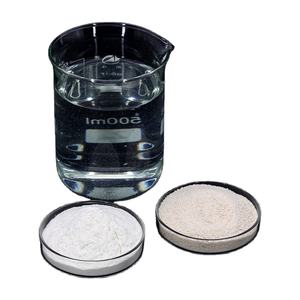
Solution: Replace standard mix with one containing waterproof admix or integral waterproofer. Crystalline waterproofing admixture is especially effective for below-grade structures.
Problem: Mix is too thick to place evenly.
Solution: Use a high-range water reducer like PCE-based superplasticizer. It acts as both a concrete water reducer and plasticizer admixture without increasing water content.
6. Special Applications & Pro Tips
For decorative projects like stamped concrete, combine colored concrete powder with a quality concrete release agent (powder or spray) to prevent sticking and add accent colors.
When using white cement for countertops or facades, pair it with a compatible superplasticizer to maintain flow without yellowing.
Foam concrete? Use a protein-based foaming agent for stable, lightweight CLC blocks. Avoid homemade foaming agent for concrete—they often lack consistency.
For siding projects (e.g., Hardie concrete siding or fibercement siding), ensure your base mix includes fiber for concrete mix to resist impact and warping.
7. Conclusion
The right admixture used in concrete isn’t just an add-on—it’s a performance booster. Whether you need faster curing, better flow, crack resistance, or waterproofing, there’s a concrete additive designed for it. Always match the admixture type to your specific environmental and structural needs, measure accurately, and test small batches first. With smart choices, your concrete will last longer, look better, and perform exactly as intended.
Our Website founded on October 17, 2012, is a high-tech enterprise committed to the research and development, production, processing, sales and technical services of ceramic relative materials such as How. Our products includes but not limited to Boron Carbide Ceramic Products, Boron Nitride Ceramic Products, Silicon Carbide Ceramic Products, Silicon Nitride Ceramic Products, Zirconium Dioxide Ceramic Products, etc. If you are interested, please feel free to contact us.