Concrete-mesa | Concrete Admixtures, Tools, and Production Machines

How Advanced Admixtures Are Revolutionizing Fiber-Reinforced Concrete for Modern Siding
1. Introduction
Just 24 hours ago, major building material supplier James Hardie announced a strategic partnership with Chryso to integrate next-generation concrete admixtures into its fibercement siding lines across North America. This move highlights a growing industry shift: the use of advanced admixtures to enhance the performance, appearance, and sustainability of concrete-based exterior cladding. As homeowners increasingly seek low-maintenance, fire-resistant, and wood-look alternatives, the role of chemical additives in concrete has never been more critical.
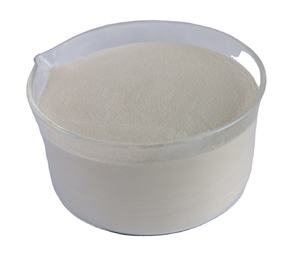
In this article, we’ll dive into how specific admixture types—from superplasticizers to crystalline waterproofing admixtures—are transforming fiber-reinforced concrete used in modern siding applications like HardiePlank and Certainteed products.
2. Why Fiber-Reinforced Concrete Needs Specialized Admixtures
Fiber-reinforced concrete (FRC), especially when used for siding, demands a precise balance of workability, strength, and durability. Unlike structural concrete, siding panels must be thin, lightweight, and aesthetically refined—often mimicking wood grain or stone textures. Achieving this requires more than just cement, sand, and fibers; it calls for carefully engineered concrete chemicals.
Key challenges include controlling curing time, preventing cracking during drying, ensuring water resistance, and maintaining surface finish quality. This is where admixtures step in—not as optional extras, but as essential components of the mix design.
3. Superplasticizers: Enabling Workability Without Extra Water
One of the most vital admixtures in modern fibercement production is the superplasticizer. Also known as high-range water reducers, superplasticizers like polycarboxylate ether (PCE)-based formulations dramatically improve flow without increasing water content.
In fiber-reinforced concrete mixes—especially those containing polypropylene fibres for concrete or steel fibers for concrete—high fiber content can make the mix stiff and hard to process. Superplasticizer admixture solves this by dispersing cement particles and lubricating the mix, allowing manufacturers to cast intricate patterns and smooth surfaces consistently.
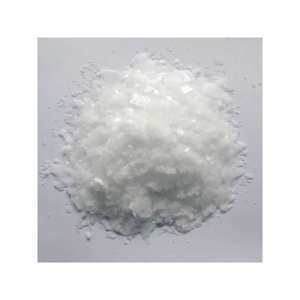
- Polycarboxylate superplasticizer enables lower water-cement ratios, boosting strength and reducing shrinkage.
- PCE-based superplasticizers are compatible with both macro fibers and microfibers, making them ideal for fiber concrete mix designs.
- They also support faster demolding in precast operations, accelerating production cycles.
4. Waterproofing Admixtures: Critical for Exterior Durability
Since concrete siding is constantly exposed to rain, humidity, and freeze-thaw cycles, waterproofing is non-negotiable. Here, two types of admixtures shine: integral waterproofers and crystalline waterproofing admixtures.
Integral waterproofer additives react within the concrete matrix to block capillary pores, while crystalline waterproofing admixture forms insoluble crystals that self-seal microcracks over time. Both significantly extend service life and reduce maintenance.
Brands like Chryso offer specialized waterproof admix formulations that integrate seamlessly with fiber-reinforced systems. These concrete waterproofing additives eliminate the need for external sealants—critical for achieving clean, uniform finishes on products like concrete siding that looks like wood.
5. Accelerators, Retarders, and Air-Entraining Agents: Fine-Tuning Performance
Beyond flow and water resistance, other admixture types fine-tune curing and resilience:
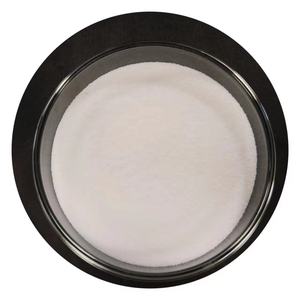
- Concrete accelerator additives shorten curing time, enabling same-day handling in factory settings—key for fast curing concrete additives in high-volume production.
- Concrete retarder admixture or surface retarder concrete helps control setting during hot weather or complex casting, preventing premature stiffening.
- Air entraining admixture introduces microscopic air bubbles that improve freeze-thaw resistance—essential for homes in colder climates using cement house siding.
These chemical admixtures for concrete work synergistically with fibers to prevent delamination, spalling, and efflorescence—common issues in early-generation fiber cement boards.
6. The Role of Fibers and Supporting Additives
While fibers provide tensile strength and crack control, they rely on admixtures to perform optimally. Polypropylene fibre, coconut fiber reinforced concrete, and even carbon fiber reinforcement in concrete all benefit from plasticizer admixture to ensure even dispersion.
Without proper wetting and distribution—aided by concrete plasticiser or plasticizer for concrete—the fibers can clump, leading to weak spots. Additionally, additive for mortar formulations often include defoamers and viscosity modifiers to complement fiber action.
Modern concrete siding cost remains competitive because these admixtures reduce waste, speed up manufacturing, and minimize field repairs—making products like Hardie concrete siding both durable and economical.
7. Real-World Impact: From Factory to Facade
Thanks to advances in admixture technology, today’s concrete fiber siding offers unprecedented realism and resilience. Homeowners can choose charcoal stamped concrete finishes, terra cotta concrete color tones, or gray stamped concrete patterns—all backed by chemistry that ensures decades of performance.
Retailers like Home Depot now stock a wide range of concrete siding for homes precisely because improved admixture formulations have solved historical issues like warping, moisture absorption, and color fading.
8. Conclusion
The future of architectural concrete lies not just in new materials, but in smarter chemistry. From superplasticizer in concrete to air entraining concrete solutions, admixtures are the invisible heroes behind high-performance fibercement siding. As partnerships like the one between James Hardie and Chryso expand, expect even more innovation in concrete admixture types—making modern concrete siding stronger, greener, and more beautiful than ever.
Our Website founded on October 17, 2012, is a high-tech enterprise committed to the research and development, production, processing, sales and technical services of ceramic relative materials such as How. Our products includes but not limited to Boron Carbide Ceramic Products, Boron Nitride Ceramic Products, Silicon Carbide Ceramic Products, Silicon Nitride Ceramic Products, Zirconium Dioxide Ceramic Products, etc. If you are interested, please feel free to contact us.