Concrete-mesa | Concrete Admixtures, Tools, and Production Machines

Air Entrainment Agent for Concrete Construction Chemical Auxiliary Agent Concrete Admixture
PRODUCT PARAMETERS
Description
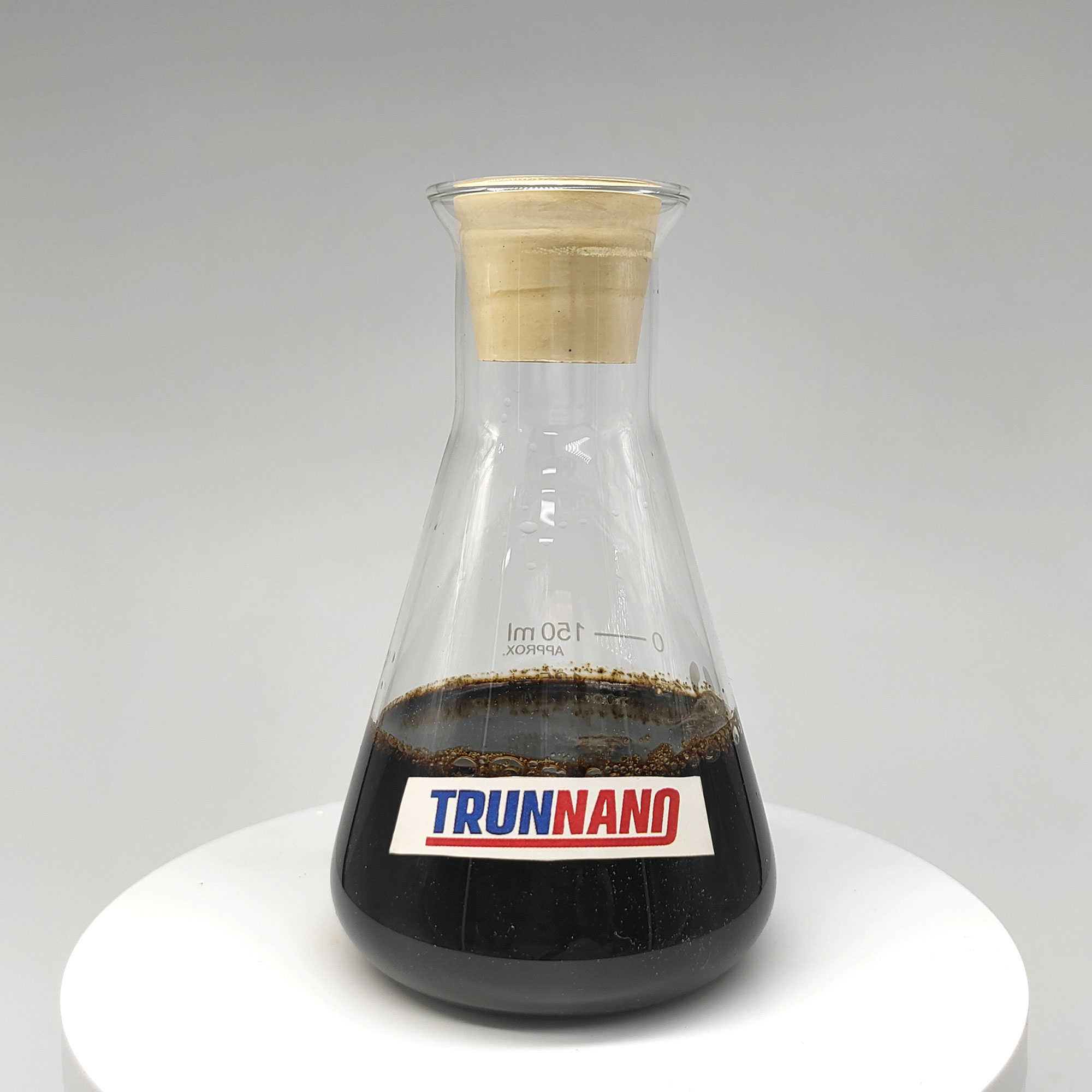
Overview of Air Entrainment Agent for Concrete Construction Chemical Auxiliary Agent Concrete Admixture
Air Entrainment Agent for Concrete Construction Chemical Auxiliary Agent Concrete Admixture is a surfactant that generates large quantities of uniform, stable foam through physical or chemical means. When this foam is thoroughly mixed with cement-based slurry (cement, fly ash, etc.) and cured naturally or with steam, it forms a novel lightweight material—foam concrete—internally filled with numerous closed air cells.
Features of Air Entrainment Agent for Concrete Construction Chemical Auxiliary Agent Concrete Admixture
1. High Foam Multiplication Ratio: High foam multiplication ratio allows for dilution before use. One kilogram of concentrate generates a large volume of uniform foam, delivering significant cost savings.
2. Strong Foam Stability: Produces resilient, uniformly fine foam walls that resist collapse or breakage. Effectively withstands pressure from cement slurry, ensuring independent and sealed air cells within the finished product.
3. Uniform and Fine Pore Structure: The foam concrete exhibits an ideal internal structure of closed spherical micro-pores, guaranteeing superior physical properties.
4. Low Material Consumption: Achieves equivalent density and strength grades with lower dosage than standard market products, reducing costs.
5. Eco-friendly and safe: Neutral formulation, non-toxic, odorless, and non-corrosive, posing no harm to the environment or human health. Classified as a green building material.
6. Wide adaptability: Excellent compatibility with various cements (including ordinary Portland cement and aluminate cement) and admixtures. Rapid foaming action with extended foam stability.

Specifications of Air Entrainment Agent for Concrete Construction Chemical Auxiliary Agent Concrete Admixture
Air entrainment agents are essential for concrete. They produce several extremely small air bubbles in the mix. These tiny bubbles are spread out throughout the concrete. This process happens when you add the agent to the wet concrete. The representative helps the concrete resist damage from freezing and thawing. It also enhances how practical the concrete is. Employees locate the concrete easier to place and complete. The agent makes the concrete less most likely to hemorrhage or segregate. Bleeding ways water comes to the surface area. Segregation suggests the materials different. Utilizing the representative enhances the concrete’s sturdiness. This is especially real in position with cold weather. The air bubbles supply space for water to expand when it freezes. This stops the concrete from breaking inside.
The representative is typically a fluid. Home builders add it to the concrete mix throughout batching. The amount utilized is really small. It is measured carefully. Excessive air makes the concrete weak. Insufficient air provides poor defense against cold. The dosage depends upon the certain mix style. It additionally relies on the anticipated climate condition. The agent should fulfill particular standards. ASTM C260 is a common requirement in the United States. Comparable standards exist in other nations. These standards ensure the agent functions appropriately. They cover things like just how much air the representative produces. They also cover the security of the air bubbles. Good representatives develop bubbles that remain in the concrete throughout mixing and positioning. The bubbles should be little and well distributed. This gives the best outcomes. The agent should not impact the setup time of the concrete too much. It ought to not create other issues. Contractors test the air material usually. They make use of devices like an air meter. This assists manage the top quality. Using an air entrainment agent properly results in longer-lasting concrete frameworks.
Applications of Air Entrainment Agent for Concrete Construction Chemical Auxiliary Agent Concrete Admixture
Air entrainment representatives are special chemicals contributed to concrete mixes. They develop numerous tiny air bubbles throughout the concrete. This might seem unusual, yet these bubbles are extremely handy. Concrete faces large problems in winter. Water inside the concrete ices up and broadens. Without air bubbles, this expansion can crack and break the concrete. The small bubbles made by the representative give that increasing water someplace to go. They imitate little security valves. This secures the concrete from damages brought on by cold and thawing cycles. It makes concrete last much longer outdoors, especially in places with hard winters months.
These agents additionally make fresh concrete less complicated to work with. The air bubbles act like little sphere bearings. They assist the concrete mix circulation much better. Workers discover it smoother to position and complete. It minimizes the initiative needed to relocate the concrete around. This improved workability is a large benefit on the job website. Concrete mixes with these agents likewise hemorrhage less. Bleeding methods water increases to the surface after putting. Too much blood loss creates issues. It leaves the surface weak and dusty. Air entrainment helps hold the mix together better. It minimizes the splitting up of water and solids. This brings about a more powerful, a lot more consistent surface after ending up. Home builders value this uniformity. Utilizing an air entrainment agent is clever for resilient, practical concrete.
Company Profile
We are the global leader in lightweight concrete and advanced engineered foam solutions. Known globally for its commitment to research, innovation, and applied expertise, we have been providing engineered foam solutions since the early 2012’s.
We can supply high-quality concrete admixture and foam concrete related products all over the world.
The company has a professional technical department and quality supervision department, a well-equipped laboratory, and equipped with advanced testing equipment and after-sales customer service center.
If you are interested, please feel free and contact us.
Payment
T/T, Western Union, Paypal, Credit Card etc.
Shipment
By air, by sea, by express, as customers request.
5 FAQs of Air Entrainment Agent for Concrete Construction Chemical Auxiliary Agent Concrete Admixture
What is an air entrainment agent?
It’s a special chemical added to concrete mixes. It puts tiny air bubbles into the concrete. These bubbles are really small. They are spread all through the mix.
Why add air to concrete?
Concrete faces freeze and thaw cycles outdoors. Water inside the concrete expands when it freezes. This expansion causes cracking and damage. The tiny air bubbles give this expanding water a place to go. The bubbles act like safety valves. This prevents the concrete from cracking. So, it makes concrete last longer in cold weather.
How does it create the bubbles?
The agent works like soap. It lowers the surface tension of the water in the mix. When the concrete is mixed, air gets trapped. The agent forms a film around each air pocket. This film holds the bubble stable. It keeps the bubble from popping during mixing or pouring.
How much agent is needed?
The right amount depends on the job. It depends on how harsh the weather is. It depends on the concrete mix design. Usually, it’s a small amount. The goal is a specific air content level. This level is measured as a percentage of the total concrete volume. Testing the fresh concrete checks the air content. Adjustments might be needed based on the cement content and other factors. Adding too much can cause problems.
Does air entrainment weaken the concrete?
Yes, a little bit. Adding air generally lowers the strength slightly. More air usually means lower strength. But, the benefit of better freeze-thaw protection is very important. It outweighs the small strength loss. Proper design accounts for this. Engineers slightly increase the cement content to offset the strength loss. This ensures the concrete remains strong enough.