Concrete4U | Concrete Admixtures, Tools, and Production Machines

Superplasticizers vs. Traditional Water Reducers: Which Concrete Admixture Delivers Better Performance?
1. Introduction
Just 24 hours ago, a major infrastructure project in Texas announced it had switched from traditional naphthalene-based superplasticizers to polycarboxylate ether (PCE) formulations to meet stricter sustainability benchmarks—a move reflecting a global shift in how the construction industry selects concrete admixtures. As demand grows for high-performance, eco-friendly concrete, understanding the nuances between different admixture types has never been more critical.
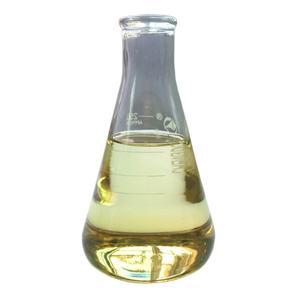
Concrete admixtures—often called ‘concrete additives’ or ‘chemical admixtures for concrete’—are essential for tailoring mix properties like workability, setting time, strength, and durability. Among the most widely used are water reducing admixtures, especially superplasticizers. But not all superplasticizers are created equal. This article compares two dominant categories: naphthalene sulfonate-based water reducers and polycarboxylate ether (PCE) superplasticizers, while also contextualizing them within the broader ecosystem of concrete chemicals.
2. Understanding Superplasticizers and Water Reducers
Superplasticizers—also known as high-range water reducers—are a class of concrete admixture designed to drastically reduce water content while maintaining or even improving workability. This leads to higher strength, lower permeability, and enhanced durability. The term ‘superplasticizer in concrete’ is often used interchangeably with ‘plasticizer for concrete,’ though true superplasticizers offer far greater water reduction (15–40%) than standard plasticizers.
There are three main generations of superplasticizers:
- First-gen: Lignosulfonates (now largely obsolete for high-performance use)
- Second-gen: Naphthalene sulfonate formaldehyde condensates (SNF)
- Third-gen: Polycarboxylate ether (PCE)-based superplasticizers
Today, the battle for dominance is between SNF and PCE—the latter representing the cutting edge of admixture technology.
3. Naphthalene-Based Superplasticizers: The Workhorse of the Past
Naphthalene-based superplasticizers (often labeled as SNF) have been industry staples since the 1970s. They’re synthesized from naphthalene, formaldehyde, and sulfuric acid, creating a sulfonated polymer that disperses cement particles effectively.
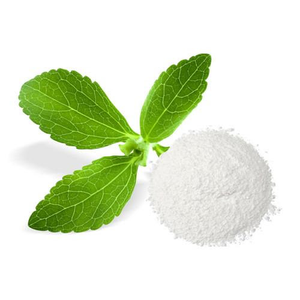
Advantages include:
- Proven track record in mass concrete and precast applications
- Lower cost compared to PCE options
- Good compatibility with many cement types
However, they come with notable drawbacks:
- Limited slump retention (workability drops quickly over time)
- Higher dosage requirements
- Formaldehyde emissions raise environmental and health concerns
- Less effective with modern cements containing supplementary materials like fly ash or slag
For projects where cost is paramount and extended workability isn’t needed, SNF remains a viable choice—but its limitations are increasingly apparent.
4. Polycarboxylate Ether (PCE) Superplasticizers: The Future-Proof Choice
PCE superplasticizers represent a molecular leap forward. Their comb-like polymer structure provides steric hindrance, not just electrostatic repulsion, leading to superior particle dispersion and stability.
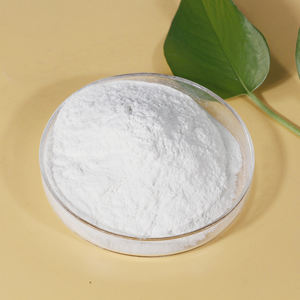
Key benefits of PCE-based superplasticizer admixture include:
- Exceptional water reduction (up to 40%)
- Outstanding slump retention—ideal for long-haul deliveries or hot weather
- Low dosage requirements (typically 0.1–0.3% by cement weight)
- Near-zero formaldehyde content, making them greener
- High compatibility with mineral admixtures like silica fume and slag
These traits make PCE the go-to for high-strength concrete, self-consolidating concrete (SCC), and 3D-printed concrete. Brands like Chryso admixture and other premium suppliers heavily favor PCE formulations for modern builds.
The main downside? Higher upfront cost. But when factoring in reduced cement usage, faster form turnover, and fewer placement issues, PCE often proves more economical over the project lifecycle.
5. Beyond Superplasticizers: Other Critical Admixture Types
While superplasticizers dominate discussions, other concrete admixture types play vital roles:
- Concrete accelerator: Speeds up curing time—essential for cold-weather pours or fast-track projects.
- Concrete retarder: Delays setting, useful in hot climates or complex placements.
- Air entraining admixture: Introduces microscopic air bubbles to improve freeze-thaw resistance—critical for roads and bridges in northern climates.
- Waterproofing admixture: Includes integral waterproofers and crystalline waterproofing admixtures that block capillary pores from within.
- Fiber reinforcement: Polypropylene fibres for concrete or steel fibers enhance crack resistance and impact strength, commonly used in industrial slabs and shotcrete.
Each serves a unique purpose, and modern mixes often combine multiple admixtures—e.g., a PCE superplasticizer with an air-entraining agent and polypropylene fiber for durable, pumpable, freeze-resistant concrete.
6. Choosing the Best Admixture for Concrete
So, what’s the best admixture for concrete? It depends on your project’s needs:
- For high-flow, high-strength applications: PCE superplasticizer is unmatched.
- For budget-sensitive, short-duration pours: Naphthalene-based water reducer may suffice.
- For cold regions: Combine accelerating admixtures for concrete with air entraining concrete systems.
- For basements or water tanks: Use a crystalline waterproofing admixture or cement waterproofing additive.
Always consult technical data sheets and conduct trial batches. Compatibility with local cement, aggregates, and other additives can vary significantly.
7. Conclusion
The evolution from naphthalene sulfonate to polycarboxylate ether superplasticizers marks a broader trend toward smarter, cleaner, and more efficient concrete chemistry. While traditional water reducers still have their place, PCE-based superplasticizers offer superior performance, sustainability, and versatility—making them the preferred choice for forward-looking builders. Whether you’re selecting a concrete water reducer, air entraining agent, or waterproof admix, understanding these nuances ensures your concrete performs exactly as intended.
Our Website founded on October 17, 2012, is a high-tech enterprise committed to the research and development, production, processing, sales and technical services of ceramic relative materials such as Superplasticizers. Our products includes but not limited to Boron Carbide Ceramic Products, Boron Nitride Ceramic Products, Silicon Carbide Ceramic Products, Silicon Nitride Ceramic Products, Zirconium Dioxide Ceramic Products, etc. If you are interested, please feel free to contact us.