Concrete-mesa | Concrete Admixtures, Tools, and Production Machines

Master the Mix: Understand Every Type of Concrete Admixture for Better Builds
1. Introduction
Ever wonder how skyscrapers stay strong or sidewalks resist cracking in freezing winters? The secret often lies not just in cement and aggregate—but in carefully engineered ingredients called admixtures. These concrete additives fine-tune everything from workability and setting time to strength and weather resistance.
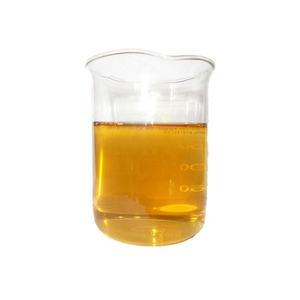
Whether you’re a contractor, DIYer, or just curious about construction chemistry, understanding admixtures can help you choose the best admixture for concrete in any project. Let’s break it all down—from plasticizers to fibers to foaming agents—in plain English.
2. What Are Admixtures?
Admixtures (sometimes spelled ‘ad mixtures’) are materials added to concrete before or during mixing to modify its properties. They’re not part of the basic recipe—cement, water, sand, and gravel—but they dramatically improve performance.
There are two broad categories: chemical admixtures and mineral admixtures. Chemical types include liquids or powders that react with cement, while mineral types—like fly ash or silica fume—are finely ground materials that enhance long-term strength and durability.
2.1. Why Use Concrete Additives?
Concrete admixtures solve real-world problems:
- Speed up or slow down curing (think concrete accelerator vs. concrete retarder)
- Reduce water content without losing workability (thanks to water reducing admixtures)
- Add air bubbles for freeze-thaw resistance (air entraining concrete)
- Make surfaces waterproof (integral waterproofer or crystalline waterproofing admixture)
- Improve finish, color, or texture (colored concrete, release agents, etc.)
3. Common Concrete Admixture Types
Not all admixtures are created equal. Here’s a look at the most widely used categories—and the keywords you’ll hear on job sites.
3.1. Water Reducers & Superplasticizers
Water reducer admixtures cut the water needed in a mix, boosting strength and durability. Superplasticizers—also called high-range water reducers—are the heavy hitters in this group.
Superplasticizer in concrete can reduce water by 30% or more while keeping the mix flowable. Popular types include polycarboxylate ether (PCE) and naphthalene-based superplasticizers. PCE superplasticizer is especially prized for its efficiency and compatibility with modern cements.
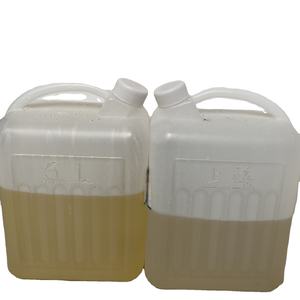
You’ll also hear terms like concrete water reducer, superplasticizer admixture, and plasticizer for concrete—all referring to these powerful flow-enhancing chemicals.
3.2. Set Modifiers: Accelerators and Retarders
Need fast curing concrete additives for a tight deadline? Concrete accelerator shortens setting time and boosts early strength—ideal for cold weather or emergency repairs.
On the flip side, a concrete retarder (or admixture retarder) delays hardening, giving crews more time to place and finish large pours in hot climates. Surface retarder concrete is even used to expose aggregates for decorative finishes.
3.3. Air Entraining Admixtures
Air entraining admixture introduces microscopic air bubbles into the mix. These tiny pockets act as pressure relief valves when water freezes and expands—critical for roads, bridges, and driveways in cold regions.
Also called air entraining agent or air entraining cement additive, this type is essential for durable outdoor concrete. Look for products labeled ‘air entraining’ when frost resistance is a priority.
3.4. Waterproofing Admixtures
Want concrete that repels water from within? Waterproofing admixture options include integral waterproofer, cement waterproofing additive, and crystalline waterproofing admixture.
These concrete waterproof admix or waterproof admix products react with moisture to form crystals that block capillaries—making them ideal for basements, tanks, and foundations. Admixture waterproofing is far more reliable than surface coatings alone.
4. Specialty Additives: Fibers, Foams, and Finishes
Beyond core performance, admixtures also enable innovation in design and function.
4.1. Fiber Reinforcement
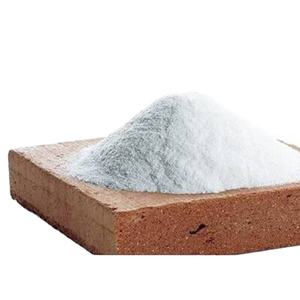
Fibers for concrete—like polypropylene fibres for concrete, steel fibers for concrete, or even coconut fiber reinforced concrete—add tensile strength and crack control.
From macro fibers to concrete microfiber, these reinforcement fiber for concrete options create fiber reinforced concrete that’s tougher and more impact-resistant. Brands like Hardie concrete siding and CertainTeed concrete siding use fiber cement technology for durable, wood-like exteriors.
Whether it’s pp fiber concrete, carbon fiber reinforced concrete, or fibermesh concrete, fiberfor concrete mixes are now standard in slabs, overlays, and precast elements.
4.2. Foaming Agents for Lightweight Concrete
Foaming agent for foam concrete (also called CLC foaming agent or aircrete foaming agent) creates cellular concrete—lightweight, insulating, and easy to shape.
Protein based foaming agent and synthetic foaming agent for concrete are common choices. Used with a concrete foaming machine, they produce blocks, panels, or fills with excellent thermal properties.
4.3. Color and Release Agents
Colored concrete brings visual flair. Powder concrete colorants, stamped concrete colors, and tinted concrete turn ordinary slabs into art.
To stamp patterns without sticking, contractors use concrete release agent—available as powder, liquid, or spray. Options like water based release agent or mould release spray ensure clean impressions in gray, charcoal, brown, or terra cotta stamped concrete.
5. Choosing the Right Admixture
The best admixture for concrete depends on your climate, timeline, structural needs, and aesthetic goals. Always check compatibility—some superplasticizers don’t play well with certain cements.
Brands like Chryso admixture offer tailored solutions, but generic concrete chemicals from suppliers like Home Depot can work for smaller jobs. For white concrete countertops or facades, pair white cement with a compatible plasticizer admixture and waterproofing admixture for concrete.
6. Conclusion
From super plasticizers that make concrete flow like honey to air entraining agents that battle winter frost, admixtures are the unsung heroes of modern construction. Understanding concrete admixture types—whether you’re using a concrete accelerator curing time booster or a crystalline waterproofing admixture—empowers smarter, stronger, and more beautiful builds.
So next time you see a sleek concrete siding house or a flawless stamped patio, remember: it’s not just cement—it’s chemistry.
Our Website founded on October 17, 2012, is a high-tech enterprise committed to the research and development, production, processing, sales and technical services of ceramic relative materials such as Master. Our products includes but not limited to Boron Carbide Ceramic Products, Boron Nitride Ceramic Products, Silicon Carbide Ceramic Products, Silicon Nitride Ceramic Products, Zirconium Dioxide Ceramic Products, etc. If you are interested, please feel free to contact us.