Concrete4U | Concrete Admixtures, Tools, and Production Machines

7 Essential Steps to Choose and Use Concrete Admixtures Like a Pro
1. Introduction
Just 24 hours ago, a major construction firm in Texas reported significant delays due to improper use of concrete retarders during a heatwave—highlighting how critical it is to understand admixtures. Whether you’re pouring a backyard patio or managing a commercial build, choosing the wrong concrete admixture can lead to cracking, slow curing, or even structural failure.
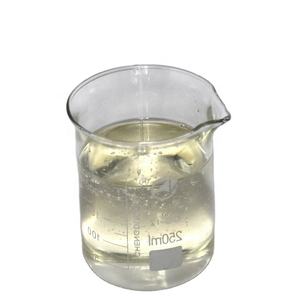
The good news? With the right knowledge, you can harness the power of concrete chemicals to improve workability, strength, and durability. This step-by-step guide covers the most effective ways to select and use admixtures—from superplasticizer in concrete to crystalline waterproofing admixture—so your next pour goes smoothly.
2. Understand the Main Admixture Types
Before buying anything, know what’s out there. Admixture types fall into several key categories:
- Water reducing admixtures (like superplasticizer and mid-range water reducers)
- Accelerating admixtures for concrete (to speed up curing)
- Concrete retarder admixture (to delay setting in hot weather)
- Air entraining admixture (adds tiny air bubbles for freeze-thaw resistance)
- Waterproofing admixture (including integral waterproofer and crystalline systems)
- Fiber reinforcement (polypropylene fibres for concrete, steel fibers, etc.)
Each serves a unique purpose. For example, if you’re working in cold climates, an air entraining agent is non-negotiable. In high-rise projects, a polycarboxylate ether superplasticizer delivers maximum flow without extra water.
3. Match the Admixture to Your Project Needs
Ask yourself: What problem are you solving?
Need faster turnaround? Use a concrete accelerator to cut curing time. Pouring in summer heat? A surface retarder concrete or admixture retarder keeps the mix workable longer. Want crack resistance? Add polypropylene fibre or macro fibers for concrete fiber reinforcement.

For basements or water tanks, go with a concrete waterproofing additive like a crystalline waterproofing admixture—it reacts with moisture to seal pores permanently. And if you’re aiming for sleek finishes, white cement combined with a superplasticizer admixture creates smooth, high-strength white concrete countertops.
4. Calculate Dosage Accurately
Overdosing is a common mistake. Most chemical admixture for concrete products specify dosage by weight of cement (e.g., 0.5–2% for superplasticizer).
Always follow the manufacturer’s bio data sheet. Too much superplasticizer can cause segregation; too little won’t reduce water enough. Similarly, excess air entraining concrete admixture weakens compressive strength.
Pro tip: Start with the lower end of the recommended range, then adjust based on trial batches. Digital scales and calibrated dispensers help ensure precision.
5. Mix Properly to Activate the Admixture
How you add the admixture matters. Most liquid admixtures—including super plasticizers, concrete accelerator, and waterproof admix—are added during mixing after initial water and cement contact.
Never dump dry additives directly onto dry cement. Instead, dilute them in mix water first. For fiberfor concrete mixes, add fibers gradually while the drum spins to prevent clumping.
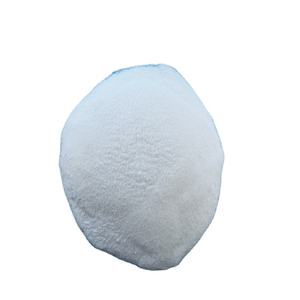
Mix for at least 3–5 minutes after adding any admixture chemical to ensure uniform distribution. Inadequate mixing leads to inconsistent performance—like patchy waterproofing or uneven setting.
6. Avoid Common Pitfalls
Even pros slip up sometimes. Here are frequent errors and fixes:
- Using expired admixtures: Check shelf life—many concrete additives degrade after 6–12 months.
- Mixing incompatible products: Don’t combine naphthalene-based superplasticizer with certain retarders—they can neutralize each other.
- Ignoring temperature: Fast curing concrete additives may over-accelerate in warm weather, causing thermal cracking.
- Skipping compatibility tests: Always test new combos (e.g., Chryso admixture with your local cement) before full-scale use.
Also, remember that ‘best admixture for concrete’ depends on your specific mix design—not marketing claims.
7. Store and Handle Safely
Most concrete chemicals are safe when handled correctly, but precautions matter. Store liquid admixtures like superplasticizer admixture and cement waterproofing additive in cool, dry places away from direct sunlight.
Keep containers sealed to prevent moisture absorption or evaporation. Wear gloves and eye protection—especially with concentrated polycarboxylate superplasticizer or acid-based retarders.
And never reuse food containers for admixture storage. Label everything clearly to avoid mix-ups on busy job sites.
8. Conclusion
Choosing and using the right admixture used in concrete doesn’t have to be complicated. By understanding admixture types, matching them to your needs, dosing accurately, and mixing properly, you’ll achieve better results with less waste and rework. Whether you’re using a concrete water reducer for high-strength columns or a foaming agent for lightweight CLC blocks, these steps put professional-grade control in your hands.
Our Website founded on October 17, 2012, is a high-tech enterprise committed to the research and development, production, processing, sales and technical services of ceramic relative materials such as 7. Our products includes but not limited to Boron Carbide Ceramic Products, Boron Nitride Ceramic Products, Silicon Carbide Ceramic Products, Silicon Nitride Ceramic Products, Zirconium Dioxide Ceramic Products, etc. If you are interested, please feel free to contact us.