Concrete-mesa | Concrete Admixtures, Tools, and Production Machines

Admixtures Are Revolutionizing Concrete Performance and Sustainability
1. Introduction
Just 24 hours ago, global construction giant LafargeHolcim announced a major investment in next-generation admixture technology aimed at reducing carbon emissions in concrete by up to 30%. This move underscores a growing trend: admixtures aren’t just additives—they’re essential tools for smarter, greener, and more resilient infrastructure.
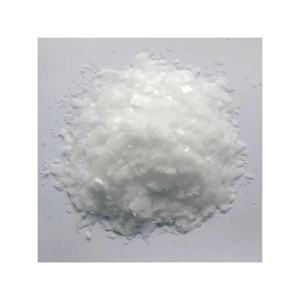
Whether you’re pouring a backyard patio or building a high-rise, the right admixture can make all the difference. But what exactly are admixtures, and why do they matter? Let’s break it down.
2. What Are Admixtures?
Admixtures—sometimes spelled ‘ad mixtures’—are chemical or mineral ingredients added to concrete before or during mixing to modify its properties. They’re not part of the core mix (cement, water, aggregates), but they dramatically influence performance, from setting time to freeze-thaw resistance.
Modern concrete simply wouldn’t meet today’s engineering demands without these concrete chemicals. In fact, over 80% of commercial concrete mixes now include at least one type of admixture.
3. Common Types of Concrete Admixture
There’s no one-size-fits-all solution when it comes to admixture used in concrete. Different projects call for different solutions. Here are the most widely used categories:
- Water reducing admixtures (including mid-range and high-range water reducers like superplasticizers)
- Concrete accelerator and concrete retarder formulations
- Air entraining admixture for freeze-thaw durability
- Waterproofing admixture (including crystalline and integral types)
- Fiber reinforcement (polypropylene, steel, or even coconut fiber)
- Foaming agents for lightweight cellular concrete
- Colorants and release agents for decorative stamped concrete
4. Superplasticizers: The Game-Changer
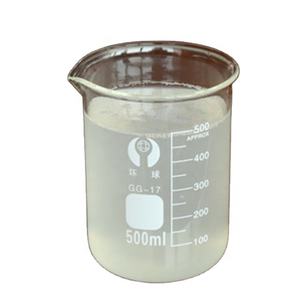
Among all concrete additives, superplasticizers stand out. Also called high-range water reducers or plasticizer for concrete, these admixtures drastically improve flow without adding extra water.
Superplasticizer in concrete allows for high-strength, low-permeability mixes—ideal for skyscrapers, bridges, and precast elements. The best superplasticizer for concrete today is often polycarboxylate ether (PCE)-based, offering superior slump retention and compatibility with modern cements.
Unlike older naphthalene or melamine-based superplasticizers, PCE superplasticizers provide precise control, reduce cement usage, and support sustainability goals. That’s why you’ll see terms like ‘polycarboxylate superplasticizer’ and ‘superplasticizer admixture’ dominating technical specs.
5. Setting Time Control: Accelerators and Retarders
Need fast curing concrete additives for a winter pour? Concrete accelerator cuts curing time and boosts early strength—critical in cold weather.
On the flip side, a concrete retarder admixture delays setting, giving crews more time to place and finish large slabs in hot climates. Surface retarder concrete is even used in exposed-aggregate finishes.
Both accelerating admixtures for concrete and admixture retarder types are carefully dosed to avoid compromising long-term integrity.
6. Durability Boosters: Air Entraining and Waterproofing
Air entraining concrete contains microscopic air bubbles that act as pressure relief valves during freeze-thaw cycles. An air entraining agent or air entraining cement improves resilience in roads, driveways, and northern climates.
For wet environments, waterproofing admixture options abound. Crystalline waterproofing admixture reacts with moisture to form insoluble crystals that block water pathways. Integral waterproofer and cement waterproofing additive types offer permanent protection without surface membranes.
Popular choices include concrete waterproof admix and waterproof admix solutions trusted by brands like Chryso admixture and Sika.
7. Fiber Reinforcement: Beyond Steel Rebar
Fibers for concrete—whether polypropylene fibres for concrete, steel fibers for concrete, or even coconut fiber reinforced concrete—add tensile strength and crack control.
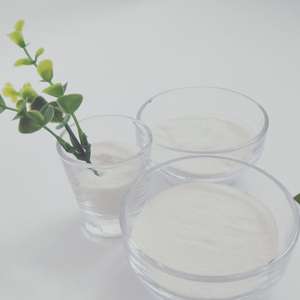
Fiber reinforced concrete is now standard in industrial floors, shotcrete, and even residential siding. Speaking of which, concrete fiber siding (also called fibercement siding or fiber concrete siding) mimics wood grain while resisting rot and fire.
Options like Hardie concrete siding and Certainteed concrete siding use fiber reinforcement to deliver durable, low-maintenance exteriors. And yes, you can find concrete siding that looks like wood at Home Depot or local suppliers.
8. Specialty Additives: Color, Foam, and More
Want colored concrete? Powder concrete colorants and tinted concrete systems let you create stamped concrete colors—from charcoal and terra cotta to white and blue. Release agents (spray, powder, or oil-based) ensure clean pattern transfer without sticking.
For lightweight builds, a concrete foaming agent creates aircrete or CLC blocks. Protein-based or synthetic foaming agents generate stable foam for insulation panels or void fills.
Even white cement gets a boost—used with superplasticizers and pigments for countertops, tiles, or architectural features where brightness matters.
9. Choosing the Best Admixtures for Your Project
The ‘best admixture for concrete’ depends on your goals: strength, speed, durability, or aesthetics. Always consult technical data sheets and consider compatibility with your cement type, aggregates, and climate.
Reputable manufacturers provide bio data sheets detailing dosage, performance, and safety. Never guess—overdosing a superplasticizer or misusing a concrete water reducer can lead to segregation or delayed set.
10. Conclusion
From superplasticizer admixture to fiberfor concrete and crystalline waterproofing, modern admixtures empower builders to push boundaries while cutting waste and emissions. As seen in LafargeHolcim’s latest move, the future of concrete is being shaped not just by cement—but by smart chemistry.
Whether you’re a contractor, engineer, or DIYer, understanding concrete admixture types unlocks better results, longer lifespans, and greener builds.
Our Website founded on October 17, 2012, is a high-tech enterprise committed to the research and development, production, processing, sales and technical services of ceramic relative materials such as Admixtures. Our products includes but not limited to Boron Carbide Ceramic Products, Boron Nitride Ceramic Products, Silicon Carbide Ceramic Products, Silicon Nitride Ceramic Products, Zirconium Dioxide Ceramic Products, etc. If you are interested, please feel free to contact us.