Concrete-mesa | Concrete Admixtures, Tools, and Production Machines

Best Practices for Incorporating Viscosity Modifying Admixtures into Your Mix
Ever before put concrete and saw it bleed? Or battled to pump it high up? Possibly you have actually dealt with segregation where the mix simply breaks down. These prevail migraines. Viscosity Changing Admixtures, or VMAs, supply services. Consider them as thickeners for your concrete soup. They fine-tune the flow properties. This isn’t regarding making concrete sticky like adhesive. It has to do with smart control. Comprehending VMAs unlocks far better concrete efficiency. Let’s discover just how to utilize them successfully.
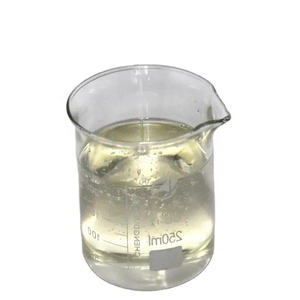
(Best Practices for Incorporating Viscosity Modifying Admixtures into Your Mix)
1. What Are Thickness Changing Admixtures? .
Thickness Customizing Admixtures are special chemicals. They enter into concrete blends. Their major task is altering just how thick or slim the concrete feels. This density is called viscosity. VMAs adjust this property. They work in different ways from water reducers or superplasticizers. Those products mainly impact how much water you need. VMAs target the paste’s inner resistance to circulation. Image mixing honey versus water. Honey stands up to flow much more– it has greater thickness. VMAs intend to provide concrete paste comparable, regulated resistance. They originate from different chemical families. Some are all-natural polymers. Others are artificial. Usual types consist of cellulose ethers, starches, and specific artificial polymers. Each type influences the mix slightly in a different way. The vital result is enhanced communication. This indicates the concrete holds together far better. It lowers separation of water and solids. VMAs assist the mix keep uniform. They are effective tools for taking care of workability.
2. Why Utilize Thickness Changing Admixtures? .
Why bother adding one more admixture? The factors are compelling. First, VMAs fight segregation. Segregation takes place when heavier bits sink. Water and fines climb. This produces weak, non-uniform concrete. VMAs increase the paste’s thickness. This holds accumulations and fines in place. Second, they manage bleeding. Blood loss is excess water increasing to the surface area. This leads to weak surfaces and finishing issues. VMAs lessen this water activity. Third, VMAs are essential for pumpability. Pumping concrete long distances or high up requires details flow. The mix needs to be fluid enough to move. It must also stay natural under stress. VMAs provide this equilibrium. They prevent blockages and line wear. 4th, they aid in undersea positioning. Concrete positioned undersea faces washout risk. Water can weaken the paste. Accumulations can wash away. VMAs increase the paste’s resistance. This safeguards the concrete throughout positioning. Fifth, they sustain self-consolidating concrete (SCC). SCC flows conveniently and fills kinds without vibration. However it has to stay secure. VMAs stop accumulated negotiation in these really fluid mixes. On the whole, VMAs provide stability and control.
3. Exactly How to Include Viscosity Changing Admixtures .
Including VMAs requires care. It’s not simply unloading them in. Comply with these actions for ideal results. Beginning with your base mix style. Know your products well. Cement kind, aggregates, water web content, and other admixtures matter. VMAs engage with these elements. Consult your VMA provider early. They know their product best. Supply your mix information. Obtain their specific dosage suggestions. Dose is crucial. Insufficient could not function. Way too much can make the mix extremely thick or sticky. Dosage depends upon the VMA kind. It likewise relies on your mix and desired result. Usually, dose prices are reduced. Frequently much less than 0.5% by weight of concrete. However always inspect the information sheet. Add the VMA at the appropriate time. This is normally throughout batching. Include it with the mixing water or right after. Guarantee complete mixing. The VMA needs to spread equally. Do not include it too late. This can lead to inadequate diffusion and clumping. Mixing time may need adjusting. Confirm the mix achieves full uniformity. Display the concrete’s behavior carefully. Look for the wanted communication and flow. Modifications may be needed batch-to-batch. Maintain good documents of what you utilized. Track performance. Job very closely with your provider for fixing.
4. Where VMAs Radiate .
VMAs find usage in many demanding concrete applications. Undersea concreting is a prime example. Positioning concrete in water is tough. Waves or currents can wash away cement and fines. This produces a weak, porous mass. VMAs thicken the paste. This aids the concrete hold with each other undersea. It minimizes washout. Pumped concrete is one more major location. Long-distance pumping puts stress on the mix. High-pressure pumping even more so. VMAs protect against segregation throughout pumping. They make sure smooth flow with the lines. This reduces clogs and wear. Self-consolidating concrete relies heavily on VMAs. SCC is very liquid. It must flow effortlessly into complex kinds. Yet, it can not segregate. VMAs offer the essential stability. They maintain the aggregates suspended. Sloped positionings and overhead job benefit too. Concrete on a slope or ceiling wants to slump or sag. VMAs increase communication. This assists it remain in area till it establishes. Shotcrete applications likewise utilize VMAs. Shotcrete is splashed onto surfaces. The rebound of material is waste. VMAs boost bond. They decrease rebound. This makes splashing much more reliable. Any kind of job requiring high stability and flow control is a candidate for VMAs.
5. VMA FAQs .
(Best Practices for Incorporating Viscosity Modifying Admixtures into Your Mix)
Let’s tackle some common concerns. Will VMAs enhance concrete stamina? Not straight. Their major task is stability. But by protecting against segregation and bleeding, they can help accomplish even more uniform strength. Poor placement brings about weak points. VMAs assist stay clear of those. Can I use VMAs with superplasticizers? Yes, absolutely. This is really usual. Superplasticizers make concrete circulation much better. VMAs then help maintain that liquid concrete stable. They work together well. Commonly required for high-performance blends like SCC. Do VMAs impact establishing time? Typically not substantially. The majority of VMAs are created to have very little impact on setting. Constantly examine the particular product data sheet. Some may have small impacts. Does climate impact VMA efficiency? Temperature level can contribute. Heat might make the concrete feel various. Adjustments may be needed. Consult your supplier for warm or winter tips. How do I understand if I require a VMA? Seek your mix issues. Is it setting apart? Bleeding excessively? Tough to pump without issues? Required to position it undersea or on a steep slope? These are signs a VMA can help. Talk to your admixture expert. They can direct you. Appropriate usage makes a big difference.