Concrete4U | Concrete Admixtures, Tools, and Production Machines

Practical Strategies for Using Admixtures to Improve Freeze-Thaw Resistance
Practical Techniques for Making Use Of Admixtures to Enhance Freeze-Thaw Resistance
(Practical Strategies for Using Admixtures to Improve Freeze-Thaw Resistance)
What Are Admixtures for Freeze-Thaw Resistance? .
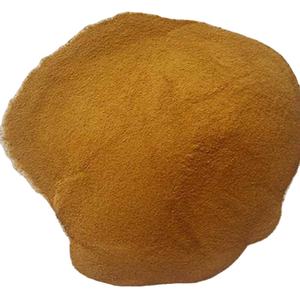
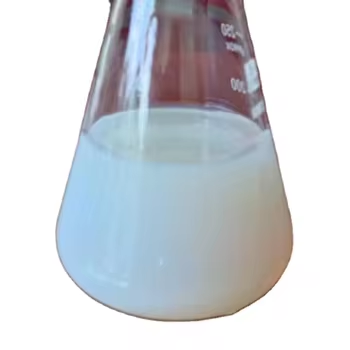
Admixtures for freeze-thaw resistance are unique ingredients included in concrete blends to help the product make it through repeated cycles of freezing and thawing. When water inside concrete freezes, it expands. This expansion produces internal pressure that can split and damage the framework in time. Admixtures made for this objective work by either minimizing the amount of complimentary water in the mix or by producing small air bubbles that give the increasing ice space to move without damaging the concrete. These products consist of air-entraining agents, water reducers, and particular types of retarding admixtures that indirectly assistance longevity by enabling better control over curing conditions.
Why Use Admixtures to Boost Freeze-Thaw Resistance? .
Concrete revealed to chilly environments deals with constant anxiety from temperature level swings. Without defense, surfaces spall, sides crumble, and structural integrity declines faster than anticipated. That’s why utilizing the ideal admixtures issues. They do not just postpone damages– they stop it. Air-entrained concrete, as an example, can last years much longer in northern regions compared to non-air-entrained blends. Additionally, by improving workability and reducing leaks in the structure, these admixtures help preserve both appearance and function. In jobs like bridges, auto parking decks, or walkways, where safety and security and durability are essential, including freeze-thaw resistant admixtures is not optional– it’s essential. And also, they commonly lower lasting upkeep prices, which makes them a smart investment from day one.
How Do You Make Use Of Admixtures to Boost Freeze-Thaw Efficiency? .
Making use of admixtures efficiently starts with understanding your mix style and local environment. Initially, select an air-entraining admixture that meets ASTM C260 standards. Add it throughout batching, typically alongside other fluid admixtures. The goal is to create a stable system of tiny air bubbles– generally 4% to 7% by quantity– throughout the concrete. As well couple of bubbles will not help; too many can damage the mix. Second, consider pairing the air-entrainer with a water-reducing admixture. Reducing the water-to-cement proportion makes the paste denser, which better restricts water access and ice development. Third, take note of healing. Also the most effective admixture won’t do well if the concrete dries too quick or freezes before it gets toughness. Maintain surfaces damp and protected for at the very least 7 days in cold weather. Finally, examination your mix. Run freeze-thaw cycles in the laboratory or usage area data to validate efficiency before full-blown pours.
Applications of Freeze-Thaw Resistant Admixtures in Real Projects .
These admixtures shine wherever concrete fulfills winter. Think highways in Minnesota, flight terminal paths in Canada, or seaside walkways in Scotland– all places where ice, snow, and salt incorporate to assault concrete non-stop. Professionals utilize air-entraining admixtures in every little thing from residential driveways to huge hydroelectric dams. In aquatic environments, where structures face both saltwater and cold temperatures, integrating freeze-thaw admixtures with corrosion-inhibiting admixtures offers double security: one fights ice damage, the other guards rebar from rust. Precast concrete elements delivered to cold regions likewise benefit, as do tilt-up panels and shielded concrete types (ICFs). Also ornamental concrete– like stamped patios or tinted overlays– can consist of these additives to stay beautiful through harsh seasons. The trick is matching the admixture kind and dosage to the specific direct exposure conditions and architectural needs.
FAQs About Admixtures for Freeze-Thaw Resistance .
Can I add air-entraining admixtures on-site?
It’s feasible, but not suitable. These admixtures work best when included throughout controlled batching. On-site addition dangers unequal circulation, which leads to irregular air content and bad performance.
Do all concrete blends demand freeze-thaw admixtures?
No. If you’re putting a basement slab deep underground in a warm climate, you likely do not need them. However, for any surface area exposed to rainfall, snow, or deicing salts– especially in zones with regular freeze-thaw cycles– yes, you do.
Will broadcast entrainment damage my concrete?
A little, indeed– however the compromise is worth it. While compressive toughness could come by 5% to 10%, the dramatic increase in durability more than compensates. And also, using a superplasticizer can balance out the stamina loss by enabling much less water in the mix.
Can I make use of freeze-thaw admixtures with fiber support?
Absolutely. Fibers aid regulate cracking, while air-entraining admixtures take care of interior ice pressure. They enhance each other well in pavements, pieces, and shotcrete applications.
How do I test if my concrete has sufficient air?
Utilize a pressure meter or volumetric air examination per ASTM C231 or C173. Field professionals typically execute these examinations throughout pours to ensure air content stays within the target variety. Don’t think– measure.
Are there green choices?
Yes. Numerous modern-day admixtures are stemmed from renewable resources or created for low environmental impact. Constantly check item information sheets for sustainability certifications or VOC conformity.
Does salt make freeze-thaw damages worse?
Yes. Deicing salts attract even more water right into concrete and reduced the cold factor, developing even more constant and aggressive freeze-thaw cycles. That’s why roadways treated with salt need also better air entrainment than untreated surface areas.
Can I count on admixtures alone for security?
(Practical Strategies for Using Admixtures to Improve Freeze-Thaw Resistance)
Not completely. Good mix layout, correct placement, ample curing, and surface area sealing all play duties. Admixtures are powerful tools, but they work best as part of a full toughness technique.