Concrete4U | Concrete Admixtures, Tools, and Production Machines

A Technical Deep Dive into the Function of Retarding Admixtures
A Technical Deep Study the Feature of Retarding Admixtures
(A Technical Deep Dive into the Function of Retarding Admixtures)
What Are Hampering Admixtures? .
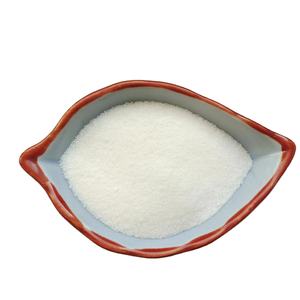
Slowing down admixtures are special chemicals added to concrete to slow down the setting time. When cement mixes with water, a chemical reaction called hydration starts. This reaction makes the concrete harden with time. In some circumstances, this hardening takes place too quickly. That is where retarding admixtures can be found in. They delay the start of the solidifying procedure without injuring the last toughness of the concrete. These admixtures are typically made from sugars, hydroxylated carboxylic acids, or lignosulfonates. They function by disrupting the early stages of concrete hydration. The outcome is more time for employees to location, shape, and complete the concrete prior to it establishes. This extra time is specifically valuable in heat or throughout big pours.
Why Use Retarding Admixtures? .
Individuals use retarding admixtures for a number of excellent factors. One large factor is temperature level control. In warm climates, concrete can establish very quickly. Quick setting causes troubles like chilly joints, where two batches of concrete do not bond well. Hampering admixtures aid prevent this by providing more working time. An additional factor is logistics. Often, concrete has to travel cross countries from the batching plant to the work site. Without a retarder, it might start solidifying in the vehicle. Retarders keep the mix practical up until it reaches its location. Likewise, for complex frameworks like bridges or skyscrapers, workers need additional time to location and finish the concrete appropriately. Slowing down admixtures make that possible. They also help in reducing thermal fracturing by slowing the heat release during very early hydration. This brings about stronger, extra long lasting concrete.
Just How Do Retarding Admixtures Function? .
Hampering admixtures job by affecting the chemistry of cement hydration. When water fulfills cement, substances like tricalcium silicate (C3S) and tricalcium aluminate (C3A) start to respond. These responses create crystals that bind the mixture together. Retarders disrupt this procedure in a couple of means. Some adsorb onto the surface of concrete particles, developing an obstacle that slows water accessibility. Others respond with calcium ions in the mix, delaying the formation of calcium silicate moisturize– the primary binder in concrete. Sugar-based retarders, as an example, type complexes with calcium that quit early crystal growth. The bottom line is that these activities just postpone the start of solidifying. When the impact diminishes, hydration proceeds typically. The last strength and longevity of the concrete are not hurt. As a matter of fact, better control over setup often boosts the end item.
Applications of Retarding Admixtures .
Hampering admixtures are made use of in numerous real-world building scenarios. They prevail in ready-mix concrete operations, particularly when shipment times are long. Huge framework projects like dams, passages, and highways likewise depend on them. In mass concrete pours– such as structures for high-rise buildings– retarders assist take care of warm buildup and avoid cracks. They are additionally useful in attractive concrete work. Stamped or revealed aggregate surfaces need extra time to be detailed effectively. Without a retarder, the surface area may set before the style is complete. Hot-weather concreting is an additional significant application. When temperatures climb over 30 ° C (86 ° F), establishing increases considerably. Retarders combat this impact. Also in precast plants, they are occasionally used to tweak manufacturing timetables. Generally, any place extended workability is needed, slowing down admixtures discover a function.
FAQs Concerning Slowing Down Admixtures .
Can hampering admixtures damage concrete?
No, not if made use of correctly. They just delay setting. The last strength depends upon the water-cement ratio and curing, not the retarder itself. Overuse can cause issues, yet appropriate application makes certain efficiency.
How much retarder should be included?
The quantity varies by product and problems. Typical doses range from 0.1% to 0.5% by weight of concrete. Constantly follow the manufacturer’s guidelines and check the mix in advance.
Do retarding admixtures operate in cold weather?
They are not typically needed in winter because low temperatures currently slow hydration. In fact, using them in cold conditions could cause the concrete to take too long to set, which can delay construction.
Are all retarders the exact same?
No. Different types– like sugar-based, lignosulfonate, or synthetic polymers– have various strengths and adverse effects. Some may also act as water reducers. Choosing the right one depends upon the task requires.
Can I blend hampering admixtures with other ingredients?
Yes, but with caution. Several modern-day concrete mixes integrate retarders with superplasticizers or air-entraining representatives. Nonetheless, communications can take place. Always run compatibility tests before major usage.
Exists a risk of over-retarding?
Yes. Adding too much can bring about exceedingly long setting times and even failing to set appropriately. This is why specific measurement and experienced handling are necessary.
Do retarding admixtures impact color or end up?
Generally, no. But some natural types may leave mild discoloration in light-colored concrete. If look matters, select a non-staining formula or test an example initially.
Just how do I know if the retarder is working?
You can examine with downturn tests and establishing time measurements. Area teams usually discover smoother handling and longer shoveling windows. Laboratory examinations provide exact data on initial and final set times.
Are slowing down admixtures eco-friendly?
Many modern-day versions are stemmed from renewable sources or commercial byproducts. Lignosulfonates, for instance, originated from timber pulping waste. Always examine the item’s environmental information sheet for details.
Can I use hampering admixtures in domestic jobs?
(A Technical Deep Dive into the Function of Retarding Admixtures)
Yes, particularly for driveways, patios, or swimming pool decks gathered summertime. They assist guarantee a smooth, crack-free finish by providing you more time to function the surface. Simply utilize the right dosage for small sets.