Concrete4U | Concrete Admixtures, Tools, and Production Machines

How Do You Choose and Use the Right Concrete Admixtures for Your Project?
1. Introduction
Just 48 hours ago, the American Concrete Institute (ACI) released updated guidelines emphasizing the growing role of high-performance admixtures in sustainable construction—especially polycarboxylate-based superplasticizers and crystalline waterproofing admixtures. As climate resilience and material efficiency become top priorities, knowing how to correctly use concrete admixtures is no longer optional—it’s essential.
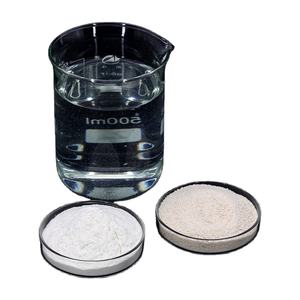
Whether you’re pouring a backyard patio, reinforcing a commercial foundation, or installing modern concrete siding, the right admixture can dramatically improve strength, finish, and longevity. But with dozens of options like superplasticizer, concrete retarder, integral waterproofer, and fiber reinforcement, it’s easy to feel overwhelmed. This guide cuts through the confusion with a practical, step-by-step approach.
2. Understand the Main Admixture Types
Before buying any concrete chemicals, you need to know what each category does. Admixtures fall into two broad groups: chemical and mineral. Chemical admixtures include water reducers, accelerators, and air-entraining agents. Mineral admixtures—like fly ash or silica fume—enhance long-term performance.
- Water reducing admixtures (including superplasticizers) boost workability without adding extra water.
- Accelerating admixtures for concrete shorten setting time—ideal for cold weather or fast-track jobs.
- Concrete retarder admixtures delay curing, useful in hot climates or for large pours.
- Air entraining admixture introduces microscopic air bubbles to improve freeze-thaw resistance.
- Waterproofing admixture (like crystalline or integral types) blocks moisture penetration.
- Fiber reinforcement (polypropylene, steel, or coconut fiber) reduces cracking and boosts tensile strength.
3. Step-by-Step: Choosing the Best Admixture for Concrete
3.1. Define Your Project Goals
Ask: Do you need faster curing? Better flow? Waterproofing? Crack resistance? For example, if you’re installing fibercement siding or concrete fiber siding, a plasticizer for concrete improves moldability. For basement walls, a concrete waterproofing additive is critical.
3.2. Match Admixture to Environmental Conditions
In freezing regions, use air entraining concrete admixtures to prevent spalling. In summer heat, a surface retarder concrete helps control premature drying. For fast curing concrete additives, choose a concrete accelerator—but avoid overuse, which can cause brittleness.
3.3. Select Based on Mix Design
High-strength or self-consolidating concrete often requires a superplasticizer in concrete—especially polycarboxylate ether (PCE) types, which offer superior slump retention. If you’re using white cement for countertops or decorative stamped concrete, ensure your admixture won’t discolor the mix.
4. Common Problems and How to Fix Them
4.1. Segregation or Bleeding
Caused by too much water or improper admixture dosage. Solution: Use a mid-range or high-range water reducer like a concrete water reducer instead of adding extra mixing water. Superplasticizer admixture can reduce water content by 20–40% while maintaining flow.
4.2. Premature Setting
Often happens in hot weather. Fix it by adding a concrete retarder admixture. Dosage typically ranges from 0.1% to 0.5% by weight of cement—always follow manufacturer specs.
4.3. Poor Freeze-Thaw Resistance
If your concrete cracks after winter, you likely skipped air entraining. Add an air entraining agent (typically 0.05–0.2% by cement weight) to create stable micro-bubbles that absorb expansion pressure.
4.4. Water Leakage in Basements or Roofs
Standard concrete isn’t waterproof. Use a crystalline waterproofing admixture or integral waterproofer that reacts with moisture to form insoluble crystals, blocking capillaries permanently. Avoid surface-only sealers for structural elements.
5. Special Applications: Siding, Foam Concrete, and Decorative Finishes
5.1. Concrete Siding and Fiber Reinforcement
For concrete siding that looks like wood—like Hardie or CertainTeed products—fiber reinforced concrete is standard. Add polypropylene fibres for concrete or steel fibers for concrete to prevent shrinkage cracks. Fiberfor concrete mix ratios vary, but 0.6–1.0 kg/m³ of macro fibers is typical for siding panels.
5.2. Lightweight and Foam Concrete
Making CLC (cellular lightweight concrete) blocks? You’ll need a reliable foaming agent for foam concrete. Protein-based or synthetic foaming agents create stable air cells. Always pair with a foam agent for lightweight concrete tested for stability—homemade foaming agents often fail under load.
5.3. Colored and Stamped Concrete
When using colored concrete powder or stamping, include a concrete release agent (powder or spray) to prevent sticking. Choose tinted release agents that complement your stamped concrete colors—like charcoal, terra cotta, or grey. Never skip this step; it ensures clean pattern transfer and protects your molds.
6. Pro Tips for Safe and Effective Use
- Always add admixtures to mixing water first—not directly onto dry cement.
- Never mix different admixture types without checking compatibility (e.g., some superplasticizers react poorly with certain retarders).
- Store concrete additives in cool, dry places. Expired or contaminated admixture chemical can ruin an entire batch.
- For DIYers: Home Depot and other retailers sell pre-measured superplasticizer and concrete waterproof admix kits—ideal for small projects like patios or walkways.
7. Conclusion
Choosing the right admixture used in concrete isn’t just about following a recipe—it’s about understanding your project’s unique demands. Whether you need a superplasticizer for flow, an air entraining admixture for durability, or fiber reinforcement for crack control, the key is precision and compatibility. With the latest ACI recommendations backing high-performance admixtures, now’s the perfect time to upgrade your mix. Test small batches first, document results, and don’t hesitate to consult technical data sheets from trusted brands like Chryso or Sika.
Our Website founded on October 17, 2012, is a high-tech enterprise committed to the research and development, production, processing, sales and technical services of ceramic relative materials such as How. Our products includes but not limited to Boron Carbide Ceramic Products, Boron Nitride Ceramic Products, Silicon Carbide Ceramic Products, Silicon Nitride Ceramic Products, Zirconium Dioxide Ceramic Products, etc. If you are interested, please feel free to contact us.