Concrete4U | Concrete Admixtures, Tools, and Production Machines

7 Practical Steps to Choose and Use the Best Admixtures for Your Concrete Project
1. Introduction
Just 24 hours ago, a major construction materials supplier announced a nationwide shortage of polycarboxylate ether (PCE)-based superplasticizers due to surging demand in green infrastructure projects. This highlights how critical—and sometimes scarce—modern concrete admixtures have become. Whether you’re pouring a backyard patio or reinforcing a commercial foundation, knowing how to choose and use the right admixture can save time, money, and headaches.
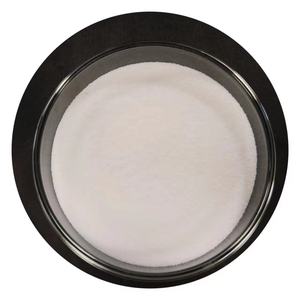
Admixtures are chemical or mineral additives mixed into concrete to enhance its properties. From improving flow with a plasticizer for concrete to speeding up curing with a concrete accelerator, these concrete chemicals solve real-world problems on job sites every day.
2. Understand the Main Types of Concrete Admixtures
Not all admixtures do the same thing. Start by learning the core categories so you can match them to your project’s needs:
- Water reducing admixtures (like superplasticizers) cut water content while boosting workability.
- Concrete retarder or admixture retarder slows setting—ideal for hot weather or long hauls.
- Accelerating admixtures for concrete shorten curing time, especially useful in cold climates.
- Air entraining admixture introduces tiny air bubbles to improve freeze-thaw resistance.
- Waterproofing admixture (including crystalline waterproofing admixture and integral waterproofer) blocks moisture penetration.
- Fiber additives like polypropylene fibres for concrete or steel fibers for concrete add tensile strength and crack control.
3. Choose the Right Superplasticizer for Maximum Workability
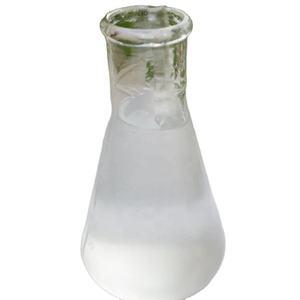
Superplasticizer in concrete is one of the most widely used admixtures today. It’s a high-range water reducer that lets you pour highly fluid yet strong mixes without adding extra water.
Look for polycarboxylate ether (PCE) superplasticizers—they’re more efficient and eco-friendly than older naphthalene or melamine types. PCE-based superplasticizer offers better slump retention and works well with modern cement blends.
When shopping, check labels for ‘superplasticizer admixture for concrete’ or ‘concrete water reducer.’ Brands like Chryso admixture offer reliable performance, but always verify dosage rates—overuse can cause segregation or delayed setting.
4. Solve Common Problems with Targeted Additives
Stuck with sticky forms? Use a concrete release agent like a water-based release agent or powder release agent to prevent adhesion.
Pouring in summer heat? Add a concrete retarder admixture or surface retarder concrete to keep the mix workable longer.
Need fast turnaround? Fast curing concrete additives or a concrete accelerator will reduce curing time significantly.
For basements or water tanks, a concrete waterproofing additive—especially a crystalline waterproofing admixture—creates a permanent barrier within the matrix itself.
Don’t confuse cement waterproofing additive with surface sealers; true admixture waterproofing works from the inside out.
5. Don’t Forget Fibers for Crack Resistance
Fibers for concrete aren’t just for industrial slabs. Adding reinforcement fiber for concrete like polypropylene fibre or macro fibers improves durability in driveways, sidewalks, and even concrete siding.
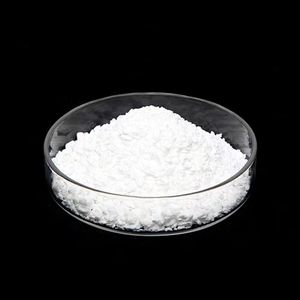
Fiber reinforced concrete resists plastic shrinkage cracks during early curing. For homes using concrete fiber siding or fibercement siding, fiber inclusion enhances impact resistance and longevity.
Mix fibers evenly—use a fiber concrete mix designed for uniform dispersion. Avoid clumping by adding fibers during initial batching, not after water.
6. Mix and Apply Admixtures Correctly
Even the best admixture fails if misused. Follow these steps:
- Always read the manufacturer’s data sheet (often called a bio data sheet).
- Add liquid admixtures to mixing water before introducing cement.
- For powdered additives like colored concrete powder or concrete stain powder, blend thoroughly with dry ingredients first.
- Never guess dosages. Typical superplasticizer admixture rates range from 0.5% to 2% by weight of cement.
- Test small batches first—especially when combining multiple admixtures (e.g., air entraining agent + superplasticizer).
7. Avoid Costly Mistakes
Using expired or incompatible admixtures can ruin an entire pour. Store concrete chemicals in cool, dry places. Don’t mix protein-based foaming agents with synthetic ones unless approved.
Beware of ‘homemade foaming agent for concrete’ hacks—they rarely meet performance standards. Stick to tested products like CLC foaming agent for foam concrete.
And remember: white cement isn’t an admixture—it’s a binder. But you can pair it with tinted concrete additives for custom colors in countertops or pavers.
8. Conclusion
Choosing the right admixture used in concrete isn’t guesswork—it’s smart engineering. Whether you need a water reducer for high-strength columns, an air entraining concrete mix for northern climates, or a waterproof admix for a basement wall, understanding admixture types ensures better results. With shortages affecting supply chains, planning ahead and using products efficiently has never been more important.
Our Website founded on October 17, 2012, is a high-tech enterprise committed to the research and development, production, processing, sales and technical services of ceramic relative materials such as 7. Our products includes but not limited to Boron Carbide Ceramic Products, Boron Nitride Ceramic Products, Silicon Carbide Ceramic Products, Silicon Nitride Ceramic Products, Zirconium Dioxide Ceramic Products, etc. If you are interested, please feel free to contact us.