Concrete4U | Concrete Admixtures, Tools, and Production Machines

How to Choose and Use the Right Admixtures for Your Concrete Project
1. Introduction
Just 24 hours ago, a major construction materials supplier announced a nationwide shortage of naphthalene-based superplasticizers due to rising environmental regulations—pushing builders toward newer, greener alternatives like polycarboxylate ether (PCE) superplasticizers. This shift highlights how critical it is to understand modern admixture options and how to use them correctly.
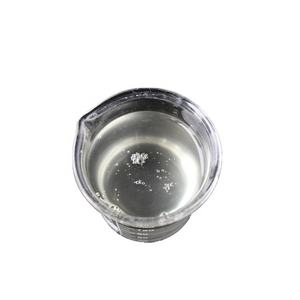
Whether you’re pouring a backyard patio, reinforcing a foundation, or waterproofing a basement, choosing the right concrete admixture can make or break your project. In this guide, we’ll walk you through how to select and apply the best admixture for concrete based on your goals—without wasting time or money.
2. Understand the Main Types of Concrete Admixtures
Admixtures are chemical or mineral additives mixed into concrete to modify its properties. They fall into two broad categories: chemical admixtures and mineral admixtures.
- Chemical admixtures include superplasticizers, accelerators, retarders, air-entraining agents, and waterproofing additives.
- Mineral admixtures (like fly ash or silica fume) improve long-term strength and durability but are often used alongside chemical types.
Knowing these categories helps you narrow down what you actually need before shopping for products like Chryso admixture or generic concrete chemicals.
3. Match the Admixture to Your Project Goal
Don’t guess—match the admixture type to your specific need:
- Need better flow without adding water? Use a water reducing admixture like a superplasticizer in concrete.
- Pouring in cold weather? An accelerating admixture for concrete will speed up curing time.
- Working in hot climates or with long hauls? A concrete retarder admixture keeps the mix workable longer.
- Want freeze-thaw resistance? Add an air entraining admixture to create microscopic air bubbles that cushion ice expansion.
- Waterproofing a basement or pool? Look for a crystalline waterproofing admixture or integral waterproofer.
Each goal has a purpose-built solution among the many concrete admixture types available today.
4. How to Use Superplasticizers Correctly
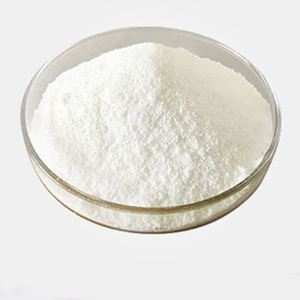
Superplasticizers (also called high-range water reducers) are among the most popular concrete additives. They dramatically increase workability while reducing water content—boosting strength and durability.
The best superplasticizer for concrete today is typically a PCE-based (polycarboxylate ether) formula. It outperforms older melamine or naphthalene sulfonate types in slump retention and compatibility.
To use it properly:
- Add the superplasticizer admixture after initial mixing, not with dry cement.
- Follow dosage instructions precisely—usually 0.5% to 2% by weight of cement.
- Never add extra water after dosing; it defeats the purpose.
Overdosing can cause segregation or excessive bleeding, so always test a small batch first.
5. Choosing Between Accelerators and Retarders
Confusing these two is a common mistake. A concrete accelerator shortens setting time—ideal for cold weather or fast-track jobs. Look for products labeled ‘fast curing concrete additives.’
A concrete retarder does the opposite—it delays hardening. Surface retarder concrete is even used for exposed-aggregate finishes.
Tip: Never use both in the same mix unless directed by a specialist. They counteract each other.
6. Waterproofing and Fiber Reinforcement Tips
For waterproofing, choose between integral options (mixed in) versus surface coatings. A concrete waterproofing additive like a crystalline admixture reacts with moisture to seal pores from within—far more effective than paint-on solutions.
Fibers add toughness. Polypropylene fibres for concrete prevent plastic shrinkage cracks, while steel fibers for concrete boost impact resistance in industrial floors.
When using fiber reinforced concrete:
- Add fibers during mixing to ensure even distribution.
- Don’t skip vibration—fibers can trap air if not properly consolidated.
- For residential siding, consider fibercement siding (like Hardie or CertainTeed), which uses cellulose or synthetic fibers—not the same as cast-in-place fiberfor concrete mixes.
7. Avoid Common Mistakes
Even experienced contractors slip up. Here’s how to stay safe:
- Never assume all ‘plasticizer for concrete’ products are equal—some are mid-range water reducers, others are true superplasticizers.
- Don’t mix incompatible admixtures (e.g., some air-entraining agents react poorly with certain superplasticizers).
- Always check expiration dates—old admixture chemical batches lose potency.
- Store liquid admixtures above freezing; some degrade below 40°F (4°C).
8. Where to Buy and What to Look For
You can find basic concrete additives at Home Depot or local suppliers, but specialty items like protein-based foaming agents or PCE superplasticizers may require online or industrial vendors.
Look for technical data sheets (not just marketing claims) to verify performance specs. Reputable brands provide bio data sheets detailing dosage, compatibility, and safety.
9. Conclusion
Choosing the right admixture used in concrete isn’t about picking the most expensive product—it’s about matching chemistry to your real-world conditions. Whether you need a concrete water reducer for high-strength columns, an air entraining agent for northern driveways, or a waterproof admix for a garden pond, understanding these tools puts you in control. Test small batches, read labels carefully, and when in doubt, consult a supplier’s technical rep. Your concrete—and your timeline—will thank you.
Our Website founded on October 17, 2012, is a high-tech enterprise committed to the research and development, production, processing, sales and technical services of ceramic relative materials such as How. Our products includes but not limited to Boron Carbide Ceramic Products, Boron Nitride Ceramic Products, Silicon Carbide Ceramic Products, Silicon Nitride Ceramic Products, Zirconium Dioxide Ceramic Products, etc. If you are interested, please feel free to contact us.