Concrete4U | Concrete Admixtures, Tools, and Production Machines

Admixtures Are the Secret Sauce Behind High-Performance Concrete
1. Introduction
Ever wonder how today’s concrete can be poured into complex shapes, set faster, resist freezing, or even look like wood? The answer lies in admixtures—specialized additives mixed into concrete to fine-tune its properties. Far from being optional extras, admixtures are now essential tools for engineers, contractors, and DIY builders alike.
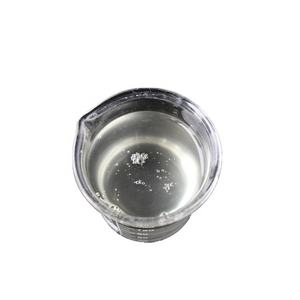
From skyscrapers to backyard patios, modern concrete relies on these carefully engineered chemicals and minerals to meet performance, safety, and design demands. Let’s break down what admixtures are, why they matter, and which ones do what.
2. What Are Admixtures?
Admixtures (sometimes spelled ‘ad mixtures’) are ingredients added to concrete before or during mixing to modify its fresh or hardened properties. They’re used in small quantities—typically less than 5% by weight of cement—but deliver outsized benefits.
There are two broad categories: chemical admixtures and mineral admixtures. Chemical admixtures include liquids or powders like superplasticizers and accelerators, while mineral admixtures are finely ground materials like fly ash or silica fume that improve long-term strength and durability.
3. Common Types of Concrete Admixture
Not all admixtures serve the same purpose. Here’s a quick look at the most widely used concrete admixture types:
- Water reducing admixtures (also called concrete water reducers) cut the amount of mixing water needed, boosting strength without sacrificing workability.
- Superplasticizers (or super plasticizers) are high-range water reducers that dramatically increase flow—ideal for self-consolidating or high-strength concrete.
- Concrete accelerators speed up curing time, especially useful in cold weather or when fast form removal is needed.
- Concrete retarders delay setting, giving crews more time to place and finish concrete in hot conditions.
- Air entraining admixtures introduce tiny air bubbles that protect against freeze-thaw damage—critical in colder climates.
- Waterproofing admixtures (like integral waterproofer or crystalline waterproofing admixture) block moisture penetration from within the concrete matrix.
4. Superplasticizers: The Game-Changer
Among all concrete chemicals, superplasticizer admixtures stand out. Made from polycarboxylate ether (PCE), naphthalene, or melamine sulfonates, they act as powerful plasticizers for concrete—allowing mixes with very low water-cement ratios while staying highly fluid.
Superplasticizer in concrete enables thinner structural elements, longer pumping distances, and smoother finishes. PCE-based superplasticizers are now the gold standard due to their efficiency and compatibility with modern cements.
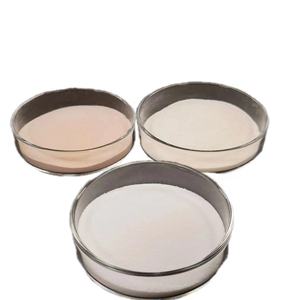
Whether you call it a superplasticizer, plasticizer admixture, or concrete superplasticizer additive, this admixture is often the best admixture for concrete when high performance is required.
5. Waterproofing and Durability Enhancers
Moisture is concrete’s biggest enemy. That’s where waterproof admix like cement waterproofing additive or concrete waterproofing additive come in. These admixtures create a hydrophobic barrier inside the concrete, preventing water ingress without surface coatings.
Crystalline waterproofing admixture is especially effective—it reacts with water and unhydrated cement to form insoluble crystals that permanently seal pores and microcracks.
For basements, tunnels, or water tanks, using a reliable waterproofing admixture for concrete isn’t just smart—it’s essential.
6. Fiber Reinforcement: Beyond Steel
Fibers for concrete—such as polypropylene fibres, steel fibers, or even coconut fiber—add tensile strength and crack resistance. Unlike traditional rebar, fibers distribute reinforcement evenly throughout the mix.
Polypropylene fibre (PP fiber concrete) is popular for slabs and pavements because it controls plastic shrinkage cracks. Steel fiber reinforced concrete offers higher impact resistance, while carbon fiber reinforcement in concrete pushes the limits of ultra-high-performance applications.
Products like fibermesh concrete or fiber reinforced polymer concrete are increasingly common in driveways, industrial floors, and even decorative concrete siding.
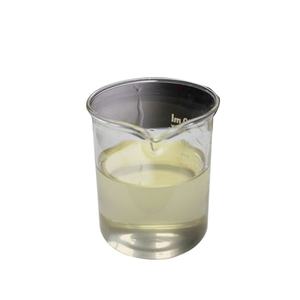
7. Specialty Additives for Aesthetics and Function
Want colored concrete? Use tinted concrete powder or stamped concrete colors with a compatible release agent. Speaking of which, concrete release agents—spray, oil, or powder—prevent stamps from sticking during decorative work.
Foaming agents for foam concrete (like protein-based or synthetic CLC foaming agents) create lightweight cellular concrete used in insulation blocks or void filling.
And for clean, bright finishes, white cement—often paired with superplasticizer for workability—is the go-to for countertops, tiles, and architectural features.
8. Choosing the Right Admixture
The best admixture for concrete depends on your project’s needs: climate, timeline, structural demands, and design goals. Always check compatibility—some admixtures interact poorly when combined.
Brands like Chryso offer tailored solutions, but even home improvement stores like Home Depot carry basic concrete additives for mortar or fast curing concrete additives for DIYers.
When in doubt, consult technical data sheets (sometimes called bio data sheets) from manufacturers to understand dosage, mixing procedures, and expected performance.
9. Conclusion
Admixtures have transformed concrete from a simple building material into a high-tech, customizable composite. Whether you’re speeding up a pour with accelerating admixtures for concrete, adding resilience with reinforcement fiber for concrete, or achieving a wood-like look with modern concrete siding, there’s an admixture designed for the job.
Understanding admixture types—and how they work together—empowers builders to create safer, longer-lasting, and more beautiful structures. In today’s construction world, skipping admixtures isn’t just outdated—it’s a missed opportunity.
Our Website founded on October 17, 2012, is a high-tech enterprise committed to the research and development, production, processing, sales and technical services of ceramic relative materials such as Admixtures. Our products includes but not limited to Boron Carbide Ceramic Products, Boron Nitride Ceramic Products, Silicon Carbide Ceramic Products, Silicon Nitride Ceramic Products, Zirconium Dioxide Ceramic Products, etc. If you are interested, please feel free to contact us.