Concrete-mesa | Concrete Admixtures, Tools, and Production Machines

Pharmaceutical Grade Hydroxyethyl Cellulose: The Definitive Guide to Specs, Use, and Sourcing
What Pharmaceutical Grade Hydroxyethyl Cellulose Really Means
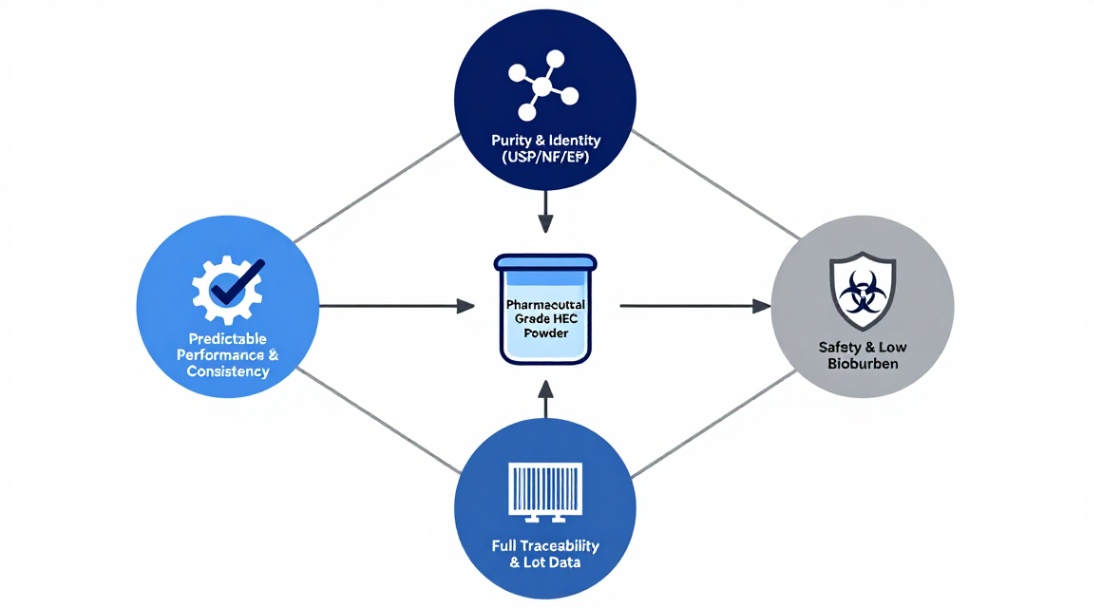
Pharmaceutical grade hydroxyethyl cellulose is a non-ionic, water-soluble polymer engineered for one critical purpose: meeting the exacting standards of drug formulation and regulatory compliance. This isn’t just a purer version of industrial material. It’s a different product entirely, governed by monographs like USP/NF and EP. We specify it for its predictable performance, safety, and traceability in applications ranging from tablet coatings to ophthalmic solutions. The ‘grade’ is defined by its quality attributes, not just its name.
The Critical Differences Between Pharmaceutical and Other Grades
Using an industrial or cosmetic grade in a drug product is a non-starter. The risks are too high. The core differences are foundational.
1. Purity and Impurity Profiles
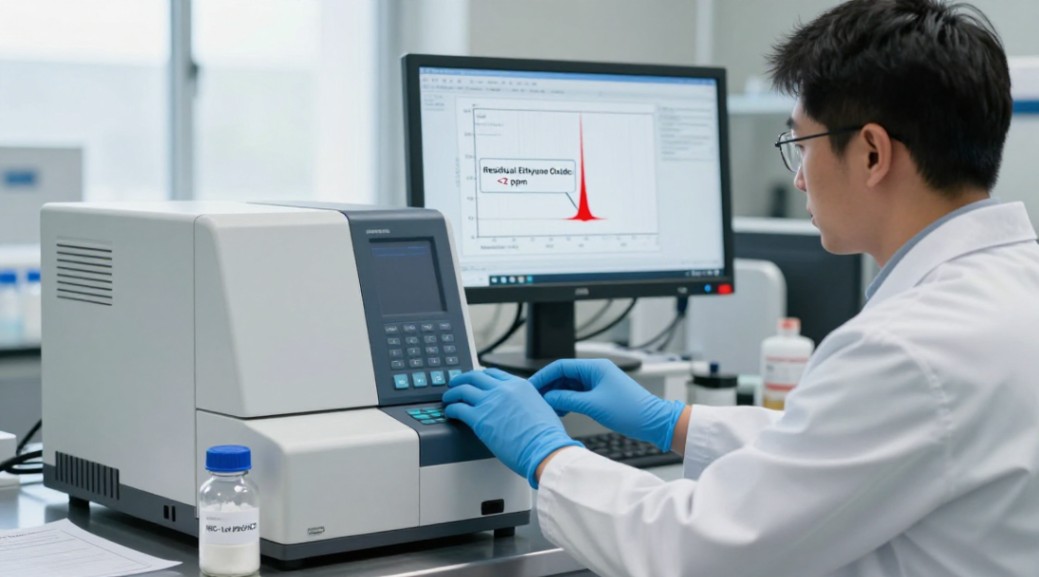
Pharmaceutical grade HEC has strict limits on residual solvents, heavy metals (like lead and arsenic), and microbial load. Industrial grades may contain processing aids or contaminants unacceptable for human consumption. We’ve seen batches rejected for trace ethylene oxide, a common residue from manufacturing that must be controlled to ppm levels in pharma-grade material.
2. Documentation and Traceability
Every batch comes with a comprehensive Certificate of Analysis (CoA). This document is your proof. It details parameters like viscosity, substitution level (MS), ash content, and purity assays. A reliable supplier will also have a Drug Master File (DMF) on record with agencies like the FDA, which provides confidential details on manufacturing and controls to support your regulatory filings.
3. Consistency and Performance
Batch-to-batch consistency is non-negotiable. Viscosity of a 1% or 2% solution must fall within a tight range. A slight deviation can alter the drug release profile from a matrix tablet or change the spreadability of a topical gel. Industrial grades prioritize cost and bulk properties, not this level of precision.
How to Select and Qualify a Pharmaceutical Grade HEC Supplier
Choosing the right source is your first and most important quality control step. Don’t just shop on price. Here’s our step-by-step approach.
Step 1: Audit the Compliance Foundation. Request their regulatory documentation upfront. Confirm they manufacture under a cGMP (current Good Manufacturing Practice) system. Ask if they have a Type IV DMF (for excipients) and if it is active. This step filters out suppliers who cannot support a regulatory submission.
Step 2: Scrutinize the Certificate of Analysis. A proper CoA for pharmaceutical grade hydroxyethyl cellulose should list test methods (e.g., USP <911> for viscosity) and exact results against specifications. Look for key attributes: apparent viscosity, MS (Molar Substitution), pH, loss on drying, residue on ignition, and microbial limits. If the CoA is vague, move on.
Step 3: Evaluate Technical Support. Can they provide application data for your specific use case? For example, if you’re developing a sustained-release tablet, ask for dissolution profiles using their HEC in a model formulation. A good supplier acts as a partner. Many users on professional forums like Reddit’s r/pharmacy or industry groups emphasize that a supplier’s responsiveness to troubleshooting is as valuable as the product itself.
Step 4: Secure and Test Samples. Perform your own in-house testing against the CoA. Conduct a functionality test, like preparing a gel or a film coat, to see if it performs as expected in your process. This final validation is critical.
Core Functions and Applications in Drug Formulation
Pharmaceutical grade HEC is a versatile workhorse. Its safety and biocompatibility profile makes it a first-choice polymer for multiple drug delivery challenges.
As a Binder and Film-Former in Solid Dosage Forms
In wet granulation, a 2-5% HEC solution acts as an effective binder for tablets. It produces granules with good mechanical strength. For coating, HEC forms clear, tough films. It’s often used in conjunction with other polymers. The grade ensures the film doesn’t introduce impurities that could affect drug stability.
As a Matrix for Controlled Drug Release
This is a key application. HEC hydrates to form a gelatinous barrier. Drug release occurs through diffusion and erosion of this gel layer. The release rate depends heavily on the viscosity grade and substitution level of the HEC you select. Using a pharmaceutical grade here is mandatory-inconsistent polymer properties lead to unpredictable drug release and failed bioequivalence studies.
In Topical and Ophthalmic Formulations
In creams and gels, HEC acts as a thickener and stabilizer, providing elegant rheology. For ophthalmic solutions, it’s a lubricant and artificial tear component. The high purity of the pharmaceutical grade is essential for ocular safety and to prevent irritation. It also enhances bioavailability by increasing corneal contact time.
Future Trends and Advanced Applications
The role of pharmaceutical grade hydroxyethyl cellulose is expanding. We’re seeing increased use in complex hydrogel systems for wound dressings and as a stabilizer in nanoparticle drug carriers. Its biocompatibility drives innovation. The demand is shifting toward even more specialized grades with tailored rheological profiles for 3D bioprinting of drug-loaded scaffolds. The future hinges on this material’s proven safety and our ability to precisely engineer its properties.
Mastering pharmaceutical grade hydroxyethyl cellulose comes down to understanding its specifications, verifying its quality, and applying it with precision. Start your next formulation by sourcing material that comes with the full story-a detailed CoA, a supportive DMF, and a supplier who speaks your language. Your drug’s performance depends on it.
Supplier
We are the global leader in lightweight concrete and advanced engineered foam solutions. Known globally for its commitment to research, innovation, and applied expertise, we have been providing engineered foam solutions since the early 2012’s.
We can supply high-quality concrete admixture and foam concrete related products all over the world.
The company has a professional technical department and quality supervision department, a well-equipped laboratory, and equipped with advanced testing equipment and after-sales customer service center.
If you are interested, please feel free and contact us.