Concrete-mesa | Concrete Admixtures, Tools, and Production Machines

Admixtures Are the Secret Sauce Behind High-Performance Concrete
1. Introduction
Ever wonder how modern concrete achieves such incredible strength, flow, or weather resistance? The answer often lies not in the cement itself—but in the smart use of admixtures. Admixtures are chemical or mineral additives mixed into concrete during batching to modify its properties. From speeding up curing time with a concrete accelerator to making it waterproof with a crystalline waterproofing admixture, these concrete chemicals unlock performance that plain concrete simply can’t match.
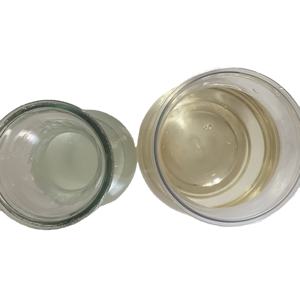
Today’s construction demands more than just basic mixes. That’s why professionals rely on everything from superplasticizer in concrete for high-flow applications to polypropylene fibres for crack control. Let’s break down what admixtures are, the most common admixture types, and how they transform ordinary concrete into a high-performance building material.
2. What Are Admixtures?
Admixtures—sometimes spelled ‘ad mixtures’—are ingredients added to concrete, mortar, or grout before or during mixing. They typically make up less than 5% of the total mix but can dramatically alter workability, setting time, strength, durability, or appearance. These concrete additives fall into two broad categories: chemical admixtures and mineral admixtures.
Chemical admixtures include liquid or powder formulations like superplasticizers, retarders, and air-entraining agents. Mineral admixtures, such as fly ash or silica fume, are finely ground materials that improve long-term performance and sustainability. Both play vital roles in tailoring concrete to specific project needs.
3. Common Types of Concrete Admixtures
3.1 Water-Reducing Admixtures and Superplasticizers
Water reducing admixtures lower the water content needed for a given slump (workability), which boosts strength and durability. Among these, superplasticizers—also called high-range water reducers—are game-changers. Made from polycarboxylate ether (PCE) or naphthalene sulfonate, super plasticizers can reduce water by 30% or more without sacrificing flow.
Superplasticizer admixture is essential for self-consolidating concrete, precast elements, and high-strength applications. PCE-based superplasticizers are now preferred for their superior performance and compatibility with modern cements. If you’re looking for the best superplasticizer for concrete, options like Chryso admixture or other branded polycarboxylate superplasticizers offer excellent results.
3.2 Accelerators and Retarders
Need fast curing concrete additives? Concrete accelerators shorten setting time and boost early strength—ideal for cold-weather pours or emergency repairs. Calcium chloride is a classic example, though non-chloride alternatives are used where corrosion is a concern.
On the flip side, a concrete retarder delays hydration, useful in hot climates or for long hauls. Surface retarder concrete products even allow decorative finishes by slowing the top layer’s set while the base hardens. Admixture retarder types give contractors precise control over concrete accelerator curing time and placement schedules.
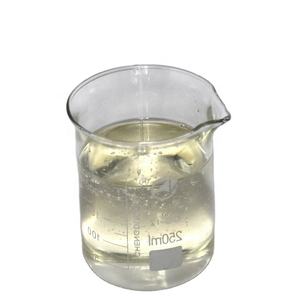
3.3 Air-Entraining Admixtures
Air entraining concrete contains millions of microscopic air bubbles created by an air entraining admixture (or air entraining agent). These bubbles act as pressure relief valves during freeze-thaw cycles, preventing cracking. Air entraining cement is standard in regions with harsh winters and is required in many infrastructure specs.
This type of admixture improves durability without significantly reducing strength—making it one of the most cost-effective concrete chemicals for long-lasting structures.
3.4 Waterproofing Admixtures
From basements to bridges, keeping water out is critical. Waterproofing admixture for concrete comes in several forms: integral waterproofers, crystalline admixtures, and hydrophobic additives. A concrete waterproofing additive like a crystalline waterproofing admixture reacts with moisture and unhydrated cement to form insoluble crystals that block capillaries.
Other options include cement waterproofing additive blends or waterproof admix formulas that repel water at the molecular level. These admixture waterproofing solutions eliminate the need for external membranes in many applications.
3.5 Fiber Reinforcement
Fibers for concrete—such as steel fibers for concrete, polypropylene fibre, or even coconut fiber reinforced concrete—add tensile strength and reduce cracking. Fiber reinforced concrete is widely used in slabs, shotcrete, and industrial floors.
Macro fibers and microfibers serve different purposes: macro fibers (like steel or synthetic) provide structural reinforcement, while microfibers (e.g., pp fiber concrete) control plastic shrinkage. Products like Fibermesh concrete or carbon fiber reinforced concrete push performance even further. Though concrete fiber siding and fibercement siding are related building products, they’re distinct from fiber-reinforced structural concrete.
3.6 Specialty Additives
Beyond core performance, admixtures enable aesthetics and ease of use. Concrete release agents—powder or spray—prevent forms from sticking. Colored concrete uses tinted powders or stains, while stamped concrete colors and patterns mimic stone, brick, or wood. For lightweight applications, a concrete foaming agent creates cellular concrete (foamcrete), ideal for insulation or void filling.
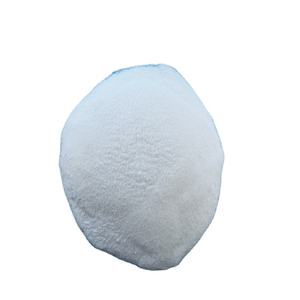
White cement, often used with superplasticizers for bright, smooth finishes, is popular for countertops and architectural elements. And don’t forget additive for mortar—many admixtures work equally well in masonry applications.
4. Choosing the Best Admixture for Concrete
The best admixture for concrete depends on your project’s environment, design specs, and budget. Ask: Do you need faster set times? Better flow? Freeze-thaw resistance? Waterproofing? Most modern mixes combine multiple admixture types—say, a superplasticizer plus an air entraining agent plus fibers—for balanced performance.
Always follow manufacturer guidelines and conduct trial batches. Reputable brands like Chryso, Sika, or BASF offer reliable concrete admixture types with technical support. For DIYers, products are available at retailers like Home Depot—including concrete siding, release agents, and basic superplasticizers.
5. Conclusion
Admixtures are indispensable tools in modern concrete technology. Whether you’re using a simple water reducer or a sophisticated polycarboxylate ether superplasticizer, these concrete chemicals solve real-world challenges—from durability in extreme climates to sleek architectural finishes. Understanding admixture used in concrete empowers builders to create safer, longer-lasting, and more versatile structures. So next time you see a flawless concrete surface or a resilient bridge deck, remember: it’s not just cement—it’s smart chemistry at work.
Our Website founded on October 17, 2012, is a high-tech enterprise committed to the research and development, production, processing, sales and technical services of ceramic relative materials such as Admixtures. Our products includes but not limited to Boron Carbide Ceramic Products, Boron Nitride Ceramic Products, Silicon Carbide Ceramic Products, Silicon Nitride Ceramic Products, Zirconium Dioxide Ceramic Products, etc. If you are interested, please feel free to contact us.