Concrete4U | Concrete Admixtures, Tools, and Production Machines

10 Essential Types of Admixtures Every Concrete Professional Should Know in 2024
1. Introduction
In a major development reported just 48 hours ago, global construction giant LafargeHolcim announced a strategic partnership with Chryso to accelerate the deployment of next-generation concrete admixtures across North America and Europe. This move underscores the growing reliance on advanced concrete chemicals to meet sustainability targets and improve structural resilience. As infrastructure projects expand worldwide, understanding admixtures—the specialized additives that modify the properties of fresh or hardened concrete—has become essential for engineers, contractors, and architects alike.
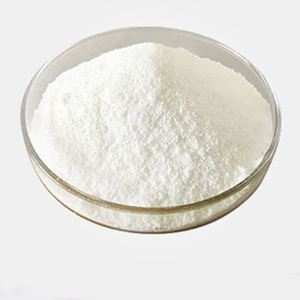
Admixtures are integral components in modern concrete technology, enabling tailored solutions for strength, setting time, durability, and aesthetics. Whether you’re working on high-rise buildings, bridges, or residential driveways, selecting the right admixture can significantly impact performance, cost-efficiency, and longevity. This article offers a detailed yet accessible guide to the most critical admixture types used in concrete today.
2. What Are Admixtures?
Admixtures, often referred to as concrete additives or cement admixtures, are materials added to concrete before or during mixing to enhance specific characteristics. These chemical or mineral substances—collectively known as admixture chemicals—are used in small quantities but yield substantial improvements in workability, curing time, resistance to environmental stressors, and more. The term ‘ad mixtures’ is sometimes used colloquially, though the correct technical term is ‘admixtures.’
Modern concrete rarely relies solely on cement, water, and aggregates. Instead, it incorporates carefully engineered admixtures to meet precise project requirements. From accelerating early strength gain to enabling intricate stamped concrete designs, these additives have revolutionized construction practices.
3. Key Types of Concrete Admixtures
3.1 Water-Reducing Admixtures and Superplasticizers
Water reducing admixtures are among the most widely used concrete chemicals. They decrease the water content required for a given slump, thereby increasing strength and durability without compromising workability. High-range water reducers, commonly known as superplasticizers or super plasticizers, offer even greater efficiency. Polycarboxylate ether (PCE)-based superplasticizer admixtures are now the industry standard due to their superior performance and compatibility with diverse cement types. These superplasticizer in concrete formulations allow for self-consolidating concrete mixes and are essential in high-strength applications. Other variants include naphthalene-based and melamine sulfonate superplasticizers, though PCE dominates the market for its low dosage and minimal slump loss.
3.2 Accelerators and Retarders
Concrete accelerator admixtures shorten setting time and boost early strength development—critical in cold weather or fast-track projects. Accelerating admixtures for concrete often contain calcium chloride or non-chloride alternatives to avoid corrosion risks. Conversely, concrete retarder admixtures delay hydration, useful in hot climates or for long-haul deliveries. Surface retarder concrete products are also employed in decorative applications to expose aggregates. Both admixture retarder and accelerator types must be selected based on ambient conditions and structural requirements.
3.3 Air-Entraining Admixtures
Air entraining concrete admixtures introduce microscopic air bubbles into the mix, improving freeze-thaw resistance and workability. These air entraining agents—often derived from vinsol resin or synthetic surfactants—create stable voids that act as pressure relief valves during ice formation. Air entraining admixture is mandatory in regions with harsh winters and is frequently specified in standards for durable pavements and bridge decks.
3.4 Waterproofing and Integral Additives
Waterproofing admixture for concrete includes crystalline waterproofing admixture, integral waterproofer, and cement waterproofing additive systems that block capillary pores from within. Unlike surface coatings, these admixture waterproofing solutions become part of the matrix, offering long-term protection against moisture ingress. Concrete waterproof admix and waterproof admix products are especially valuable in basements, tunnels, and water-retaining structures.
3.5 Mineral Admixtures
Mineral admixture materials like fly ash, slag, and silica fume partially replace cement, enhancing sustainability and long-term strength. While not chemical admixtures per se, they synergize with superplasticizers to produce high-performance, low-carbon concrete. Their inclusion reduces heat of hydration and improves resistance to sulfate attack.
3.6 Fiber Reinforcement
Fibers for concrete—including polypropylene fibres for concrete, steel fibers for concrete, and even coconut fiber reinforced concrete—provide crack control and post-crack ductility. Fiber reinforced concrete is increasingly used in industrial floors, shotcrete, and seismic-resistant elements. Macro fibers and microfibers serve distinct roles: macro fibers enhance structural toughness, while concrete microfiber mitigates plastic shrinkage. Brands like Fibermesh concrete and Hardie concrete siding leverage fiber reinforcement for durability in building products such as concrete fiber siding and fibercement siding.
3.7 Foaming Agents for Lightweight Concrete
Concrete foaming agent technologies enable the production of cellular lightweight concrete (CLC). Protein-based or synthetic foaming agent for foam concrete creates stable air cells, reducing density while maintaining insulation properties. CLC foaming agent and aircrete foaming agent systems are gaining traction in green building due to their thermal efficiency and reduced material usage.
3.8 Colorants and Release Agents
Colored concrete relies on pigments and release agents for aesthetic finishes. Stamped concrete colors—from charcoal to terra cotta—are achieved using colored concrete powder and concrete stain powder. Form release agents, including water-based release agent sprays and powder release agents, prevent adhesion during stamping while adding accent hues. Products like Brickform liquid release ensure clean pattern transfer without surface defects.
3.9 White Cement and Specialty Binders
White cement, prized for architectural finishes and countertops, often requires compatible superplasticizers and waterproof white cement additives. Its use in white concrete mix designs demands careful selection of admixtures to maintain brightness and performance.
3.10 Proprietary Systems and Brand Solutions
Leading manufacturers like Chryso admixture offer integrated systems that combine multiple functionalities—such as fast curing concrete additives with built-in waterproofing. These proprietary blends represent the cutting edge of admixture technology, tailored for complex project demands.
4. Choosing the Best Admixture for Concrete
Selecting the best admixture for concrete depends on environmental conditions, structural requirements, and desired finish. For instance, a high-rise in a coastal area may require a combination of superplasticizer admixture, air entraining agent, and crystalline waterproofing admixture. Always consult technical data sheets and consider compatibility testing, especially when using multiple concrete chemicals simultaneously.
5. Conclusion
Admixtures are no longer optional extras—they are fundamental to modern concrete engineering. From superplasticizer in concrete to advanced fiber reinforcement and integral waterproofing, these additives empower builders to achieve unprecedented levels of performance, sustainability, and design flexibility. As innovations like PCE-based superplasticizers and bio-based foaming agents continue to evolve, staying informed about admixture types and their applications will remain crucial for success in the construction industry.
Our Website founded on October 17, 2012, is a high-tech enterprise committed to the research and development, production, processing, sales and technical services of ceramic relative materials such as 10. Our products includes but not limited to Boron Carbide Ceramic Products, Boron Nitride Ceramic Products, Silicon Carbide Ceramic Products, Silicon Nitride Ceramic Products, Zirconium Dioxide Ceramic Products, etc. If you are interested, please feel free to contact us.