Concrete-mesa | Concrete Admixtures, Tools, and Production Machines

7 Essential Steps to Choose and Use the Best Concrete Admixtures for Your Project
1. Introduction
Just 24 hours ago, major construction suppliers like Chryso and Sika announced expanded availability of eco-friendly superplasticizers and crystalline waterproofing admixtures in response to rising demand for durable, low-carbon concrete. This shift highlights a growing trend: builders are moving beyond basic mixes and embracing advanced concrete chemicals to solve real-world problems like cracking, slow curing, and water damage.
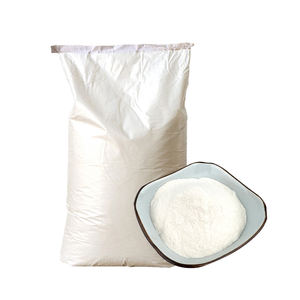
Whether you’re pouring a backyard patio or managing a commercial build, knowing how to use admixtures correctly can save time, cut costs, and dramatically improve performance. In this step-by-step guide, we’ll show you how to pick and apply the best admixture for concrete—without guesswork.
2. Identify Your Concrete Challenge
Before buying any concrete additives, ask: What problem are you solving? Common issues include:
- Concrete setting too fast in hot weather (use a concrete retarder)
- Needing faster strength gain (choose a concrete accelerator)
- Poor workability or stiff mix (add a superplasticizer or plasticizer for concrete)
- Exposure to freeze-thaw cycles (use an air entraining admixture)
- Risk of water penetration (opt for a waterproofing admixture like integral waterproofer or crystalline waterproofing admixture)
Matching the issue to the right admixture type ensures you don’t overpay or underperform.
3. Understand Key Admixture Types

Not all concrete admixtures are created equal. Here’s a quick breakdown of the most useful categories:
- Water reducing admixtures: Include mid-range and high-range water reducers (like superplasticizer in concrete) that boost flow without extra water. Superplasticizer admixture—especially polycarboxylate ether (PCE) types—are the gold standard for high-strength, self-consolidating concrete.
- Accelerating admixtures for concrete: Reduce curing time. Ideal for cold-weather pours or fast-track projects. Look for products labeled ‘concrete accelerator’ or ‘fast curing concrete additives’.
- Concrete retarder admixture: Delays setting, perfect for long hauls or hot climates. Surface retarder concrete is used for exposed aggregate finishes.
- Air entraining concrete: Adds microscopic air bubbles via air entraining agent to resist freeze-thaw damage. Often called air entraining cement when pre-blended.
- Waterproof admix: Includes cement waterproofing additive, concrete waterproofing additive, and crystalline waterproofing admixture. These block moisture at the molecular level.
- Fiber reinforcement: Polypropylene fibres for concrete, steel fibers for concrete, or coconut fiber reinforced concrete add tensile strength and reduce cracking. Great for fiber reinforced concrete slabs or concrete siding applications.
4. Select the Right Product for Your Mix
Once you know your need, choose a compatible product. For example:
- Best superplasticizer for concrete? Polycarboxylate-based superplasticizers offer superior slump retention and lower dosage rates than older naphthalene or melamine types.
- Need waterproofing? Crystalline waterproofing admixture works by reacting with moisture to form insoluble crystals that seal pores—ideal for basements or water tanks.
- For DIY projects like stamped concrete, a concrete release agent (powder or spray) prevents sticking while adding color. Pair with colored concrete powder for custom looks.
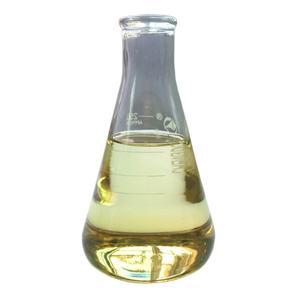
Check labels for terms like ‘chemical admixture for concrete’, ‘cement admixture’, or ‘additive for mortar’ to ensure suitability.
5. Follow Dosage and Mixing Instructions Precisely
Even the best admixture fails if misused. Always:
- Measure by weight or volume as specified (e.g., superplasticizer is typically 0.5–2% by cement weight).
- Add during mixing—not after. Most water reducer or plasticizer admixture should go in with the mix water.
- Never exceed recommended doses. Too much air entraining can weaken concrete; too much superplasticizer causes segregation.
Pro tip: When using fiberfor concrete mix (like macro fibers or pp fiber concrete), add fibers early in the batch cycle to ensure even dispersion.
6. Test Before Full-Scale Use
Run a small trial batch first. Check:
- Workability (slump test)
- Setting time (does your concrete accelerator curing time match expectations?)
- Finish quality (especially with colored or stamped concrete)
This avoids costly mistakes—like discovering your chosen concrete plasticiser makes the mix too fluid for vertical forms.
7. Store and Handle Safely
Concrete chemicals like superplasticizer, foaming agent for foam concrete, or anti corrosion coating spray require proper storage:
- Keep containers sealed and away from freezing or extreme heat.
- Use PPE when handling concentrated admixture chemical products.
- Note shelf life—many liquid admixtures degrade after 6–12 months.
Conclusion
From super plasticizers that enhance flow to waterproof admix that blocks leaks, the right concrete additives transform ordinary mixes into high-performance solutions. By following these seven steps—defining your problem, choosing the correct admixture types, dosing accurately, and testing—you’ll get stronger, longer-lasting results every time. Whether you’re working with fiber reinforced polymer concrete or installing modern concrete siding that looks like wood, smart admixture use is your secret weapon.
Our Website founded on October 17, 2012, is a high-tech enterprise committed to the research and development, production, processing, sales and technical services of ceramic relative materials such as 7. Our products includes but not limited to Boron Carbide Ceramic Products, Boron Nitride Ceramic Products, Silicon Carbide Ceramic Products, Silicon Nitride Ceramic Products, Zirconium Dioxide Ceramic Products, etc. If you are interested, please feel free to contact us.