Concrete4U | Concrete Admixtures, Tools, and Production Machines

Master the Essentials of Concrete Admixtures for Stronger, Smarter Builds
1. Introduction
Ever wonder how today’s concrete can flow like liquid, cure faster, resist freezing, or even mimic wood grain? The secret lies in admixtures—specialized ingredients added to concrete beyond the basic mix of cement, water, and aggregates. These concrete additives fine-tune everything from setting time to strength, appearance, and longevity. Whether you’re a contractor, engineer, or DIY enthusiast, understanding admixtures helps you build smarter, stronger, and more efficiently.
2. What Are Admixtures?
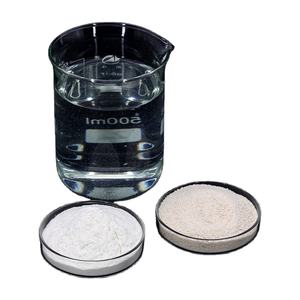
Admixtures are materials other than cement, water, and aggregates that are added to concrete before or during mixing to modify its properties. Also called concrete chemicals or cement admixtures, they come in liquid, powder, or granular forms. The term ‘ad mixtures’ (sometimes written as two words) is common but technically incorrect—industry standards use ‘admixtures.’
3. Major Types of Concrete Admixtures
Concrete admixture types fall into two broad categories: chemical and mineral. Chemical admixtures include superplasticizers, accelerators, retarders, and air-entraining agents. Mineral admixtures—like fly ash or silica fume—enhance long-term strength and durability. Let’s break down the most widely used varieties.
4. Water-Reducing Admixtures and Superplasticizers
Water reducing admixtures lower the water content needed for a given slump, boosting strength without sacrificing workability. Among these, superplasticizers (also called high-range water reducers) are game-changers. A superplasticizer in concrete can reduce water by 20–40%, enabling high-strength, self-consolidating mixes.
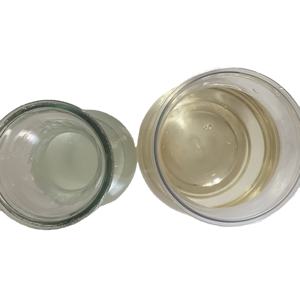
Super plasticizers like polycarboxylate ether (PCE) or naphthalene-based formulas are now industry staples. PCE superplasticizer offers superior slump retention and is ideal for precast or pumped concrete. When choosing the best superplasticizer for concrete, consider factors like compatibility with your cement and required setting time.
5. Setting Time Modifiers: Accelerators and Retarders
Need fast curing concrete additives for cold weather pours? Concrete accelerators shorten setting time and boost early strength—perfect for emergency repairs or winter work. On the flip side, a concrete retarder delays hydration, useful in hot climates or for complex placements. Surface retarder concrete products even allow decorative stamping by slowing surface set while the core hardens.
6. Air-Entraining Admixtures for Freeze-Thaw Resistance
Air entraining concrete contains microscopic air bubbles that act as pressure relief valves during freeze-thaw cycles. An air entraining admixture (or air entraining agent) introduces these bubbles, dramatically improving durability in cold regions. This is especially critical for roads, bridges, and outdoor slabs.
7. Waterproofing and Integral Protection
From basements to rooftops, waterproofing admixture for concrete prevents moisture intrusion at the source. Options include integral waterproofer systems, crystalline waterproofing admixture (which reacts with moisture to seal pores), and cement waterproofing additive blends. Unlike surface coatings, admixture waterproofing works throughout the matrix—making it a reliable ‘best admixture for concrete’ in wet environments.
8. Fiber Reinforcement: Beyond Steel Rebar
Fibers for concrete add tensile strength, crack resistance, and impact toughness. Common types include polypropylene fibres for concrete (great for slabs and shotcrete), steel fibers for concrete (used in industrial floors), and even coconut fiber reinforced concrete for sustainable builds. Fiber reinforced concrete is now standard in driveways, sidewalks, and siding.
Speaking of siding—concrete fiber siding (also called fibercement siding or concrete cement siding) mimics wood grain while offering fire and pest resistance. Brands like Hardie and CertainTeed dominate the market, with options ranging from modern concrete siding to cement siding that looks like wood. Home Depot concrete siding selections make it easy for homeowners to upgrade exteriors affordably.
9. Specialty Additives: Foaming Agents, Colorants, and Release Agents
Foaming agent for foam concrete creates lightweight cellular concrete (aircrete) used in blocks and insulation. CLC foaming agent price varies by type—protein-based vs. synthetic—but both yield strong, insulating structures.
For aesthetics, colored concrete relies on pigments and stamped concrete colors. Gray, charcoal, brown, red, and even blue stamped concrete patterns offer endless design flexibility. Use a concrete release agent—powder or spray—to prevent stamps from sticking without marring color.
White cement opens another creative avenue. Used in white concrete countertops, tiles, or decorative walls, white Portland cement delivers a clean, bright finish. Though pricier than gray cement, its versatility justifies the cost for many designers.
10. Choosing the Right Admixture
Selecting the best admixture for concrete depends on your project’s climate, structural demands, and aesthetic goals. Always check compatibility with your base materials and follow dosage guidelines. Leading brands like Chryso offer tailored solutions, from superplasticizer admixture to fiberfor concrete mixes.
11. Conclusion
Admixtures transform ordinary concrete into a high-performance, adaptable building material. Whether you’re using a concrete water reducer to boost strength, an air entraining cement for durability, or a waterproof admix for basement walls, these additives solve real problems on every job site. By understanding admixture types—from super plasticizers to fibers and foaming agents—you unlock smarter, longer-lasting construction with less waste and rework.
Our Website founded on October 17, 2012, is a high-tech enterprise committed to the research and development, production, processing, sales and technical services of ceramic relative materials such as Master. Our products includes but not limited to Boron Carbide Ceramic Products, Boron Nitride Ceramic Products, Silicon Carbide Ceramic Products, Silicon Nitride Ceramic Products, Zirconium Dioxide Ceramic Products, etc. If you are interested, please feel free to contact us.