Concrete-mesa | Concrete Admixtures, Tools, and Production Machines

10 Essential Types of Admixtures Every Concrete Pro Should Know in 2024
1. Introduction
Just 48 hours ago, global construction leaders at the World Concrete Summit highlighted a surge in demand for eco-friendly concrete admixtures—especially protein-based foaming agents and polycarboxylate ether (PCE) superplasticizers—as builders race to meet green infrastructure goals. This shift underscores how critical admixtures have become in modern concrete technology.
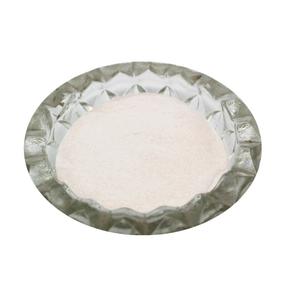
Whether you’re pouring a driveway, building high-rises, or installing fibercement siding, the right admixture can transform performance, durability, and aesthetics. Let’s break down the 10 essential types of admixtures used in concrete today.
2. What Are Admixtures?
Admixtures are chemical or mineral additives mixed into concrete before or during batching to modify its properties. Often called concrete additives or cement admixtures, they fine-tune workability, setting time, strength, and resistance to environmental stress.
Modern concrete simply wouldn’t meet today’s engineering demands without them. From skyscrapers to backyard patios, admixtures make concrete smarter, stronger, and more sustainable.
3. Water-Reducing Admixtures
3.1. Superplasticizers: The Game-Changer
Superplasticizer in concrete—also known as high-range water reducer—is arguably the most impactful admixture type. These include polycarboxylate ether (PCE), naphthalene-based, and melamine sulfonate superplasticizers.
They drastically reduce water content (by 15–40%) while maintaining flowability, leading to higher strength and lower permeability. PCE-based superplasticizers are now preferred for their low dosage, compatibility with modern cements, and minimal slump loss.
- Best superplasticizer for concrete: Polycarboxylate ether (PCE)
- Common names: Super plasticizers, concrete water reducer, superplasticizer admixture
3.2. Mid-Range Water Reducers
These offer moderate water reduction (5–15%) and improved finishability. Ideal for stamped concrete or colored concrete where workability matters but extreme strength isn’t required.
4. Set-Modifying Admixtures
4.1. Concrete Accelerators
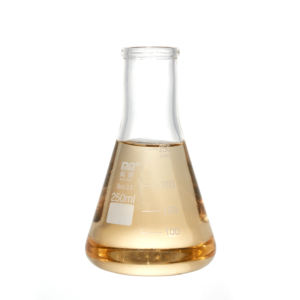
Accelerating admixtures for concrete shorten curing time—critical in cold weather or fast-track projects. They boost early strength development, allowing forms to be stripped sooner.
Popular options include calcium chloride (non-chloride versions for reinforced concrete) and proprietary blends like Chryso admixture lines.
4.2. Concrete Retarders
Concrete retarder admixtures delay setting—perfect for hot climates or long hauls. Surface retarder concrete is also used in exposed-aggregate finishes.
Admixture retarder types include sugars, lignosulfonates, and hydroxycarboxylic acids.
5. Air-Entraining Admixtures
Air entraining concrete contains microscopic air bubbles that improve freeze-thaw resistance. An air entraining agent (or air entraining admixture) introduces these bubbles during mixing.
Essential in northern climates, this admixture prevents cracking from ice expansion. Look for terms like air entraining cement or air entraining concrete when specifying materials.
6. Waterproofing Admixtures
6.1. Integral Waterproofers
An integral waterproofer becomes part of the concrete matrix, blocking capillary pores. Crystalline waterproofing admixture reacts with moisture to form insoluble crystals that self-seal cracks.
6.2. Cement Waterproofing Additives
These include hydrophobic chemicals and pore blockers. Waterproof admix or concrete waterproofing additive options are widely used in basements, tanks, and foundations.
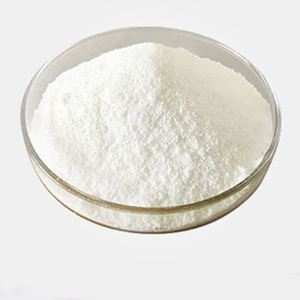
Don’t confuse them with surface sealers—these work from within.
7. Mineral Admixtures
Mineral admixture types like fly ash, slag, and silica fume enhance long-term strength and reduce heat of hydration. They’re also eco-friendly, repurposing industrial byproducts.
Often blended with chemical admixtures for optimal performance in mass pours or marine structures.
8. Fiber Reinforcement
Fibers for concrete add tensile strength, control cracking, and replace or supplement steel mesh. Options include:
- Polypropylene fibres for concrete (microfibers for plastic shrinkage control)
- Steel fibers for concrete (macro fibers for structural toughness)
- Coconut fiber reinforced concrete (emerging sustainable option)
Fiber reinforced concrete is now standard in industrial floors, tunnels, and even concrete siding. Fibercement siding—like Hardie or CertainTeed brands—uses cellulose or synthetic fibers for durability and wood-like appearance.
Note: Concrete fiber siding cost varies, but it’s prized for low maintenance and fire resistance.
9. Foaming Agents for Lightweight Concrete
Foaming agent used in foam concrete creates air voids, producing lightweight cellular concrete (CLC). Applications range from insulation blocks to void filling.
Recent trends favor protein-based foaming agent over synthetic types due to better stability and eco-profile. CLC foaming agent price remains competitive, especially for DIY builders using homemade foaming agent for concrete mixes.
10. Color and Release Agents
While not structural, these concrete chemicals enhance aesthetics. Colored concrete powder and stamp release agents (like powder release agent or spray release agent) enable stunning stamped concrete colors and patterns—from charcoal to terra cotta.
Use water-based release agent for easy cleanup and consistent coloring. Brands like Brickform Liquid Release dominate this niche.
11. Choosing the Best Admixture for Concrete
The best admixture for concrete depends on your project:
- Need flow? Go for superplasticizer admixture.
- Pouring in winter? Use concrete accelerator curing time enhancers.
- Building a basement? Specify waterproofing admixture for concrete.
- Want crack resistance? Add polypropylene fibre or steel fiber reinforced concrete.
Always consult technical data sheets and consider compatibility—especially when combining multiple concrete admixture types.
12. Conclusion
From superplasticizers to crystalline waterproofers and fiber reinforcement, admixtures are the unsung heroes of modern concrete. As sustainability and performance demands grow, so does innovation in concrete chemicals.
Whether you’re a contractor, architect, or DIYer, understanding admixture types ensures smarter, longer-lasting builds. And with new products like PCE superplasticizers and bio-based foaming agents hitting the market, the future of concrete has never looked brighter—or stronger.
Our Website founded on October 17, 2012, is a high-tech enterprise committed to the research and development, production, processing, sales and technical services of ceramic relative materials such as 10. Our products includes but not limited to Boron Carbide Ceramic Products, Boron Nitride Ceramic Products, Silicon Carbide Ceramic Products, Silicon Nitride Ceramic Products, Zirconium Dioxide Ceramic Products, etc. If you are interested, please feel free to contact us.