Concrete-mesa | Concrete Admixtures, Tools, and Production Machines

Admixtures Are Essential for Modern Concrete Performance and Versatility
1. Introduction
Concrete is the most widely used construction material globally, but its basic composition—cement, water, aggregates—often requires enhancement to meet performance demands. This is where admixtures come into play. Admixtures are materials added to concrete before or during mixing to modify its properties in both fresh and hardened states.
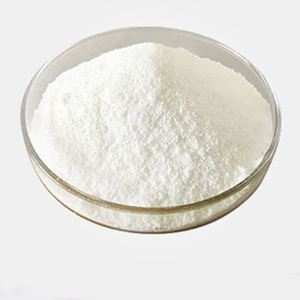
From improving flowability with superplasticizers to accelerating curing time with concrete accelerators, admixtures offer tailored solutions for diverse engineering challenges. Whether it’s achieving high-strength structural elements, decorative stamped surfaces, or weather-resistant facades like fibercement siding, the strategic use of admixtures is indispensable.
2. Understanding Admixtures in Concrete
Admixtures can be broadly classified into chemical and mineral types. Chemical admixtures include liquid or powder additives that influence setting time, workability, or durability. Mineral admixtures, such as fly ash or silica fume, are finely ground materials that enhance long-term strength and reduce permeability.
The selection of the best admixture for concrete depends on project requirements, environmental conditions, and desired outcomes. Common goals include reduced water content, controlled setting, improved finishability, or enhanced resistance to freeze-thaw cycles.
2.1 Water-Reducing Admixtures and Superplasticizers
Water reducing admixtures lower the water-cement ratio without compromising workability, leading to stronger, more durable concrete. Among these, superplasticizers—also known as high-range water reducers—are particularly effective.
Superplasticizer in concrete can reduce water content by up to 40%, enabling self-consolidating or high-performance mixes. Polycarboxylate ether (PCE)-based superplasticizers are now preferred over older naphthalene or melamine types due to their superior slump retention and compatibility.
- Polycarboxylate superplasticizer offers excellent dispersion of cement particles.
- Naphthalene sulfonate and melamine sulfonate superplasticizers remain in use for specific applications.
- Superplasticizer admixture is essential for producing white concrete countertops or architectural precast elements requiring smooth finishes.
2.2 Setting Time Modifiers: Accelerators and Retarders
Concrete accelerator admixtures shorten setting and curing time, crucial in cold weather or fast-track projects. Calcium chloride is a common accelerating admixture for concrete, though non-chloride alternatives are used to prevent corrosion in reinforced structures.
Conversely, concrete retarder admixtures delay hydration, beneficial in hot climates or for long-haul deliveries. Surface retarder concrete is also used in exposed-aggregate finishes to selectively delay surface setting.
Both admixture retarder and accelerator types fall under chemical admixture for concrete and must be dosed precisely to avoid adverse effects on strength development.
2.3 Air-Entraining and Waterproofing Additives
Air entraining concrete contains microscopic air bubbles introduced via air entraining admixture. These bubbles improve resistance to freeze-thaw damage and increase workability. An air entraining agent is especially vital in regions with harsh winters.
For moisture control, integral waterproofer and crystalline waterproofing admixture provide long-term protection. Waterproofing admixture for concrete reacts with cement to form insoluble crystals that block capillary pores.
- Cement waterproofing additive and concrete waterproof admix are often used in basements, tunnels, and water tanks.
- Admixture waterproofing eliminates the need for external membranes in many applications.
2.4 Fiber Reinforcement and Specialty Additives
Fibers for concrete—such as polypropylene, steel, or carbon—enhance tensile strength, crack resistance, and impact toughness. Fiber reinforced concrete is widely used in industrial floors, shotcrete, and seismic-resistant structures.
Macro fibers and microfibers serve different purposes: macro fibers act as secondary reinforcement, while microfibers control plastic shrinkage cracking. Coconut fiber reinforced concrete is an emerging sustainable option.
Fibermesh concrete and steel fiber reinforced concrete improve ductility without traditional rebar in certain applications. Home Depot and manufacturers like Hardie and CertainTeed offer concrete fiber siding products that mimic wood grain while offering fire and pest resistance.
2.5 Foaming Agents and Aesthetic Enhancements
Foaming agent for foam concrete enables lightweight cellular concrete (CLC) production. Protein-based and synthetic foaming agents create stable air voids, reducing density for insulation blocks or void filling.
For decorative concrete, colored concrete powders, stamp release agents, and tinted release sprays allow intricate patterns and hues—from charcoal stamped concrete to terra cotta finishes. Powder release agent for concrete ensures clean demolding without surface defects.
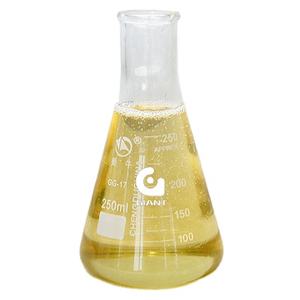
White cement, often used with superplasticizer for fluidity, enables bright, elegant finishes in countertops and facades. Its compatibility with concrete additives fiber and waterproof admix expands design possibilities.
3. Selecting the Right Admixture
Choosing the right admixture used in concrete involves evaluating compatibility, dosage, climate, and structural needs. Leading brands like Chryso offer engineered solutions for complex mixes.
Always consult technical data sheets and conduct trial batches. For instance, combining a superplasticizer with a concrete retarder may be necessary for long-distance pumping, while air entraining cement might conflict with certain waterproofing admixtures.
4. Conclusion
Admixtures have revolutionized concrete technology, transforming it from a basic building block into a high-performance, versatile material. Whether through super plasticizers that enable ultra-high-strength mixes, air entraining agents that ensure winter durability, or fibers that add resilience, these concrete chemicals address modern construction’s evolving demands.
As sustainability and efficiency drive innovation, the role of admixture types—from mineral admixture to advanced PCE-based superplasticizers—will only grow. Understanding and correctly applying these additives is key to achieving durable, aesthetic, and cost-effective concrete solutions.
Our Website founded on October 17, 2012, is a high-tech enterprise committed to the research and development, production, processing, sales and technical services of ceramic relative materials such as Admixtures. Our products includes but not limited to Boron Carbide Ceramic Products, Boron Nitride Ceramic Products, Silicon Carbide Ceramic Products, Silicon Nitride Ceramic Products, Zirconium Dioxide Ceramic Products, etc. If you are interested, please feel free to contact us.