Concrete4U | Concrete Admixtures, Tools, and Production Machines

What Are the Best Admixtures for Modern Concrete Projects?
1. Introduction
In a major development just 24 hours ago, global construction giant LafargeHolcim announced a strategic partnership with Chryso to integrate next-generation polycarboxylate ether (PCE) superplasticizers into its low-carbon concrete mixes across North America. This move highlights the growing industry shift toward high-performance, sustainable concrete admixtures that reduce water content while enhancing strength and durability. As climate resilience and efficiency become top priorities in construction, understanding the nuances of different admixtures is more critical than ever.
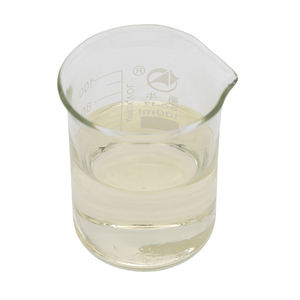
Concrete isn’t just cement, sand, and water anymore. Today’s high-performance structures rely heavily on carefully engineered concrete chemicals—collectively known as admixtures—to achieve everything from faster curing times to extreme weather resistance. Whether you’re pouring a driveway, building a skyscraper, or crafting decorative stamped concrete, the right admixture can make all the difference. But with so many options—from superplasticizers to fiber reinforcement and crystalline waterproofing—it’s easy to feel overwhelmed. Let’s break it down.
2. Understanding Admixture Types
Admixtures are categorized based on their primary function in the concrete mix. The American Concrete Institute (ACI) classifies them into chemical and mineral types, but for practical purposes, we group them by performance: water reducers, set modifiers, durability enhancers, and specialty additives. Each category serves distinct engineering goals, and often, multiple admixtures are used together to fine-tune concrete behavior.
3. Superplasticizers: The Game-Changer in Concrete Flow
When people ask for the best admixture for concrete in terms of workability and strength, superplasticizers usually top the list. These high-range water reducing admixtures drastically cut water content—by up to 40%—without sacrificing fluidity. This results in stronger, denser, and more durable concrete. Two dominant chemistries dominate the market: naphthalene-based superplasticizers and polycarboxylate ether (PCE) superplasticizers.
Naphthalene sulfonate formaldehyde condensates (SNF) were the industry standard for decades. They’re cost-effective and reliable for general-purpose use. However, they offer limited slump retention—meaning the concrete stiffens quickly—and aren’t ideal for long-haul deliveries or hot weather. In contrast, PCE-based superplasticizers provide superior flow retention, lower dosage requirements, and compatibility with supplementary cementitious materials like fly ash. That’s why modern projects, especially those using self-consolidating or high-strength concrete, increasingly favor PCE superplasticizer admixtures.
4. Set Modifiers: Accelerators vs. Retarders
Time is often the enemy—or ally—in concrete placement. Accelerating admixtures for concrete, such as calcium chloride or non-chloride alternatives, shorten setting time and boost early strength—critical for fast-track repairs or cold-weather pours. They directly impact concrete accelerator curing time, enabling formwork removal within hours instead of days.
On the flip side, concrete retarder admixtures delay hydration, which is essential in hot climates or for complex placements where extended workability is needed. Surface retarder concrete products are even used decoratively to expose aggregate in stamped finishes. Choosing between an admixture retarder and an accelerating admixtures for concrete depends entirely on ambient conditions and scheduling demands.
5. Air Entraining and Waterproofing Additives
For freeze-thaw resistance, air entraining admixture is non-negotiable in northern climates. These concrete additives introduce microscopic air bubbles that act as pressure relief valves when water freezes inside the pores. Air entraining concrete significantly improves longevity in bridges, pavements, and marine structures. Look for products labeled as air entraining agent or air entraining cement for reliable performance.
Meanwhile, waterproofing admixture solutions have evolved beyond surface sealers. Integral waterproofers like crystalline waterproofing admixture react with moisture and unhydrated cement to form insoluble crystals that block capillary pores permanently. Unlike topical coatings, these concrete waterproofing additives become part of the matrix—ideal for basements, tunnels, and water tanks. Brands like Chryso offer advanced cement waterproofing additive systems that meet stringent ASTM standards.
6. Fiber Reinforcement: Beyond Steel Rebar
Fiber reinforced concrete is revolutionizing structural design by improving crack control, impact resistance, and ductility. While steel fibers for concrete remain popular in industrial floors and shotcrete, synthetic options like polypropylene fibres for concrete are gaining traction in residential slabs and overlays due to corrosion resistance and ease of mixing.
Macro fibers, microfibers, and even natural variants like coconut fiber reinforced concrete serve different roles. Polypropylene fibre (PP fiber concrete) is commonly used as a secondary reinforcement to prevent plastic shrinkage cracks. For high-performance applications, carbon fiber reinforcement in concrete offers exceptional tensile strength, though at a premium cost. Whether you’re using fiber for concrete mix in sidewalks or fiber mesh concrete in precast panels, the key is matching fiber type and dosage to the structural requirement.
7. Specialty Additives: From Foaming Agents to Colorants
Beyond core performance, admixtures enable aesthetic and lightweight innovations. Concrete foaming agents—especially protein-based or synthetic CLC foaming agents—are essential for producing foam concrete and cellular lightweight blocks. Meanwhile, colored concrete relies on integral pigments and release agents like powder release agent for concrete to achieve realistic wood-look stamped finishes without paint.
Don’t overlook form release agents either. A quality concrete form release oil or water-based release agent ensures clean demolding and preserves intricate patterns in architectural concrete. And for homeowners exploring siding options, modern concrete siding—such as Hardie or CertainTeed fiber cement siding—uses specialized concrete additives fiber to mimic wood grain while offering fire and pest resistance.
8. Conclusion
Selecting the right admixture used in concrete isn’t about finding a single ‘best’ product—it’s about aligning chemistry with project goals. Whether you need a superplasticizer in concrete for high flow, an air entraining concrete mix for durability, or a crystalline waterproofing admixture for subterranean structures, today’s concrete chemicals offer unprecedented precision. As sustainability drives innovation—like LafargeHolcim’s new PCE integration—the future of concrete lies not just in what we build, but how we enhance it at the molecular level.
Our Website founded on October 17, 2012, is a high-tech enterprise committed to the research and development, production, processing, sales and technical services of ceramic relative materials such as What. Our products includes but not limited to Boron Carbide Ceramic Products, Boron Nitride Ceramic Products, Silicon Carbide Ceramic Products, Silicon Nitride Ceramic Products, Zirconium Dioxide Ceramic Products, etc. If you are interested, please feel free to contact us.