Concrete4U | Concrete Admixtures, Tools, and Production Machines

7 Must-Know Types of Concrete Admixtures: A Deep Dive into Superplasticizers, Waterproofers, Fibers, and More
1. Introduction
Just 24 hours ago, global construction giant LafargeHolcim announced a major partnership with Chryso to scale up low-carbon concrete formulations using next-gen polycarboxylate ether (PCE) superplasticizers—a move signaling how central modern admixtures are to sustainable infrastructure. As concrete demand surges worldwide, understanding the right admixture used in concrete isn’t just technical—it’s strategic.
Whether you’re pouring a driveway, building a high-rise, or crafting decorative stamped concrete, the performance, durability, and finish of your mix hinge on the concrete additives you choose. In this deep dive, we unpack seven essential admixture types, compare key variants, and reveal which options deliver the best results for specific scenarios.
2. Superplasticizers: The Powerhouses of Workability
Superplasticizers—also called high-range water reducers—are among the most transformative concrete chemicals available. They dramatically increase slump without adding water, enabling high-strength, self-consolidating concrete.
2.1. Polycarboxylate Ether (PCE) vs. Naphthalene-Based Superplasticizers
Polycarboxylate ether (PCE) superplasticizers represent the latest generation. With superior slump retention, lower dosage requirements (typically 0.1–0.3% by cement weight), and compatibility with supplementary cementitious materials, PCE-based admixtures dominate modern precast and ready-mix applications. They’re the go-to for ultra-high-performance concrete (UHPC).
In contrast, naphthalene-based superplasticizers (SNF) are older, less expensive, but suffer from faster slump loss and higher dosage needs (0.5–1.0%). While still used in some regions due to cost, they’re being phased out where precision and sustainability matter.
- PCE offers better control over setting time and reduced carbon footprint
- SNF may cause discoloration in white concrete or colored stamped concrete
3. Water Reducers and Retarders: Timing Is Everything
Not all projects need extreme fluidity. Mid-range water reducing admixtures improve workability moderately while cutting water content by 5–10%. These are ideal for standard slabs or footings.
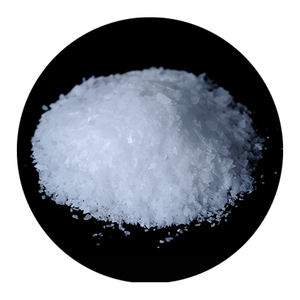
Meanwhile, concrete retarder admixtures delay hydration—critical in hot weather or for long hauls. Surface retarder concrete products even allow decorative stamping by keeping the surface plastic longer while the core sets.
Admixture retarders like gluconates or sugar derivatives must be dosed precisely; too much can stall curing entirely. Always pair with a concrete accelerator if temperature drops unexpectedly.
4. Accelerators and Fast-Curing Additives
Accelerating admixtures for concrete shorten initial set time and boost early strength—essential for cold-weather pours or rapid form turnover. Calcium chloride is common but corrosive to rebar; non-chloride alternatives (like nitrites or formates) are safer for reinforced concrete.
New fast curing concrete additives now integrate with smart sensors to optimize curing schedules, reducing project timelines by up to 30%.
5. Air Entraining and Waterproofing Solutions
Air entraining concrete contains microscopic air bubbles that improve freeze-thaw resistance. An air entraining admixture (often vinsol resin or synthetic surfactants) is mandatory in climates with winter cycles.
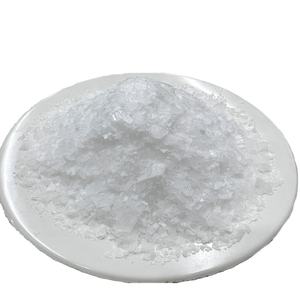
For moisture defense, two main paths exist: integral waterproofers and crystalline systems. Integral waterproofer admixtures (like stearates or silanes) repel water physically. Crystalline waterproofing admixture, however, reacts with cement to grow insoluble crystals that block capillaries permanently—ideal for basements or water tanks.
Note: Don’t confuse these with surface-applied sealers. True admixture waterproofing works from within the matrix.
6. Fiber Reinforcement: Beyond Steel Rebar
Fiber reinforced concrete uses discrete fibers to control cracking and boost toughness. Options include:
- Polypropylene fibres for concrete: cheap, effective against plastic shrinkage cracks
- Steel fibers for concrete: enhance post-crack load capacity (used in industrial floors)
- Carbon fiber reinforcement in concrete: emerging for seismic retrofitting
- Coconut fiber concrete: eco-friendly but limited to non-structural uses
Macro fibers (longer than 19mm) provide structural benefits, while microfibers (<6mm) tackle early-age cracking. Fibermesh concrete blends often combine both.
Despite trends in concrete fiber siding (like Hardie or CertainTeed products), remember: fiberfor concrete mix ≠ siding material. Siding is pre-manufactured; fibers in cast-in-place concrete serve mechanical roles.
7. Specialty Additives: Color, Release, and Foam
Colored concrete relies on iron oxide pigments mixed as concrete stain powder or colored concrete powder. For stamped concrete colors and patterns, a concrete release agent (powder or spray) prevents sticking to molds while adding accent hues.
On the lightweight side, foaming agents for foam concrete—especially protein-based or synthetic CLC foaming agents—create cellular concrete with densities as low as 300 kg/m³. Best foaming agent for aircrete balances stability and bubble uniformity.
White cement applications (e.g., countertops or architectural panels) often demand PCE superplasticizers to avoid yellowing—naphthalene types can compromise aesthetics.
8. Conclusion
Choosing the best admixture for concrete isn’t one-size-fits-all. Polycarboxylate superplasticizers lead in performance, crystalline systems win for permanent waterproofing, and polypropylene fibers offer cost-effective crack control. As innovations like Chryso’s low-carbon formulas hit the market, staying informed on admixture types ensures stronger, greener, and more durable builds. Always consult technical data sheets—and never guess on dosage.
Our Website founded on October 17, 2012, is a high-tech enterprise committed to the research and development, production, processing, sales and technical services of ceramic relative materials such as 7. Our products includes but not limited to Boron Carbide Ceramic Products, Boron Nitride Ceramic Products, Silicon Carbide Ceramic Products, Silicon Nitride Ceramic Products, Zirconium Dioxide Ceramic Products, etc. If you are interested, please feel free to contact us.